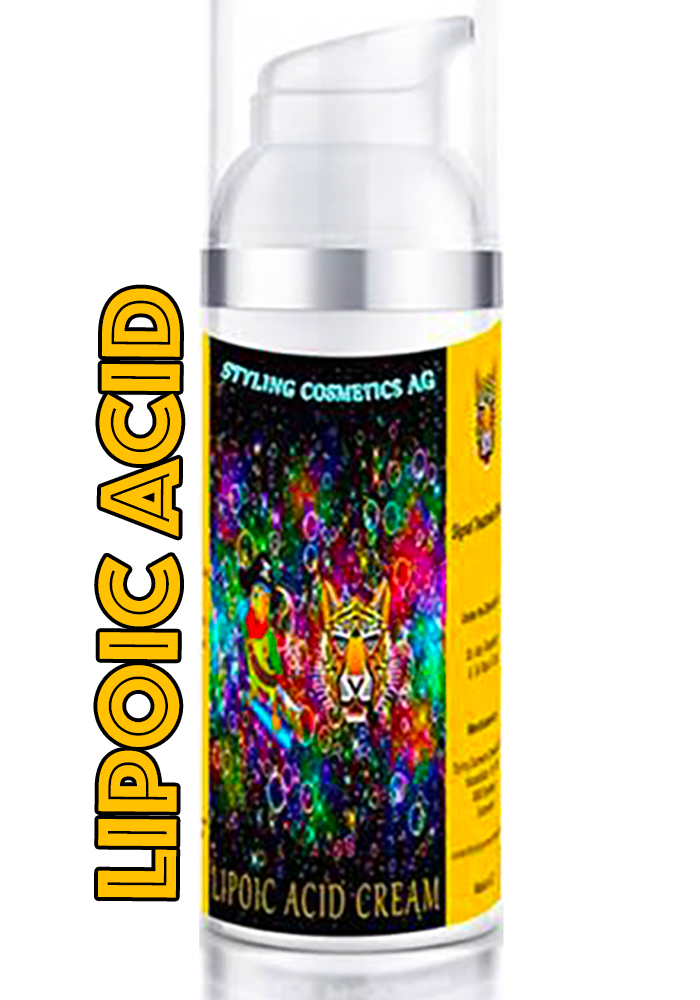
Lipoic Acid Cream
Superficial Lipid Barrier Strategy
Penetration-Facilitating Cosmetic Strategy

Lipoic Acid Cream

Facilitate · Penetration · Preserve

Lipoic Acid Cream occupies a specific functional position: it is designed to facilitate the penetration of other ingredients across the superficial lipid diffusion barrier while preserving its integrity.

Core Functional Identity Facilitates the passage of other ingredients across the superficial lipid diffusion barrier without requiring barrier injury.
Functional Target Superficial Lipid Diffusion Barrier
Strategy Facilitate Passage · Preserve Integrity
Penetration Facilitator Combination Logic Barrier Integrity
Not StretchPeel: Lipoic Acid Cream is positioned around penetration facilitation and barrier-preserving combination strategies — not around StretchPeel's depigmenting and UVA/UVB protective function.
Essential Product Identity

Lipoic Acid in 30 Seconds

The essential concept is simple: Lipoic Acid Cream facilitates the penetration of other ingredients across the superficial lipid diffusion barrier while preserving its integrity.

Facilitate Penetration Preserve
01
What Is It?

A Penetration-Facilitating Cream

A formulation with a specific role in facilitating the passage of other ingredients across the superficial lipid diffusion barrier.

02
What Does It Target?

The Superficial Lipid Diffusion Barrier

Its functional positioning concerns the superficial lipid barrier — the first diffusion interface encountered by topically applied ingredients.

03
Why Is It Different?

Passage Without Barrier Injury

The objective is not to obtain penetration by damaging the barrier, but to facilitate passage while preserving barrier integrity.

04
Why Combine It?

It Supports Other Ingredients

Its distinctive value appears particularly within combination strategies, where penetration of another ingredient is part of the intended protocol logic.

Functional Logic
Other Ingredients Topically Applied Ingredients
Functional Interface Superficial Lipid Diffusion Barrier
Lipoic Acid Strategy Facilitated Passage · Integrity Preserved
Lipoic Acid Cream FACILITATE · PENETRATION · PRESERVE

Penetration-facilitating strategy centered on passage across the superficial lipid diffusion barrier while preserving its integrity.

StretchPeel DEPIGMENT · PROTECT

A different functional category: depigmenting activity combined with alcohol-free UVA/UVB protection.

Remember Lipoic Acid Cream does not duplicate StretchPeel. Its defining role is to facilitate penetration within combination strategies while preserving the superficial lipid barrier.
Functional Positioning

Penetration Without Barrier Injury

Lipoic Acid Cream occupies a specific functional position within combination protocols: facilitating the penetration of other topically applied ingredients across the superficial lipid diffusion barrier while preserving barrier integrity.

Facilitate Penetration Preserve
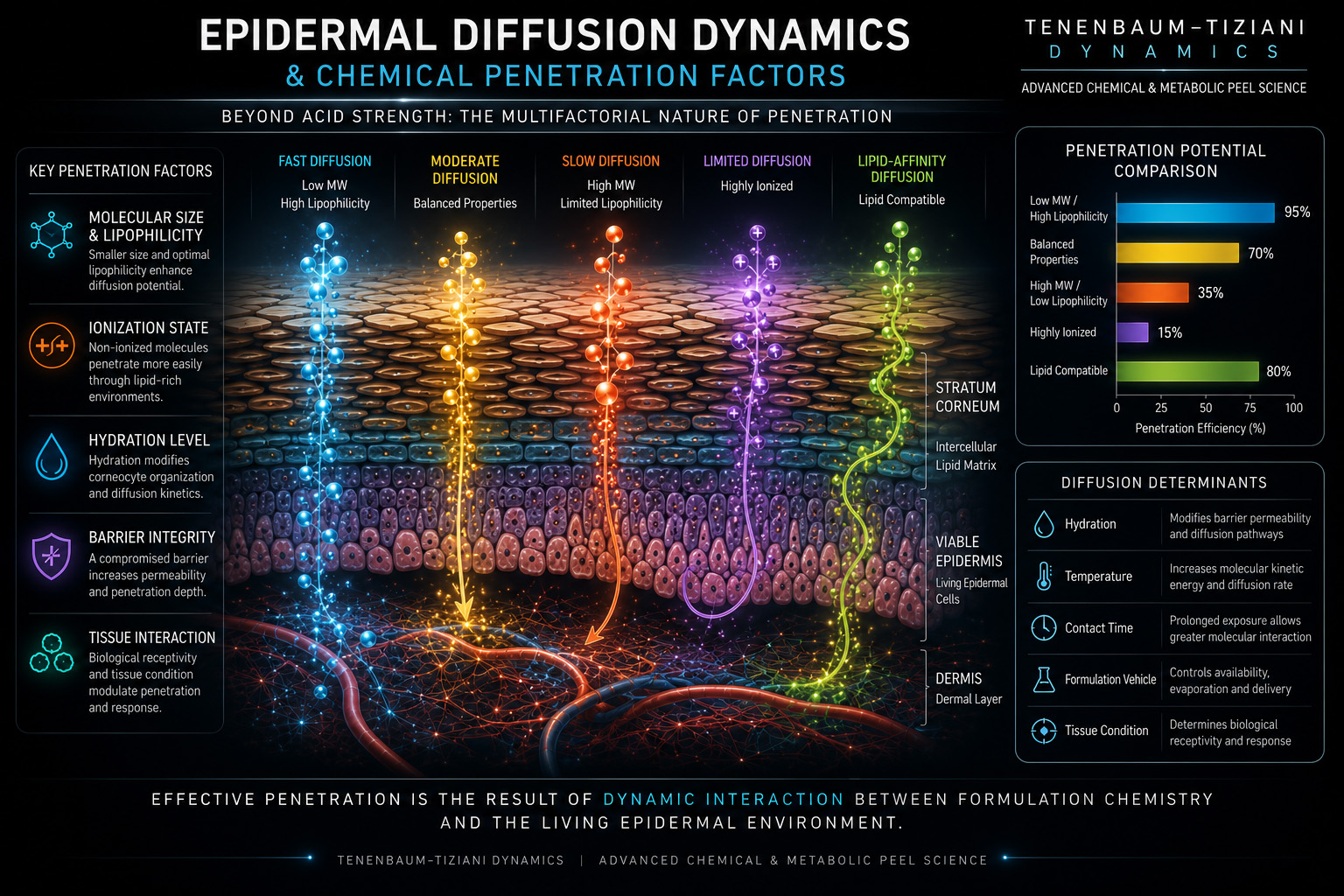
Epidermal diffusion dynamics and chemical penetration factors across the superficial lipid barrier
Epidermal Diffusion Dynamics · Chemical Penetration Factors
Biological Interface

The First Barrier Is a Diffusion Barrier

The superficial epidermal lipid architecture functions as a diffusion interface between a topical formulation and the underlying viable epidermis. Passage through this interface is not determined by concentration alone.

Molecular characteristics, formulation, vehicle behavior and the condition of the barrier contribute to the resulting penetration dynamics.

Functional Target Superficial Lipid Diffusion Barrier Facilitate passage through the interface — not destroy the interface in order to obtain passage.
Functional Model
01 · Protocol Input Topically Applied Ingredient

The selected ingredient begins at the cutaneous surface within its formulation and vehicle.

02 · Diffusion Interface Superficial Lipid Diffusion Barrier

The superficial lipid architecture represents a principal interface governing topical diffusion.

03 · Lipoic Strategy Facilitated Penetration

Passage of associated ingredients is facilitated while barrier preservation remains part of the strategy.

01

Facilitate

Lipoic Acid Cream is positioned as a penetration facilitator when another topically applied ingredient forms part of the selected combination strategy.

02

Penetration Is Dynamic

Topical penetration is not governed by concentration alone. Molecular properties, vehicle characteristics and the barrier environment influence diffusion behavior.

03

Preserve

The functional objective is not to obtain penetration through aggressive disruption. It is facilitated passage while preserving the integrity of the superficial barrier.

What It Is A Functional Partner in Combination Protocols

Its distinctive role becomes particularly relevant when another topical ingredient is part of the protocol and facilitating its penetration forms part of the intended treatment strategy.

What It Is Not A “Deeper Is Better” Strategy

The objective is not simply to produce deeper or more aggressive penetration. Its functional identity concerns how passage across the superficial diffusion barrier is managed.

Clinical Takeaway Lipoic Acid Cream = FACILITATE · PENETRATION · PRESERVE. Its defining role is to function as a penetration-enhancing partner within combination strategies, treating the superficial lipid diffusion barrier as an interface to be crossed while preserving its integrity.
Specific Indications

When to Choose Lipoic Acid Cream

Lipoic Acid Cream is particularly relevant when a protocol requires targeted topical support, management of persistent or congested areas, or a penetration-enhancing partner within a structured combination strategy.

Inflammatory-Prone Skin Seborrheic Skin Resistant Areas Combination Protocols
01
Clinical Indication

Acne-Prone Skin

Adjunctive topical care in acne-oriented protocols, particularly when papular inflammatory lesions remain clinically relevant during a sequential treatment strategy.

02
Clinical Indication

Seborrheic & Congested Skin

Useful where seborrheic skin presents congestion, irregular texture or localized treatment-resistant areas requiring a more targeted topical approach.

03
Localized Indication

Resistant Forehead & Temporal Areas

Particularly relevant when inflammatory or congested lesions persist in the forehead and temporal zones despite broader improvement elsewhere.

04
Protocol Integration

Post-Peel Adjunctive Step

May be incorporated after peel-off removal as a targeted adjunctive step when the protocol calls for localized topical management of persistent areas.

05
Combination Strategy

Penetration-Dependent Protocols

Especially relevant when another topical ingredient is intentionally combined with Lipoic Acid Cream and facilitated penetration across the superficial lipid diffusion barrier forms part of the protocol strategy.

06
Extended Application

Structured Corrective Protocols

Can be integrated into sequential professional strategies, including selected acne, exfoliative and stretch-mark protocols, when its specific functional role is clinically relevant.

Protocol Integration

Its Value Depends on Where It Is Placed in the Sequence

Lipoic Acid Cream should not be understood simply as another stand-alone cream. Its distinctive value becomes clearer when its function is considered within the sequence of a combination protocol.

Before Preparation Strategy

When a protocol is designed to prepare the skin for subsequent topical or exfoliative steps.

In Combination Penetration Strategy

When facilitating the penetration of another selected topical ingredient is part of the intended protocol logic.

After Targeted Adjunctive Step

When selected resistant or persistent areas require a localized adjunctive topical step.

!
Clinical Observation

Transient erythema may occur shortly after application. Its intensity and persistence should always be interpreted in the context of the individual skin response and the products used in combination.

Practical selection rule: choose Lipoic Acid Cream when its specific role — targeted topical support, management of resistant areas, or facilitated penetration within a combination strategy — adds a defined function to the protocol.
Clinical Documentation

Clinical Case — Papular Acne Management

Explore a documented acne-oriented protocol in which Lipoic Acid Cream was used as an adjunctive topical step following 30 Min Peel Off, with particular attention to persistent inflammatory papules and the subsequent clinical evolution.

Papular Acne 30 Min Peel Off Adjunctive Lipoic Acid
Clinical Evidence View Clinical Case Open the clinical cases documentation.
Clinical Positioning

Clear Positioning to Prevent Confusion

Lipoic Acid Cream has a specific role within a structured professional protocol. It should not be confused with a standalone peeling agent or with a strategy based on increasing chemical aggressiveness.

What It Is

A Protocol Partner

01
Penetration-Enhancing Partner

Used within selected combination protocols when facilitating the penetration of another topical ingredient forms part of the strategy.

02
Redox & Metabolic Support

Alpha-lipoic acid provides a distinct metabolic and redox dimension beyond conventional exfoliative positioning.

03
Combination-Protocol Adjunct

Its clinical value is determined by how and where it is integrated within a structured treatment sequence.

04
Targeted Clinical Tool

Can be incorporated into selected acne-oriented, resistant-area and stretch-mark strategies when clinically indicated.

What It Is Not

Not a Standalone Peel

01
Not a Standalone Peeling Agent

It is not positioned as a primary peeling agent intended to produce direct desquamation by itself.

02
Not an Aggressiveness Strategy

Its role is not to increase acid concentration or escalate procedural chemical intensity.

03
Not a Replacement for the Primary Peel

It does not replace the agent selected to determine the principal exfoliative action of a peeling protocol.

04
Not a “Deeper Is Better” Concept

Its functional positioning concerns controlled penetration and protocol design — not the pursuit of greater depth for its own sake.

Positioning Summary

Lipoic Acid Cream is a functional protocol partner, not an additional peeling agent. Its positioning combines penetration facilitation with metabolic support while keeping barrier preservation central to the strategy.

Facilitate · Penetration · Preserve
Technical Parameters

Clinical Parameters

A rapid technical snapshot of formulation, treatment areas, phototype compatibility and expected post-application profile.

Formulation Cream-Based

Topical formulation for structured professional protocols.

Downtime None

No planned procedural downtime with standard topical use.

Desquamation None

No intended exfoliative or desquamative endpoint.

Topographic Categories Treatment Areas
Face Body Neck Décolleté Periocular Hands
Phototypes Phototype Compatibility Broad phototype application
Skin phototype reference chart
Commercial Formulation · Ingredient Science

Ingredients: Why α-Lipoic Acid?

Lipoic Acid Cream combines α-lipoic acid as its defining functional ingredient with citric acid as a complementary formulation component. Their functions are distinct and should not be interpreted as those of two equivalent peeling acids.

Lipoic Acid Cream

Functional Ingredients in the Commercial Formulation

Primary Functional Ingredient

α-Lipoic Acid

α-Lipoic acid gives Lipoic Acid Cream its distinctive functional identity. Rather than being selected primarily to produce exfoliation or desquamation, it contributes a metabolic/redox dimension and is used within selected protocols for its penetration-enhancing role.

This makes it particularly relevant when Lipoic Acid Cream is intentionally combined with another topical ingredient whose passage across the superficial lipid diffusion barrier is part of the treatment strategy.

Special Function Acid Redox / Metabolic Penetration-Enhancing
Complementary Component

Citric Acid

Citric acid contributes to formulation pH control and to the physicochemical environment in which the topical formulation operates.

Its role is complementary to the defining functional role of α-lipoic acid within Lipoic Acid Cream.

pH Modulation Formulation Support
Why α-Lipoic Acid?

An Acid With a Different Functional Purpose

In the Tenenbaum–Tiziani functional model, α-lipoic acid is classified among Special Function Acids. Its role differs from that of acids selected primarily for exfoliation: its functional profile combines a metabolic/redox dimension with penetration-enhancing behavior.

Dimension 01 Redox-Active

Adds a redox-active functional dimension rather than acting solely through exfoliation.

Dimension 02 Metabolic

Provides a metabolic dimension distinct from conventional peeling-acid positioning.

Dimension 03 Penetration-Enhancing

Supports its use as a functional partner in selected topical combination strategies.

α-Lipoic Acid — Penetration Enhancement Across the Superficial Lipid Diffusion Barrier Comparative functional illustration of co-applied topical penetration with and without α-lipoic acid.
Ingredient Takeaway

α-Lipoic Acid defines the functional identity of Lipoic Acid Cream. Citric acid supports the formulation environment, while α-lipoic acid provides the distinctive metabolic/redox and penetration-oriented dimension that explains the cream's role within selected combination protocols: FACILITATE · PENETRATION · PRESERVE.

Enlarged scientific illustration of alpha-lipoic acid penetration enhancement across the superficial lipid diffusion barrier
Protocol Differentiation

Why Lipoic Acid Cream Has a Specific Role

Lipoic Acid Cream is not included in our peeling protocols simply as another acid or another cream. Its value comes from a distinct functional combination: α-lipoic acid, a cream vehicle and a defined penetration-oriented role within selected sequential and combination strategies.

The Practical Question Why not simply replace Lipoic Acid Cream with another peeling acid or another topical cream?
01

A Different Acid Function

α-Lipoic acid is used here as a Special Function Acid, not primarily as an exfoliative acid intended to produce desquamation.

02

Penetration-Oriented Role

The product is particularly relevant when the protocol requires facilitated penetration of another topically applied ingredient across the superficial lipid diffusion barrier.

03

Metabolic / Redox Dimension

α-Lipoic acid introduces a metabolic and redox-active dimension that distinguishes its functional positioning from conventional exfoliative acids.

04

Designed for Combination

Its clinical value depends on where and why it is placed in the sequence. It functions as a protocol partner rather than as a replacement for the primary peeling agent.

Scientific Principle Why Formulation Matters

The functional behavior of α-lipoic acid cannot be interpreted from concentration alone. Molecular properties, formulation, vehicle, tissue barrier and application conditions all participate in the final topical interaction. This is why the complete formulation and its place within the protocol matter.

Not the Objective Chemical Escalation

More concentration, more aggression or greater tissue injury simply to obtain a stronger effect.

Functional Strategy Controlled Protocol Integration

Select the appropriate molecule, formulation, combination and sequence for the intended function.

Clinical Takeaway

Lipoic Acid Cream occupies a specific place in our protocols because it combines penetration facilitation, a metabolic/redox dimension and formulation-dependent protocol integration without making increased chemical aggressiveness the therapeutic objective.

Combination & Sequencing

How to Combine Lipoic Acid Cream

The value of Lipoic Acid Cream depends on what is combined with it, why it is combined, and where it is placed in the sequence. Its penetration-enhancing role is not limited to another cream: in our clinical strategy it can be associated with corrective creams, liquid acids and gel-based acids.

Core Combination Principle
Different formulations. One specific penetration-enhancing function.

Lipoic Acid Cream is used as a functional partner when facilitated penetration of an associated topical formulation is part of the intended strategy. The partner may be a cream, a liquid acid or a gel-based acid formulation.

01 · Objective What are we trying to achieve?
02 · Partner Which topical formulation?
03 · Sequence Where does Lipoic fit?
04 · Timing Protocol-specific application
01 Hydration Strategy

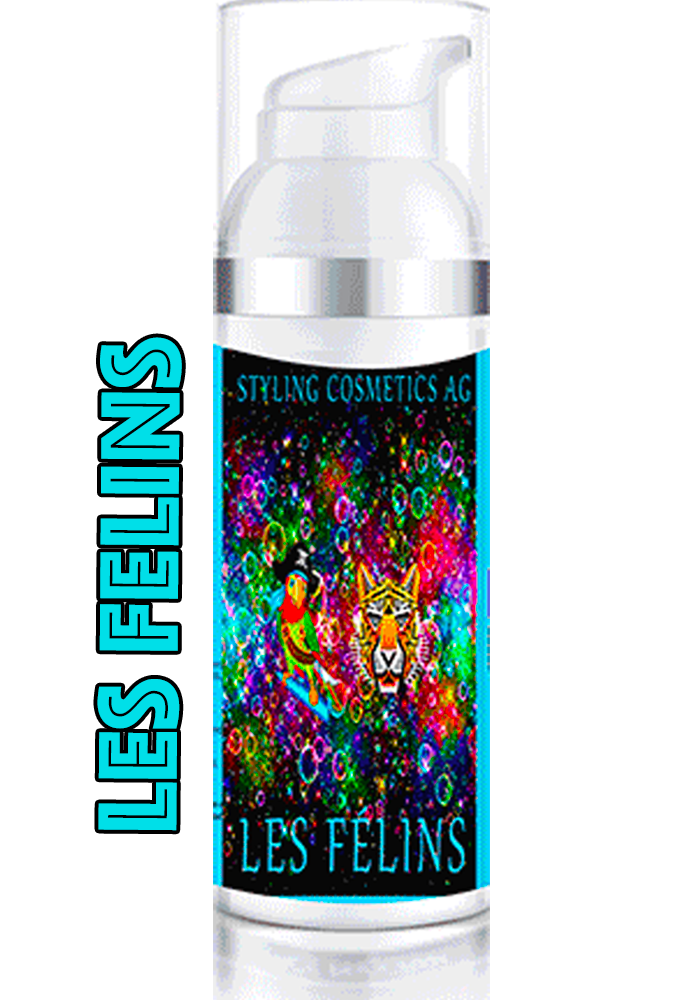
Les Félins + Lipoic Acid Cream

Les Félins may be associated with Lipoic Acid Cream when moisturizing support is required together with the penetration-oriented function of α-lipoic acid.

Hydration
Combination
+
Lipoic Acid Cream
Lipoic Acid Cream
Product Info →
Clinical Logic Combine rapid moisturizing support with the distinct penetration-enhancing role of Lipoic Acid Cream when clinically indicated.
02 Pigment Strategy

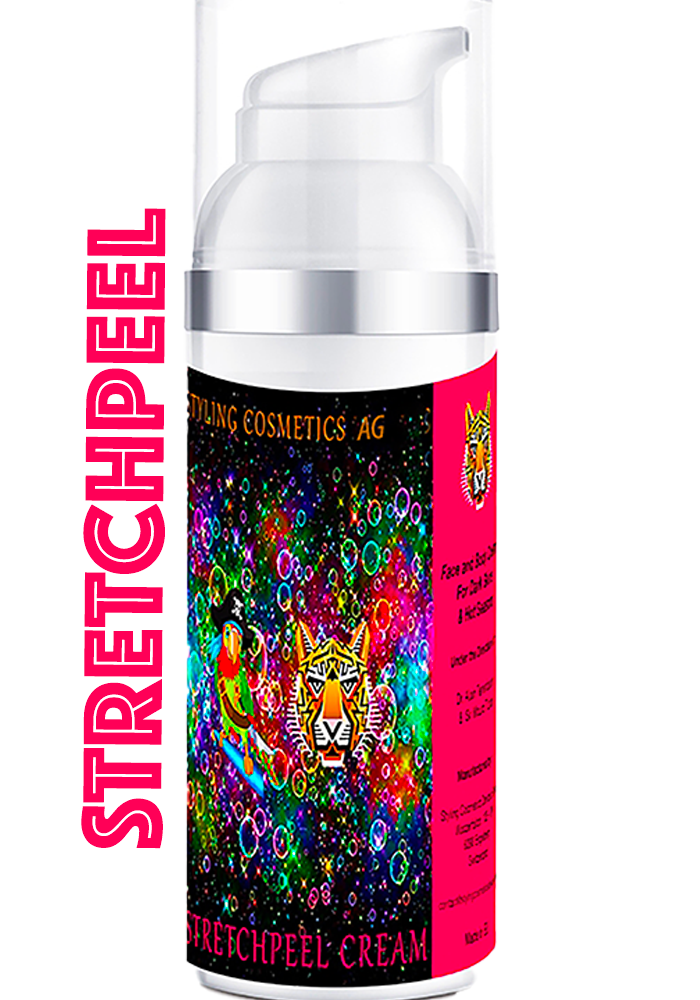
StretchPeel + Lipoic Acid Cream

A pigment-oriented association in which StretchPeel provides the depigmenting component while Lipoic Acid Cream contributes its penetration-enhancing function.

Pigment
Strategy
+
Lipoic Acid Cream
Lipoic Acid Cream
Product Info →
Clinical Logic StretchPeel remains the pigment-oriented product. Lipoic Acid Cream is incorporated for its penetration-enhancing function, rather than being presented as the depigmenting agent itself.
03 Corrective Penetration Strategy

Cream · Liquid Acid · Gel Acid

This is a central clinical function of Lipoic Acid Cream. The associated formulation does not have to be another cream. In our clinical strategy, Lipoic Acid Cream is also used as a penetration-enhancing partner with selected corrective creams, liquid acids and gel-based acids.

Key Functional
Strategy
Corrective Cream
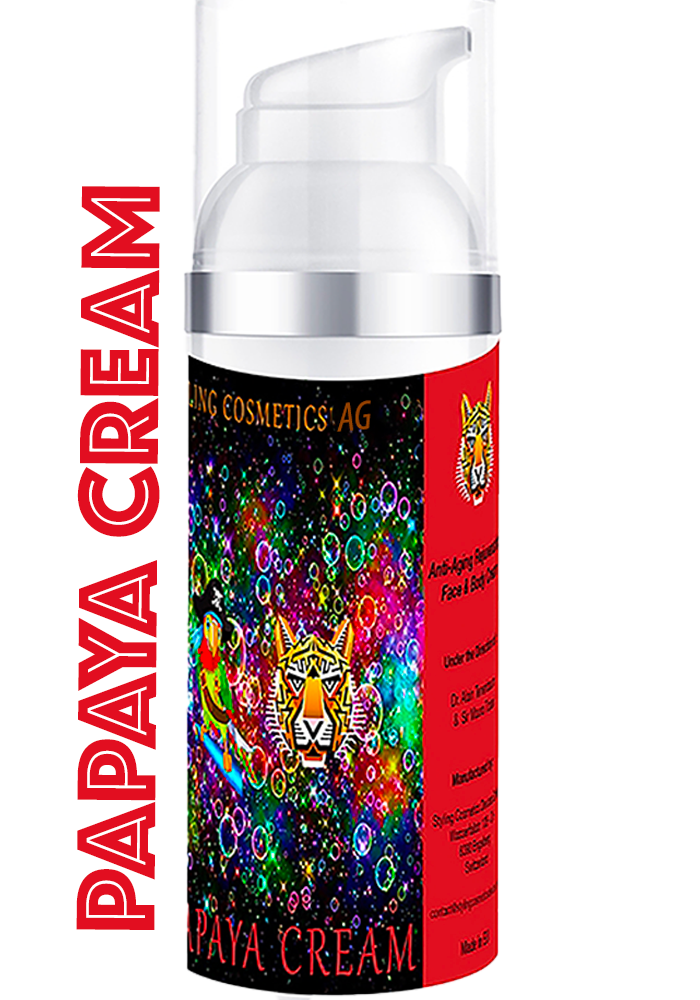
Papaya Cream

Papaya Cream

Glycolic-Like Clinical Strategy

Papaya Cream is used in our clinical strategy to obtain glycolic-like benefits without relying on glycolic acid itself.

Its association with Lipoic Acid Cream follows the same penetration-oriented logic used with acid formulations: the objective is to facilitate penetration of the corrective topical strategy without introducing glycolic acid as the direct treatment agent.

Product Info →
Liquid Acid
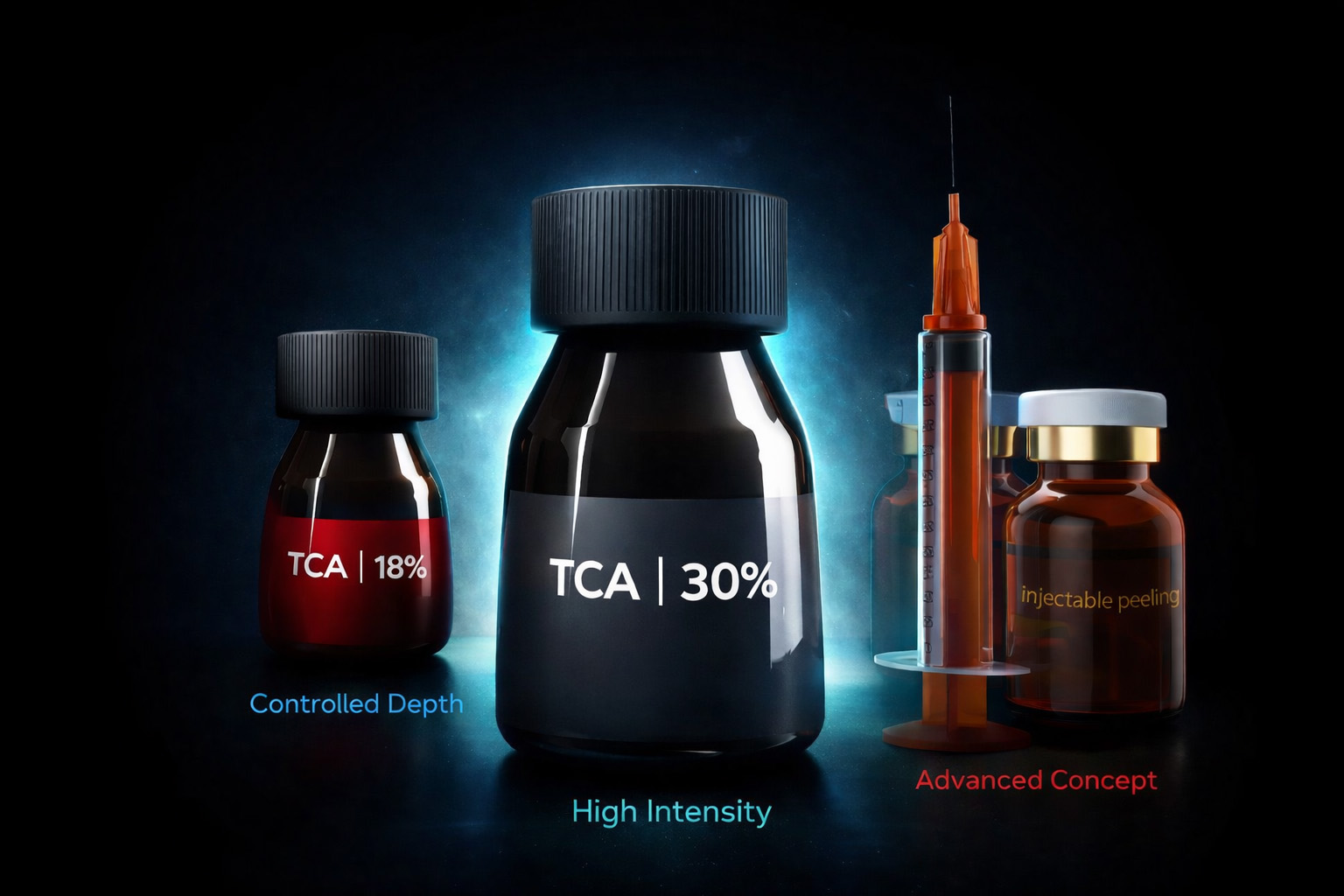
TCA clinical range

TCA

Professional Liquid Acid Strategy

Lipoic Acid Cream may be integrated with TCA liquid formulations when enhanced penetration is part of the intended professional treatment strategy.

TCA15 is linked below as a representative intermediate concentration, not as the sole concentration to which this penetration concept applies.

TCA15 Product Info →
Gel Acid
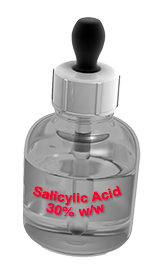
Salicylic Acid 30 percent

Salicylic Acid

Professional Gel Acid Strategy

The same penetration-enhancing principle can be applied to selected salicylic acid gel protocols, according to the indication and professional treatment strategy.

This demonstrates that the functional role of Lipoic Acid Cream is not restricted to liquid acids or cream-to-cream associations.

Product Info →
↓
Lipoic Acid Cream penetration-enhancing partner
Functional Constant

Lipoic Acid Cream

The associated formulation changes. The penetration-enhancing role of Lipoic Acid Cream remains the functional constant.

Product Info →
↓
Intended Functional Outcome Enhanced Penetration Across Different Formulation Types

Corrective Cream · Liquid Acid · Gel Acid
The penetration strategy is selected according to the clinical objective, formulation and treatment sequence.

Important — TCA Is Not Defined by Concentration Alone

TCA15 is shown here as a useful representative of an intermediate concentration. It should not be interpreted as defining the entire TCA strategy. Concentration is only one determinant of clinical behavior. Formulation, application conditions, tissue response, treatment endpoint and the complete protocol also contribute to the final clinical interaction.

Clinical Practice Observation Penetration enhancement is observed with more than one type of topical formulation.

In our clinical practice, Lipoic Acid Cream has been incorporated as a penetration-enhancing partner with corrective creams and selected acid formulations, including TCA and salicylic acid. This is a qualitative clinical observation and is not presented as a universal quantitative percentage increase in penetration.

Key Distinction The objective is not simply to use a stronger acid. It is to integrate the selected formulation with a penetration-enhancing partner when this function is clinically relevant. Acid selection, concentration, formulation, application and treatment endpoint remain protocol-specific.
04 Professional Sequence

Metabolic Peel + Lipoic Acid Cream

A structured professional sequence in which Lipoic Acid Cream follows the principal peeling procedure rather than functioning as the primary peeling agent.

Professional
Protocol
Professional procedure · sequence and timing remain indication-specific
→
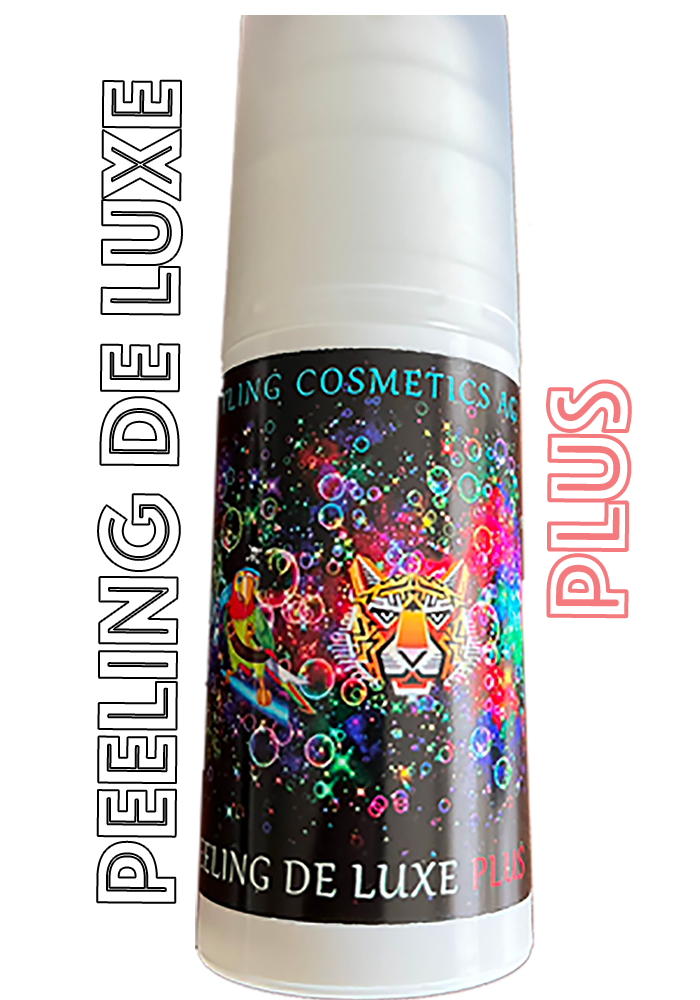
Peeling de Luxe Plus
Product Info →
→
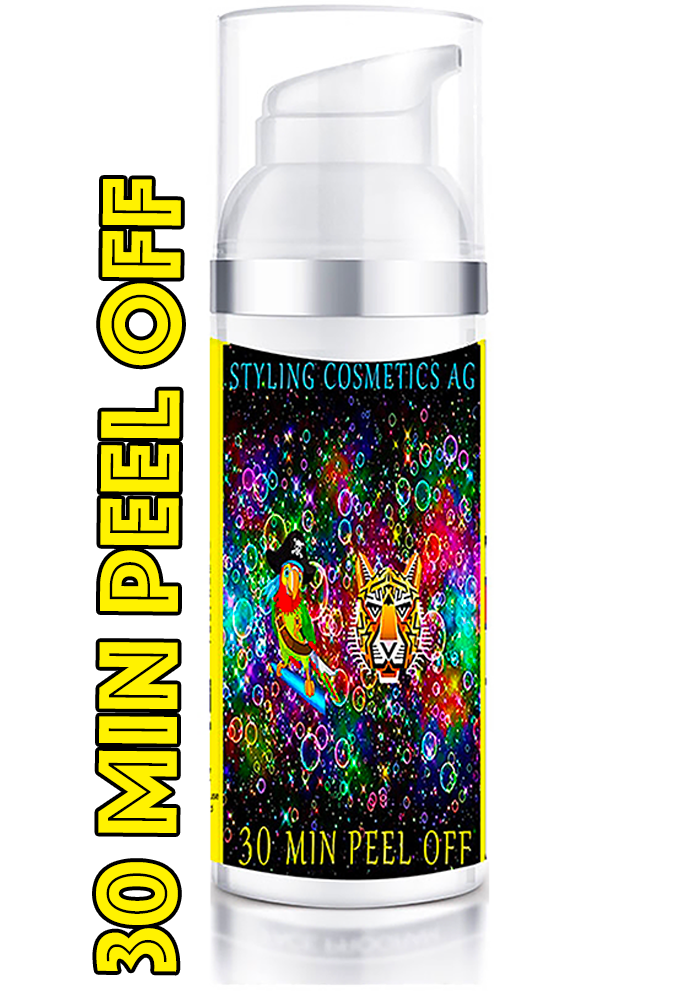
30 Min Peel Off
30 Min Peel Off
Product Info →
→
Lipoic Acid Cream
Lipoic Acid Cream
Product Info →
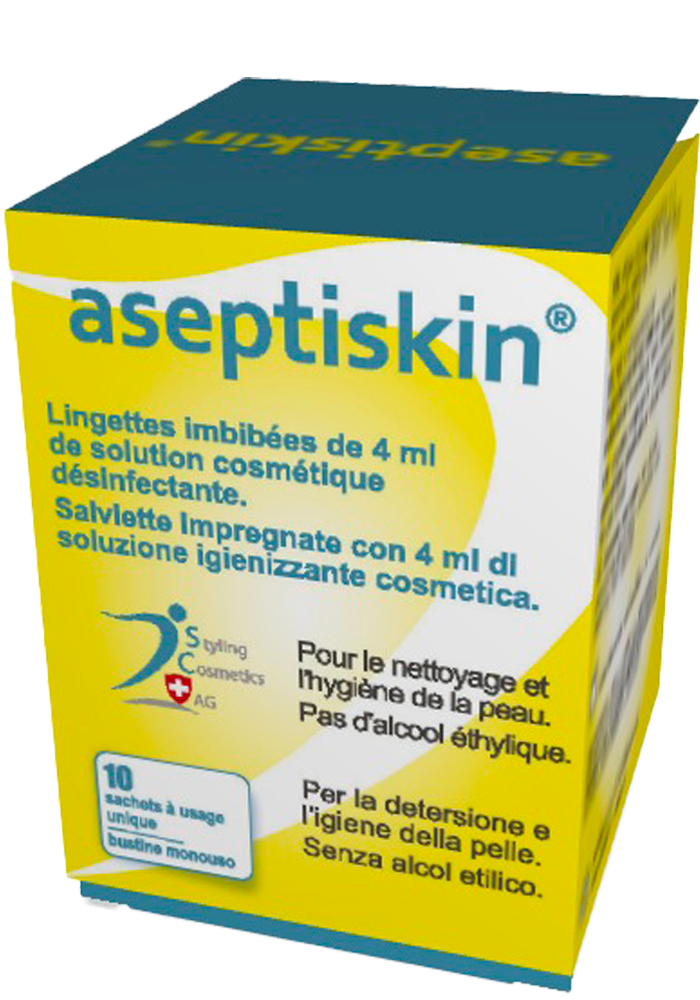
Example Sequence Aseptiskin → Peeling de Luxe Plus → 30 Min Peel Off → Lipoic Acid Cream . The exact professional timing is determined by the indication-specific protocol rather than by the commercial product name alone.
05 Preparation Strategy

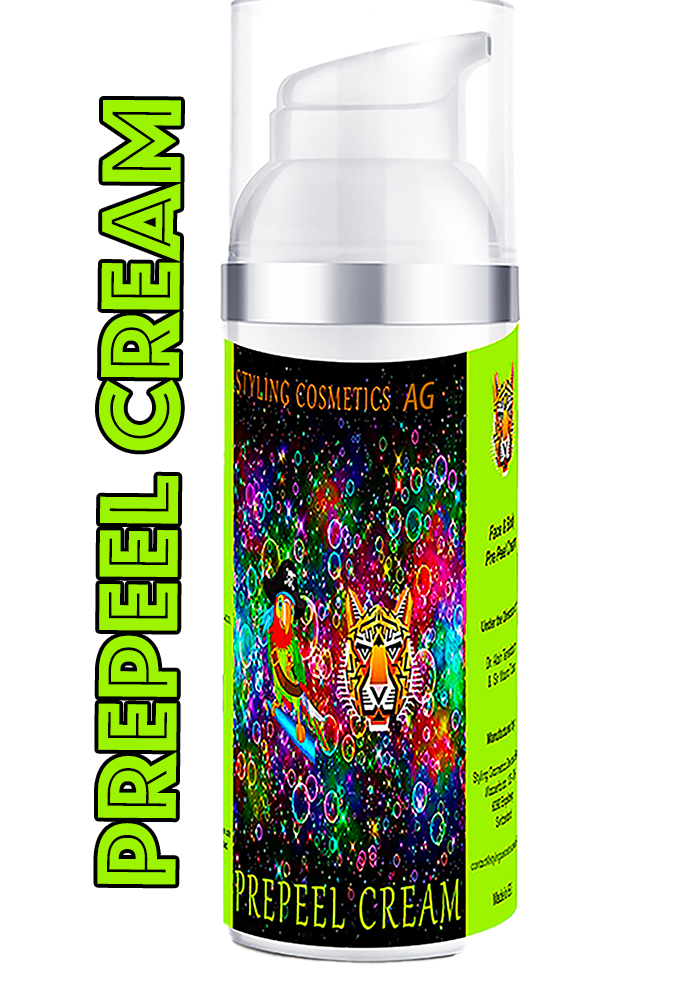
Aseptiskin + PrePeel + Lipoic Acid

A preparatory architecture used before selected corrective procedures, with each formulation occupying a distinct position in the treatment strategy.

Preparation
Strategy
Clinical Logic Lipoic Acid Cream is incorporated when its specific penetration-oriented and metabolic/redox function adds a defined role to the preparation strategy. Its frequency is determined by the selected protocol.
06 Post-Peel Strategy

Adapt Lipoic Acid to the Skin Response

Post-procedure sequencing is not identical for every skin. Moisturizing or recovery-focused care can accompany or precede Lipoic Acid Cream according to the observed post-peel response.

Response-Based
Sequencing
/
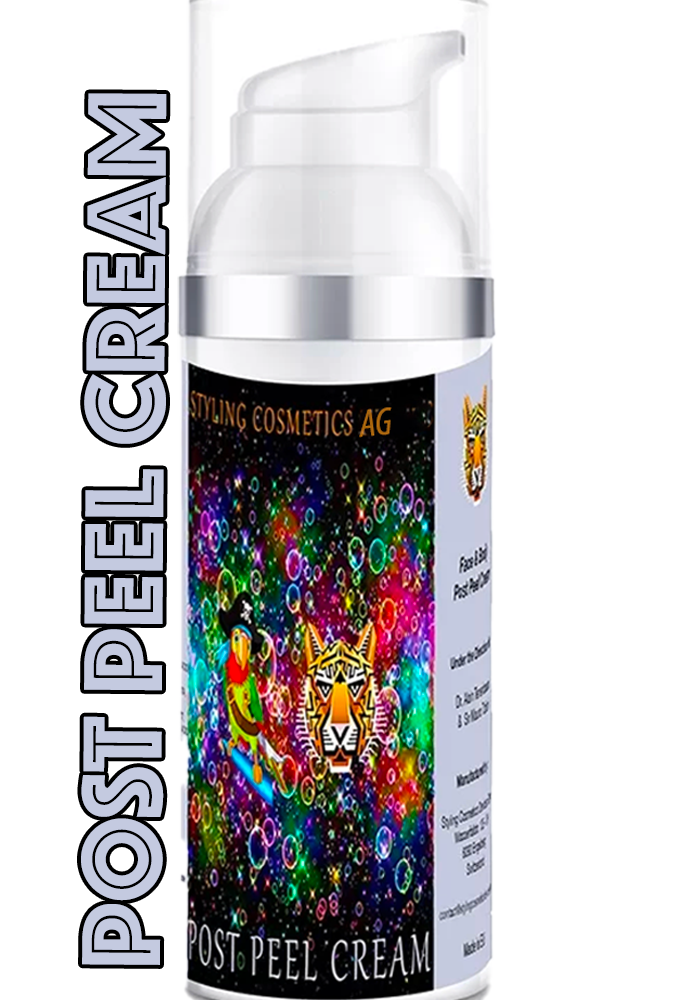
Post Peel Cream
Post Peel Cream
Product Info →
→
Lipoic Acid Cream
Lipoic Acid Cream
Product Info →
Hydration-Oriented Association

Les Félins + Lipoic Acid

Les Félins can provide moisturizing support while Lipoic Acid Cream supplies its specific functional role. The exact schedule follows the selected protocol.

More Reactive Skin

Recovery First — Then Reintroduce

In more reactive or barrier-fragile skin, Post Peel Cream can initially take priority. Lipoic Acid Cream is then reintroduced according to clinical response.

Very Reactive Skin First 48 Hours

Recovery-focused care may initially take priority.

Reintroduction Lipoic Acid at Night

Once tolerated, the documented post-peel strategy uses Lipoic Acid Cream in the evening.

Maintenance 2–3× Weekly

A possible documented maintenance rhythm after the initial post-peel period.

→
Practical Combination Rule Do not choose Lipoic Acid Cream by formulation type. Choose it by function.

Whether the associated product is Les Félins, StretchPeel, Papaya Cream, TCA, salicylic acid or another selected topical formulation, Lipoic Acid Cream is incorporated when its penetration-enhancing role adds a defined function to the protocol. FACILITATE · PENETRATION · PRESERVE.

Clinical Use & Practical Guidance

How to Use Lipoic Acid Cream

Lipoic Acid Cream does not occupy one fixed position in every treatment sequence. Its use is determined by the clinical objective, the associated formulation, the treatment sequence and the individual skin response.

01 Practical Integration

Before · With · After

Lipoic Acid Cream should not be reduced to a single universal application schedule. Depending on the protocol, it may be used during preparation, incorporated into a combination strategy, or introduced after a professional procedure.

Before

Preparation Strategy

Lipoic Acid Cream may be incorporated into a structured preparatory phase when its penetration-oriented and metabolic/redox function is relevant to the selected treatment strategy.

→
With

Combination Strategy

It may function as a penetration-enhancing partner for another selected topical formulation, including corrective creams and selected liquid or gel acid formulations.

→
After

Adjunctive Strategy

It may also be incorporated after selected professional procedures as an adjunctive topical step, according to the indication and observed skin response.

General Rule Protocol position is functional, not fixed. Product quantity, frequency and exact timing should therefore follow the indication-specific protocol rather than being extrapolated from one clinical example to every use.
02 Clinical Contexts

Where It Fits in Clinical Practice

The same formulation may serve different functions according to where it is placed in a structured treatment strategy. The objective is therefore to define its clinical role before defining its schedule.

01

Professional Procedure

Integrated into selected in-office protocols when penetration enhancement or adjunctive topical management forms part of the professional treatment sequence.

02

Supervised Preparation

May be incorporated into a professionally defined preparatory strategy before selected corrective procedures. The duration and frequency remain protocol-specific.

03

Post-Procedure & Combination Care

May be combined with selected topical products or introduced after a procedure when its specific functional role is clinically relevant and compatible with the observed skin response.

03 Scientific Interpretation

Penetration Is Not the Same as Depth

One of the most important distinctions in interpreting topical acid strategies is that concentration, penetration, biological response and clinical depth are related — but they are not synonyms.

Concentration
≠
Penetration
≠
Biological Response
≠
Clinical Depth
Penetration Is Not the Same as Depth Concentration, penetration, biological response and clinical depth are related parameters, but they should not be interpreted as interchangeable concepts.
Enlarged scientific infographic showing concentration, penetration, biological response and clinical depth
What Lipoic Acid Changes The Penetration Strategy

Lipoic Acid Cream is primarily incorporated for its penetration-enhancing function within selected combination strategies. Concentration alone does not describe this interaction.

What Should Not Be Assumed Enhanced Penetration ≠ Automatically a Deeper Peel

Facilitated penetration should not automatically be translated into a specific histological depth. Biological response and the final clinical effect depend on the complete formulation and treatment protocol.

04 Practical Decision Rule

Define the Function Before Escalating the Protocol

When greater topical penetration is desired, the clinical question should not automatically become “How can I increase the acid concentration?” The first step is to determine what function is actually needed.

Ask First Do I need more acid — or do I need a better penetration strategy?
01 Define the Objective What clinical function is required?
02 Select the Partner Cream, liquid acid, gel acid or another selected topical.
03 Determine the Sequence Before, in combination or after the procedure.
04 Observe the Response Adapt the strategy to the individual clinical response.
→
Clinical Takeaway Lipoic Acid Cream is positioned by function, not by a fixed place in every protocol.

Use it when its penetration-enhancing and metabolic/redox characteristics add a defined function to the selected strategy. Determine the partner, sequence and timing according to the indication and individual skin response. FACILITATE · PENETRATION · PRESERVE.

Clinical FAQ

Frequently Asked Questions

Quick answers on the functional positioning, combinations, penetration strategy and practical integration of Lipoic Acid Cream.

Positioning Penetration Acid Combinations Pigmentation Sequencing Clinical Use
01 Is Lipoic Acid Cream a peeling agent?

No. Lipoic Acid Cream is not positioned as a standalone peeling agent intended to produce direct exfoliation or desquamation by itself. Its defining role is as a functional protocol partner, particularly when penetration enhancement and the metabolic/redox characteristics of α-lipoic acid are relevant to the selected strategy.

Not a standalone peel Protocol partner α-Lipoic Acid
02 What is its primary role in a protocol?

Its principal functional role is to act as a penetration-enhancing partner within selected combination strategies. It is used when facilitating the passage of an associated topical formulation across the superficial lipid diffusion barrier forms part of the intended protocol.

The objective is to facilitate passage while preserving the barrier as a functional interface, rather than treating barrier injury as the mechanism required to obtain penetration.

Facilitate Penetration Preserve
03 Does enhanced penetration mean a deeper peel?

No — not automatically. Penetration and clinical depth are related concepts, but they are not interchangeable.

Concentration ≠ Penetration ≠ Biological Response ≠ Clinical Depth. Lipoic Acid Cream is used primarily to modify the penetration strategy. Facilitated penetration should therefore not automatically be interpreted as a histologically deeper peel.

Penetration ≠ Depth Biological Response Clinical Interpretation
04 Can it be combined with TCA or salicylic acid?

Yes, within selected professional protocols. In our clinical practice, Lipoic Acid Cream has been used as a penetration-enhancing partner with liquid acid formulations such as TCA and gel formulations such as salicylic acid.

The acid concentration, formulation, sequence, application conditions and intended treatment endpoint remain protocol-specific. The purpose is not simply to make the acid “stronger,” but to use penetration as a defined component of the treatment strategy.

TCA Salicylic Acid Professional Protocol
05 Can it be combined with Papaya Cream?

Yes. In our clinical strategy, Papaya Cream is used to provide glycolic-like benefits without relying on glycolic acid itself.

Its association with Lipoic Acid Cream follows a penetration-oriented combination strategy: Papaya Cream provides the selected corrective approach, while Lipoic Acid Cream acts as the penetration-enhancing partner.

Papaya Cream Glycolic-Like Strategy Combination
06 Can it be used in pigmentation strategies?

Yes, as part of an appropriate combination strategy. For example, Lipoic Acid Cream may be associated with StretchPeel when penetration enhancement forms part of a pigment-oriented protocol.

The distinction is important: StretchPeel provides the pigment-oriented component, while Lipoic Acid Cream contributes its penetration-enhancing function. Lipoic Acid Cream should not therefore be presented as the primary depigmenting agent in this association.

StretchPeel Pigment Strategy Penetration Support
07 When should it be used — before, with or after a procedure?

Potentially all three, depending on the protocol. Lipoic Acid Cream does not occupy one universal position in every treatment sequence.

It may be incorporated before a procedure as part of preparation, used with another selected topical formulation in a combination strategy, or introduced after a professional procedure as an adjunctive topical step when clinically indicated.

Exact frequency, quantity and timing should follow the indication-specific protocol rather than being extrapolated from one example to every use.

Before With After
08 Is Lipoic Acid Cream only for professional use?

Its use depends on the clinical context. Lipoic Acid Cream can form part of professionally performed procedures, supervised preparation, combination strategies and selected post-procedure routines.

When acid formulations such as TCA or salicylic acid are involved, their use belongs to the appropriate professional protocol. Home application of Lipoic Acid Cream should follow the specific instructions associated with the selected treatment strategy rather than an assumed universal schedule.

Professional Supervised Preparation Protocol-Specific
i
Clinical Interpretation The formulation is selected by function — not by a universal schedule or a “deeper is better” principle.

Partner selection, acid concentration, sequence, application conditions and treatment endpoint remain specific to the clinical strategy and individual response.

The practical identity of Lipoic Acid Cream remains: FACILITATE · PENETRATION · PRESERVE.
Lipoic Acid Cream

Integrate It Into Your Protocol

A functional protocol partner combining the penetration-enhancing role of α-lipoic acid with its metabolic/redox dimension for selected combination and sequential strategies.

Facilitate Penetration Preserve
Purchase Lipoic Acid Cream →
Access product information, availability and ordering.
Swiss Made
Swiss Made
Top Quality
Top Quality
✓

Secure Checkout

Secure online order processing through the chemicalpeeling.com purchasing system.

◇

Structured Protocol Use

Designed for integration into defined preparation, combination and post-procedure strategies according to the selected protocol.

?

Support & Guidance

Protocol questions can be addressed through our clinical and product support resources.

Lipoic Acid Cream should be integrated according to the clinical objective, selected partner formulation, sequencing and individual skin response.

Share this page with your network