The Science of Chemical Peels
The main scientific entry page defining the conceptual field, introducing the interaction between chemistry and biological response, and framing peeling as a structured medical-aesthetic intervention.
Read article →
A chemical peel should not be reduced to the simplistic idea of surface exfoliation. It is a targeted intervention in which a given chemical agent, placed under specific clinical conditions, initiates a biological response that depends on concentration, vehicle, tissue context, indication, and functional tissue behavior.
The main scientific entry page defining the conceptual field, introducing the interaction between chemistry and biological response, and framing peeling as a structured medical-aesthetic intervention.
A more detailed reading of keratoregulation, epidermal turnover, signaling cascades, controlled stimulation and the tissue logic that underlies visible clinical outcomes.
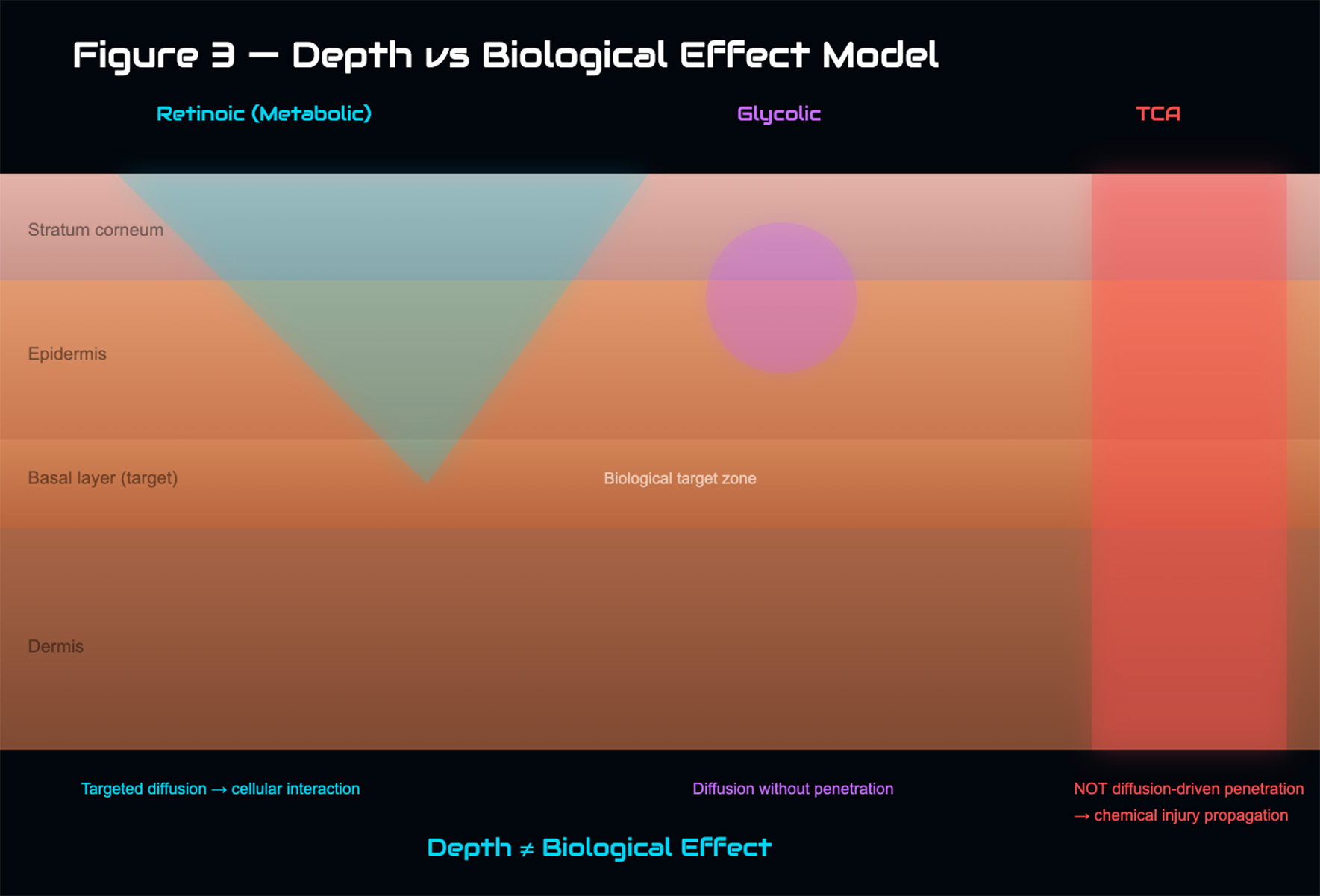
A signature interpretative model proposing that peel depth must be understood in relation to function, chemistry, indication, and biological consequence rather than morphology alone.
A broader interpretation of photoprotection focused on tissue defense, metabolic support, biological resilience, and the limits of purely simplified SPF-centered narratives.
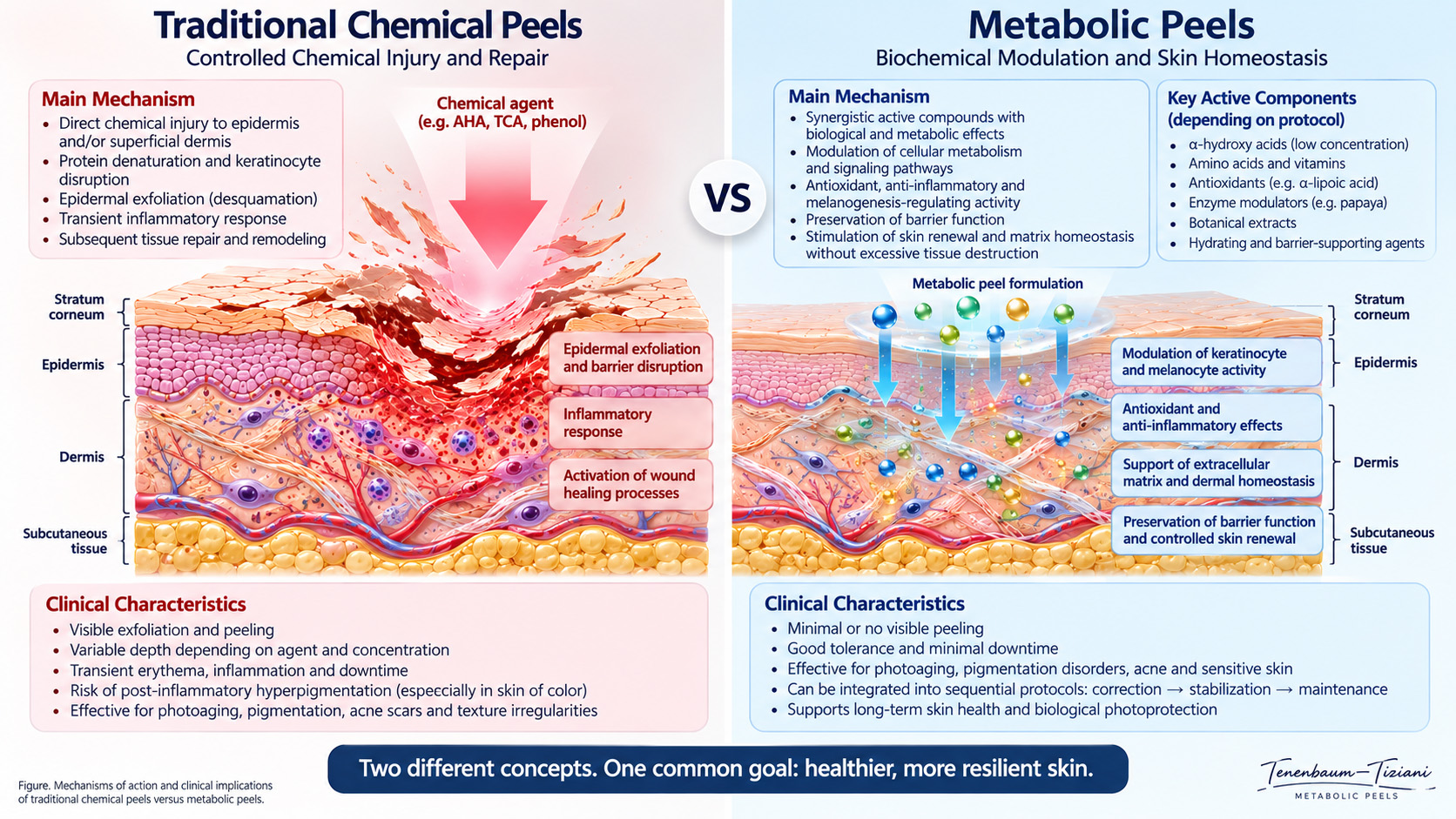
One of the main differentiators of this platform is the idea that some peel approaches must be read not merely as caustic events, but as controlled biochemical and metabolic interventions that orient renewal, function, and tissue quality more precisely.
The central technical page of the metabolic peel concept. It explains the rationale, identity, and scientific logic of a technique positioned beyond ordinary exfoliative reductionism.
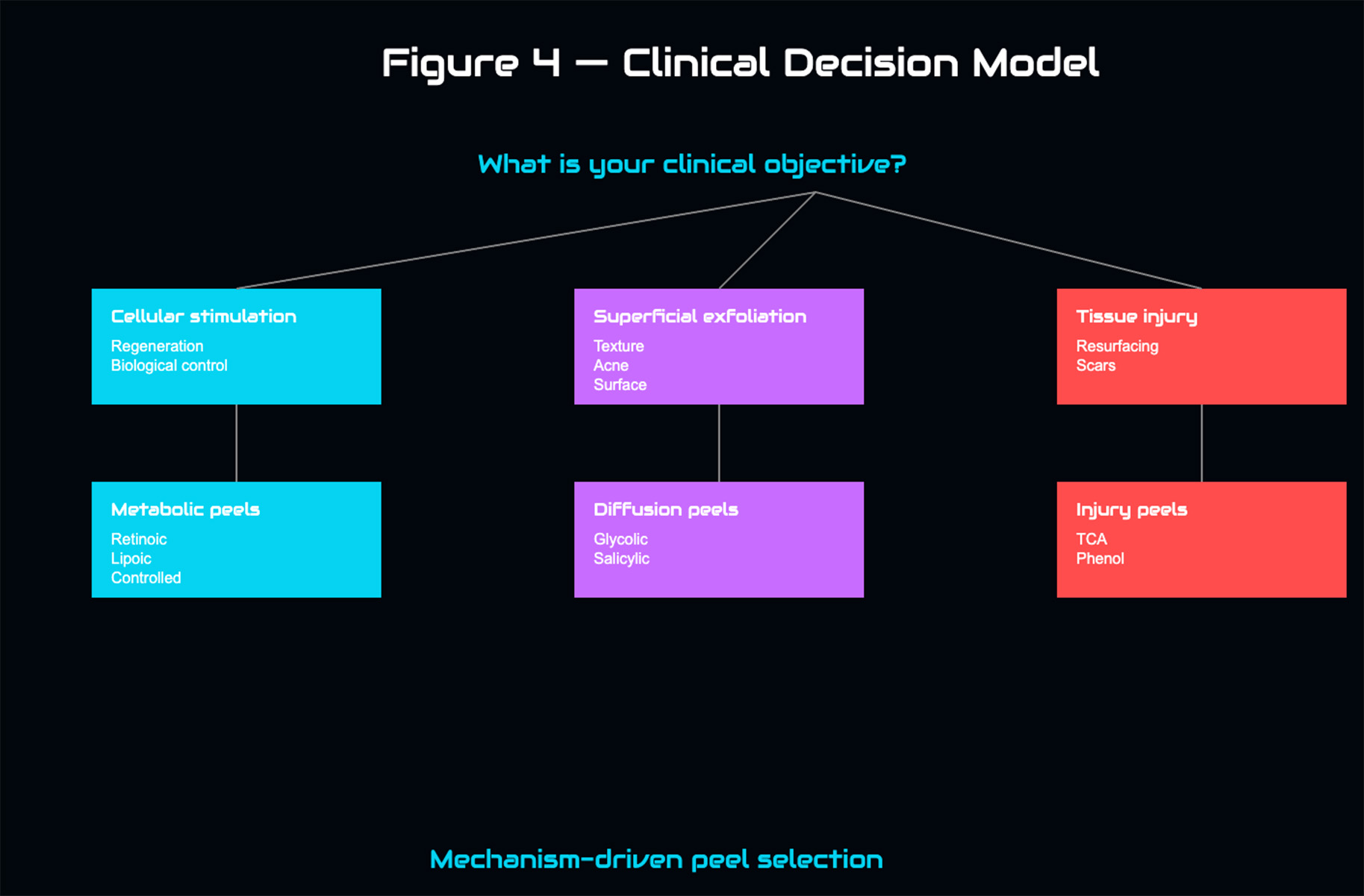
This page links theory to practice by showing how the functional depth model can orient indication analysis, strategic product selection, and more precise protocol interpretation.
Comparative reading is essential because similar labels may hide profoundly different chemical behaviors and clinical consequences. Acid family, vehicle, formulation, indication, and tissue context all influence outcomes more than simplified typologies suggest.
A comparative reading of major depth classification systems, with emphasis on their limits when function, chemistry, and indication-related variability are taken into account.
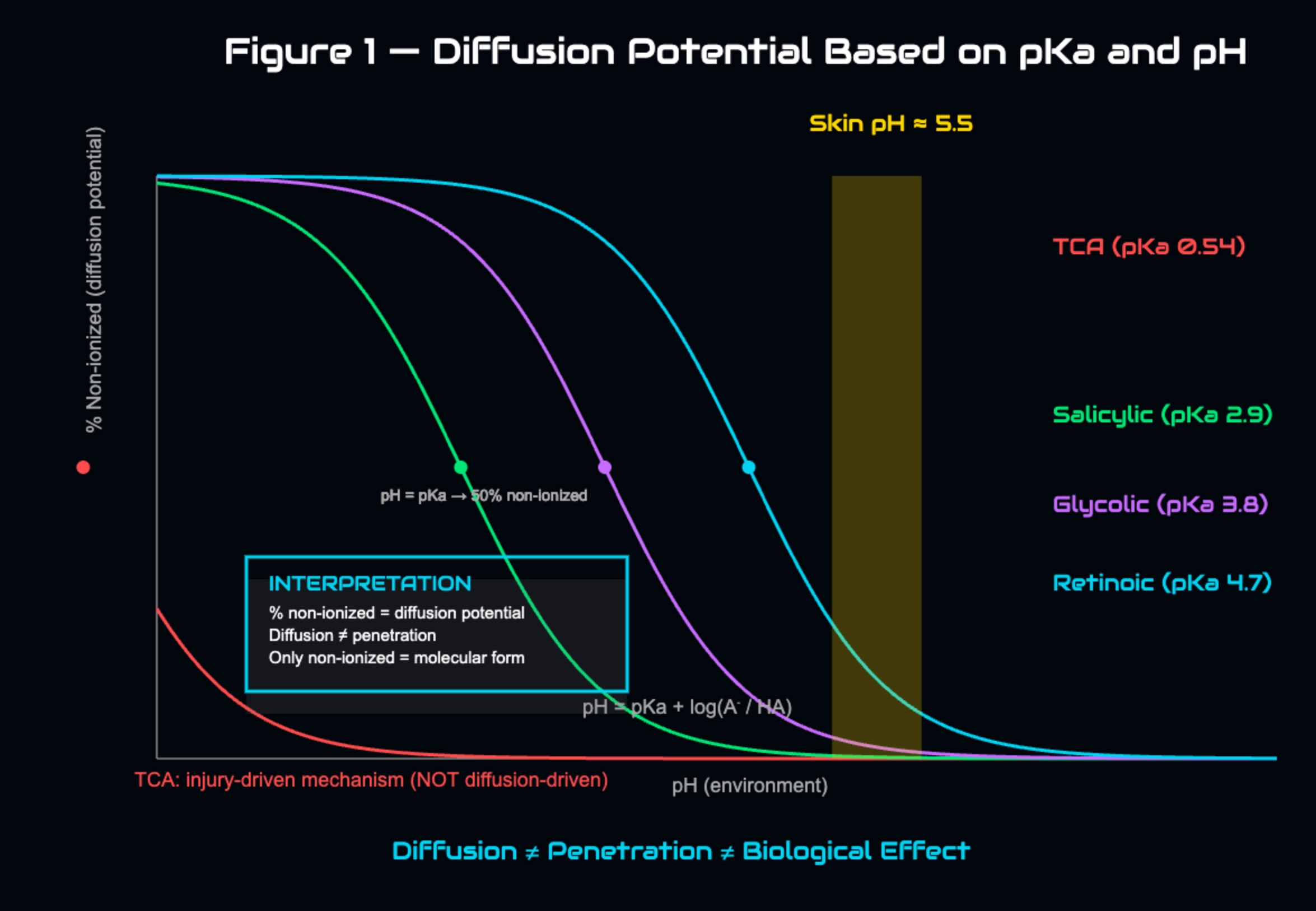
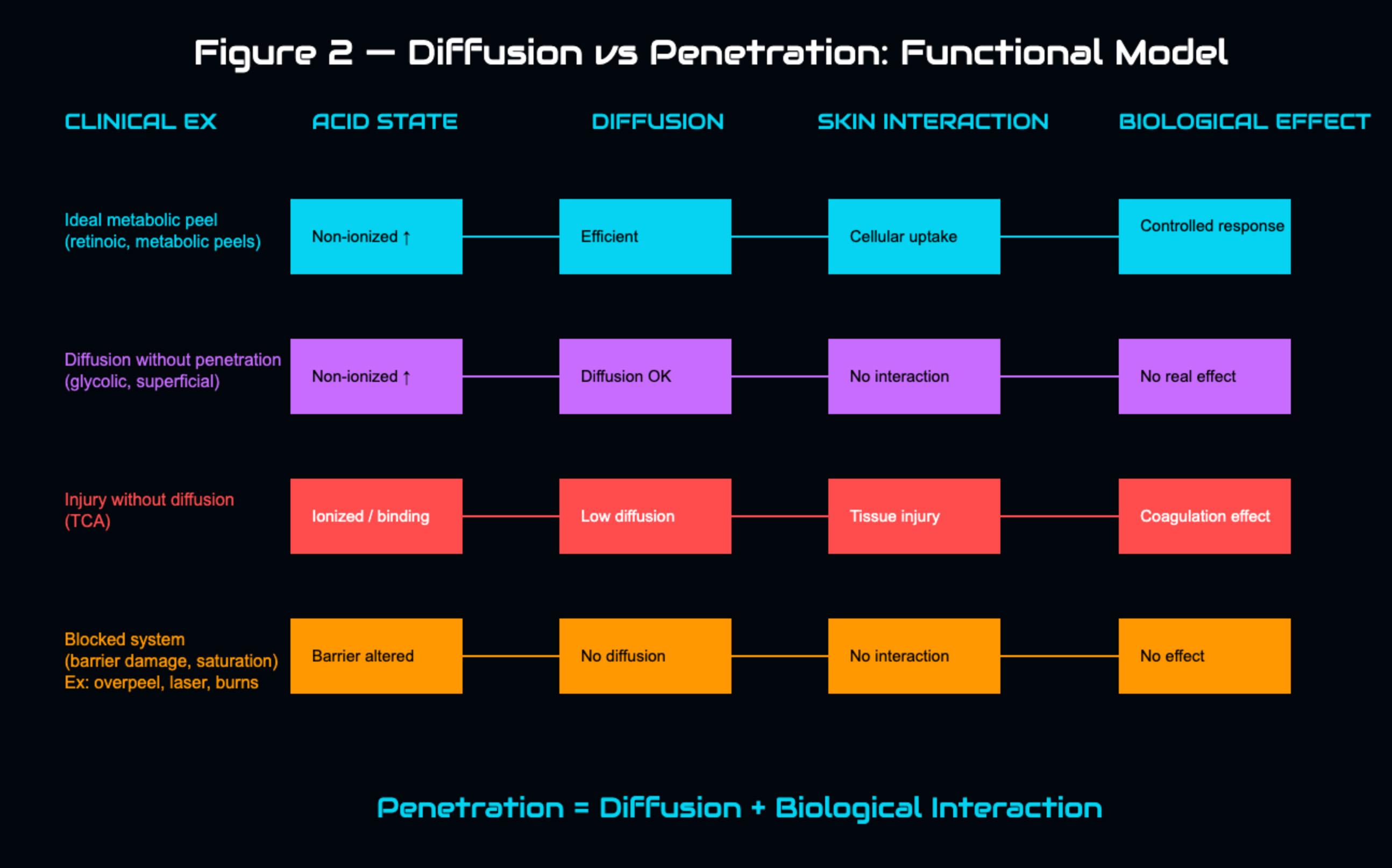
A comparative analysis of hydroxy-acid families focused on behavior, indication relevance, penetration tendencies, and the practical scientific consequences of their differences.
A clinically meaningful comparison centered on functional outcomes, dyschromic logic, acid behavior, and indication-specific differences relevant to advanced peeling strategy.
Science hub page for chemicalpeeling.com structured into Core Science, Applied Science, and Comparative Science. Core Science includes The Science of Chemical Peels, Mechanisms of Action of Chemical Peels, The Functional Depth Model, and Biological Photoprotection in Aesthetic Medicine. Applied Science includes Metabolic Peels: Core Technique and Clinical Applications of the Functional Depth Model. Comparative Science includes Comparative Interpretation of Depth Classifications, AHA vs BHA, and TCA vs Salicylic Acid. This page is designed as a premium scientific hub for physicians and qualified aesthetic practitioners and explains the conceptual basis, biological mechanisms, functional depth logic, metabolic peel paradigm, and comparative acid interpretation relevant to advanced professional chemical peeling.

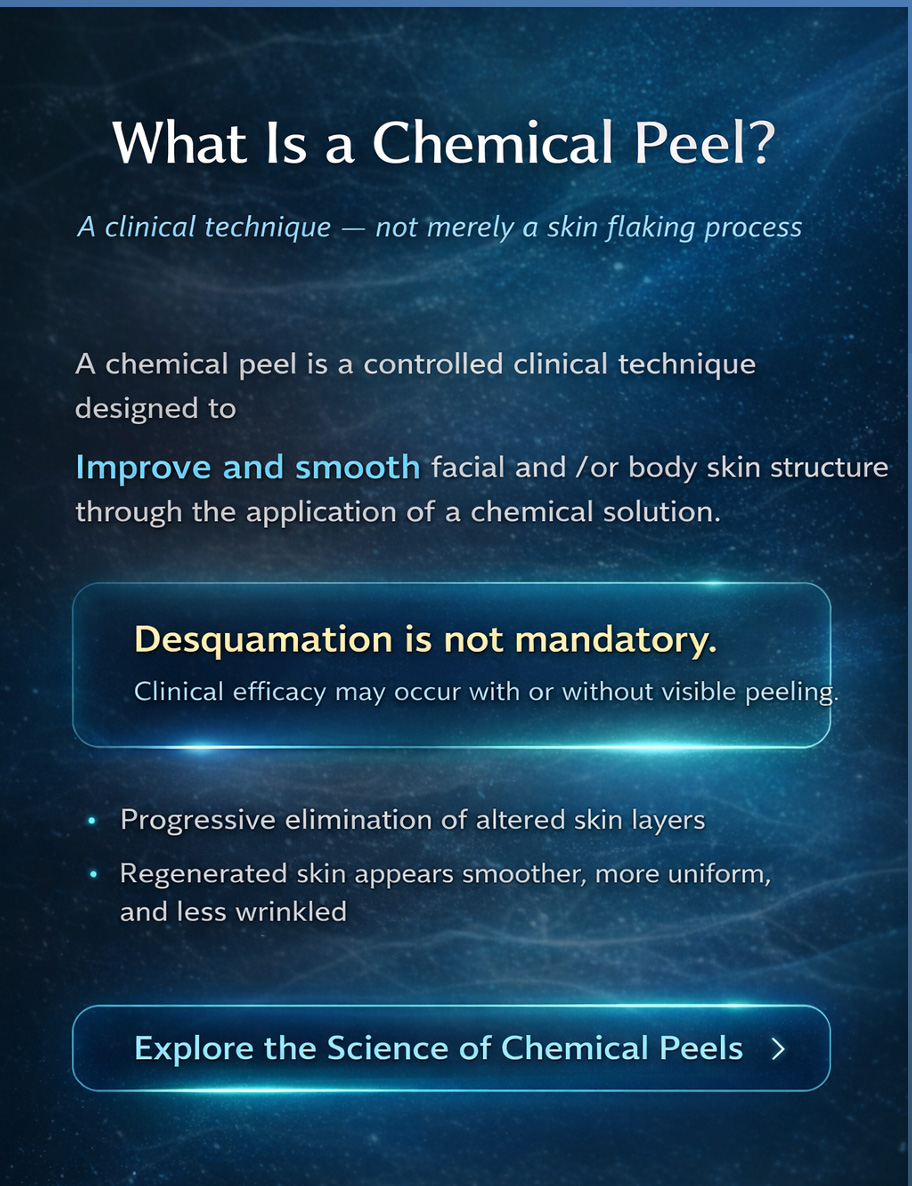
A chemical peel is defined by the interaction between the chemical agent, the biological response of the skin, and the functional depth achieved.
No. Effective biological stimulation can occur without visible desquamation. Clinical outcomes depend on controlled cellular activation.
It defines treatment impact based on biological response rather than traditional superficial, medium, or deep classifications.
Metabolic peels regulate cellular function instead of inducing controlled destruction of skin layers.
Different agents produce distinct biological responses, requiring precise selection based on indication and desired outcome.
Access structured protocols, targeted indications, and professional formulations to translate scientific understanding into precise clinical outcomes.
This page is the Science Hub of chemicalpeeling.com and provides a structured scientific overview of professional chemical peeling. It is organized into three complementary domains: Core Science, Applied Science, and Comparative Science. Core Science includes the scientific basis of chemical peels, mechanisms of action, the functional depth model, and biological photoprotection. Applied Science includes metabolic peels and clinical applications of functional depth logic. Comparative Science includes analysis of classification systems, AHA vs BHA, and TCA vs salicylic acid. The content is intended for physicians and qualified aesthetic practitioners and emphasizes controlled biological interaction, tissue response, functional depth, and advanced clinical interpretation.
We use cookies and similar technologies to improve your experience on our website.