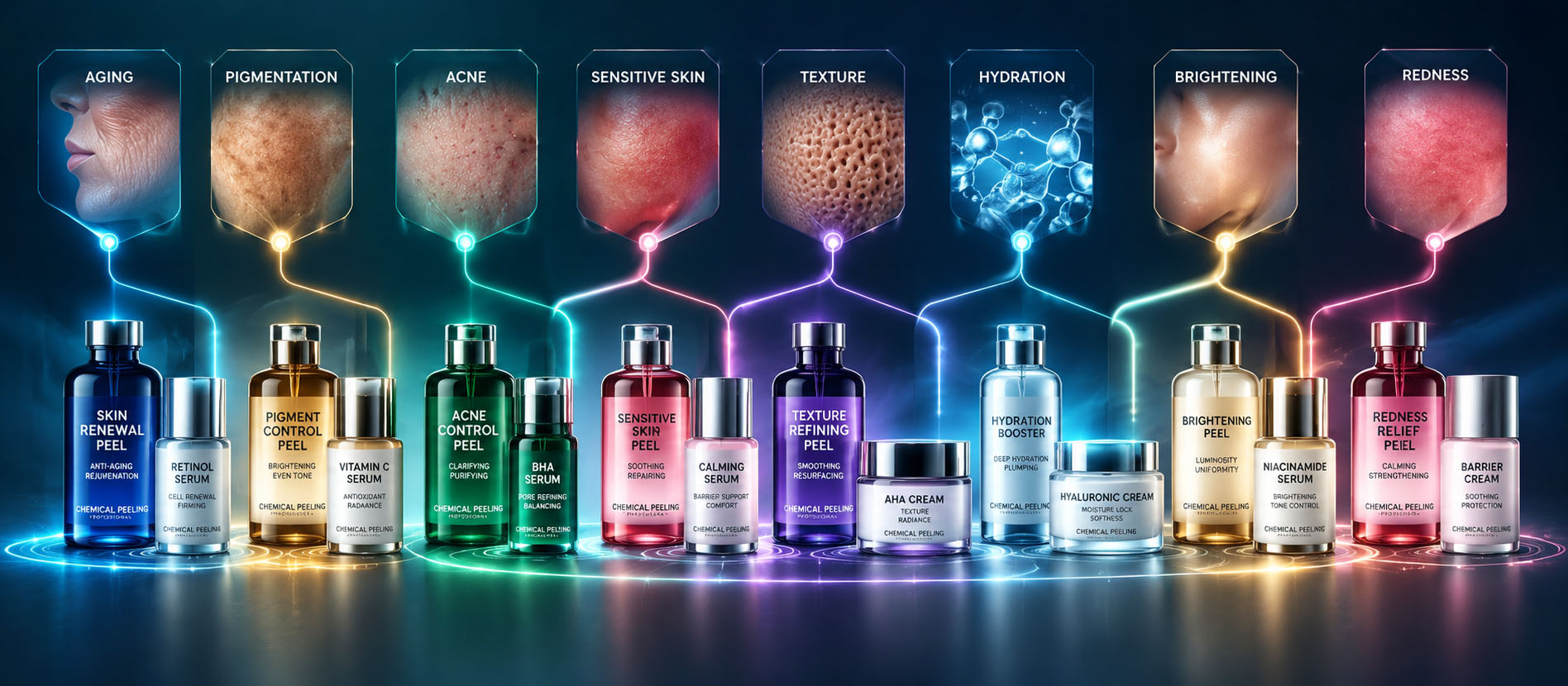
What do I treat?
Start with the clinical indication — not with the product catalogue.
A practical clinical guide to help you identify which product to use, why to use it, when to use it and where it belongs in the treatment sequence. Start with the indication — then move from product selection to home care, professional care and protocol integration.
You do not need to memorize every product or every protocol. Begin with the clinical objective, identify the required function, choose the appropriate product and then decide where it belongs in the treatment sequence.
Start with the clinical indication — not with the product catalogue.
Match the indication to the required product function, then select the product that fulfils that role.
Place the selected product in its practical treatment context: daily care, periodic use or professional treatment.
Start with the smallest coherent pathway. Extend it only when the indication, treatment phase or clinical response requires it.
Start with the clinical question you need to answer. Move from indication to product selection, pathway, routine position, safety and final clinical decision.
Product selection should begin with what you are trying to treat. Choose the dominant clinical indication first. The detailed matrix will then help you connect that objective with the appropriate product function, timing and protocol.
Uneven pigmentation, dyschromia and pigment-focused treatment objectives.
Define the required functionAcne-prone skin and treatment pathways directed toward active acne management.
Define the required functionVisible signs associated with cumulative environmental and photo-induced skin aging.
Define the required functionRoughness and visible surface irregularities requiring a texture-focused strategy.
Define the required functionPore-focused treatment when visible pore appearance is a principal clinical concern.
Define the required functionStrategies focused on improving the appearance of dull, uneven or visually fatigued skin.
Define the required functionSituations in which tolerance and treatment intensity require particular consideration.
Assess suitability firstBarrier-support and recovery needs before, between or after corrective interventions.
Define the support roleDo not begin with the product name. Begin with the clinical objective. Use the five functional families below to identify the smallest coherent product selection, then open the detailed product page when more information is required.
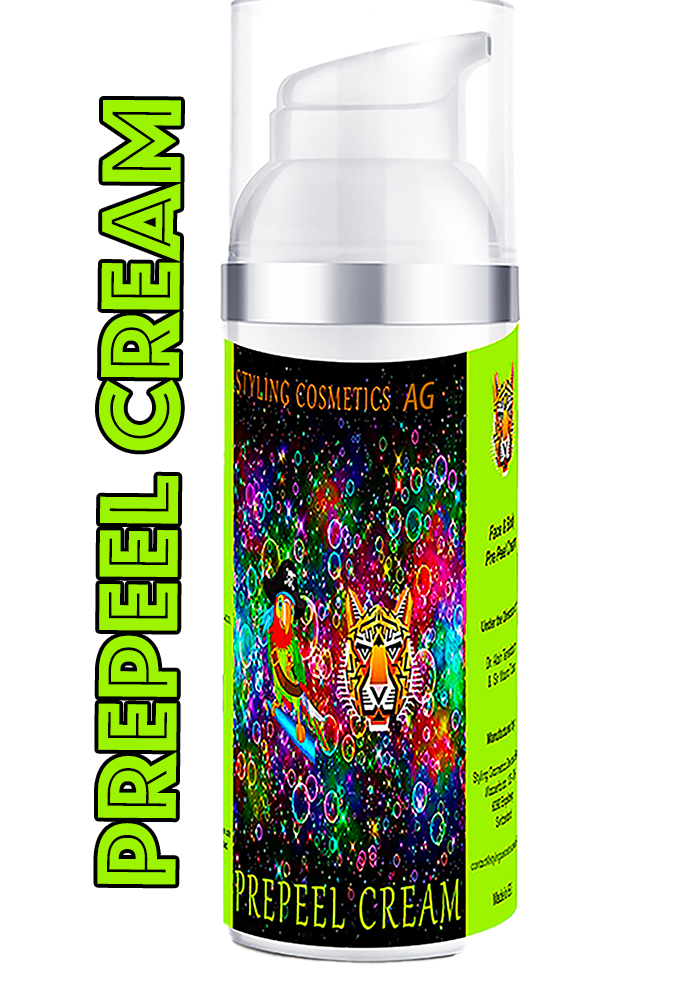
Prepare the skin or treatment field before the active clinical step.
Act directly on surface renewal, texture, exfoliation or corrective treatment objectives.
Select according to the biological, metabolic, photoprotective or targeted skin objective.
Support recovery, hydration, thermal comfort or anatomically delicate areas.
A separate category for immediate cosmetic presentation — not corrective treatment.
Clinical Selection Principle
The purpose of this matrix is selection, not accumulation. Begin with the dominant clinical objective, identify the required function, select the smallest coherent product pathway, and expand the protocol only when there is a clear clinical reason to do so.
Start with the clinical problem, define the treatment objective, then build the smallest coherent pathway. The purpose is not to use every available product — it is to understand what comes first, what performs the corrective step and what supports recovery or maintenance.
Build a controlled pigment-correction strategy integrating preparation, corrective treatment, photoprotection and recovery.
Follow the dedicated protocol for full sequencing.
View Protocol →Approach melasma through structured pigment management rather than as an isolated aggressive peeling event.
Use the complete protocol for clinical adaptation.
View Protocol →Select the strategy according to the active acne presentation rather than treating every patient through the same pathway.
Active acne and acne scars require separate reasoning.
View Protocol →Diagnose scar morphology first, then define the biological objective before selecting and sequencing treatment.
Advanced pathway — morphology determines strategy.
View Protocol →Improve visible pore appearance through structured surface refinement rather than a single isolated product.
Adapt intensity and sequence to the clinical phenotype.
View Protocol →Improve irregular, rough or built-up surface texture by selecting the appropriate mode of surface renewal.
Immediate smoothing and progressive renewal are different objectives.
Explore Products →Address roughness, loss of radiance, progressive textural aging, uneven pigmentation and loss of epidermal uniformity through progressive correction and structured maintenance.
Start with the shortest coherent route; extend only when needed.
View Protocol →Restore a smoother, more luminous and visually uniform surface without automatically escalating treatment intensity.
Dullness may also belong to the broader Photoaging pathway.
Explore Pathway →Prioritize suitability, tolerance and cutaneous integrity before increasing corrective intensity.
Sensitivity changes treatment selection — it is not merely another indication for stronger peeling.
Explore Skin Tolerance →Treat recovery as an integral phase of the protocol: support cutaneous integrity, limit unnecessary irritation and allow the barrier to recover before further correction.
Recovery is part of treatment architecture — not an afterthought.
Explore Barrier Recovery →Start with the indication — not with the number of products available. Identify the clinical objective, select the smallest coherent pathway, reassess the tissue response and expand the strategy only when there is a clear clinical reason to do so.
Once the product has been selected, the next question is practical: when does it belong in the routine? Use this matrix as a rapid orientation guide for daily care, periodic use, professional procedures and recovery strategies.
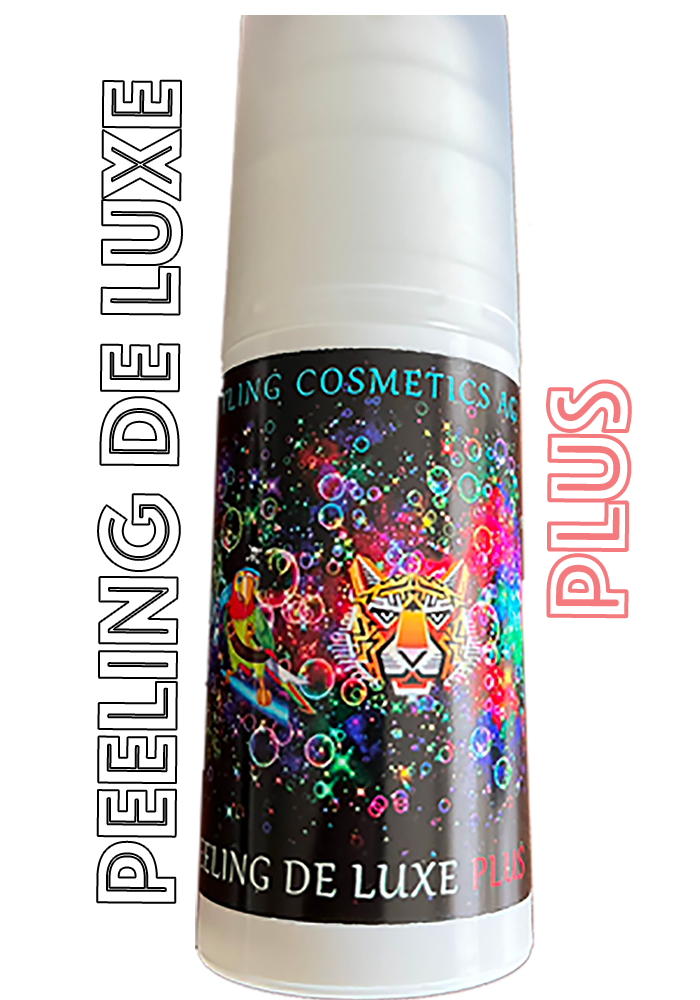
A product may be incorporated into a professional protocol without being restricted to professionals. Peeling de Luxe Plus is the only product in this matrix reserved exclusively for professional use.
Products integrated into regular morning, evening or indication-specific home-care strategies.
Products used intermittently for renewal, mechanical smoothing, targeted support or protocol maintenance.
Products that may occupy a defined position before, during or after a structured clinical procedure.
Products used to support comfort, barrier function or continuity before returning to maintenance.
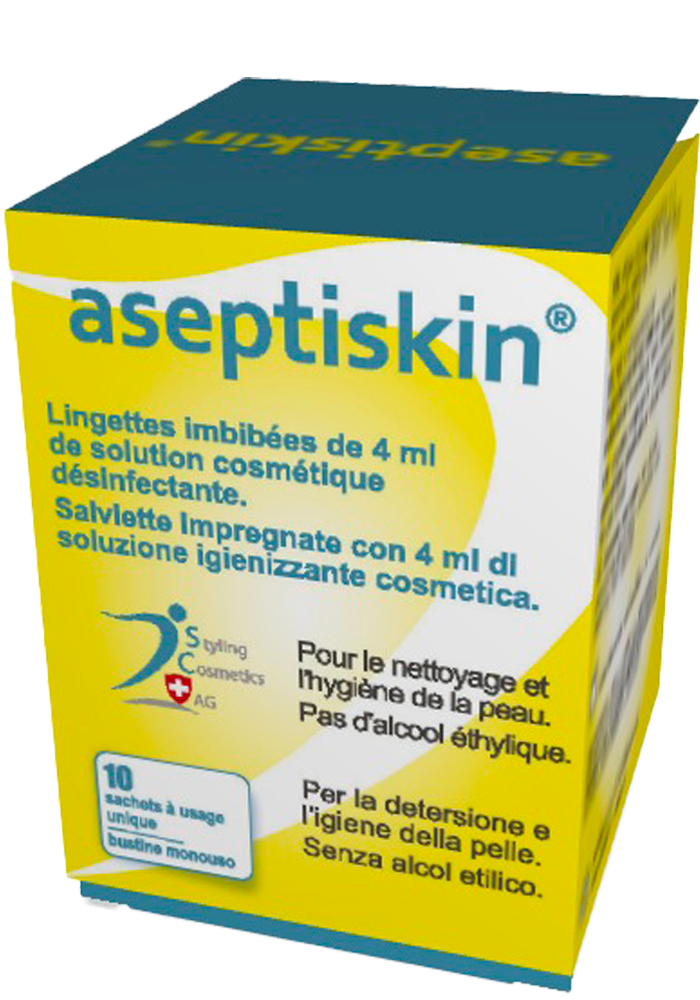
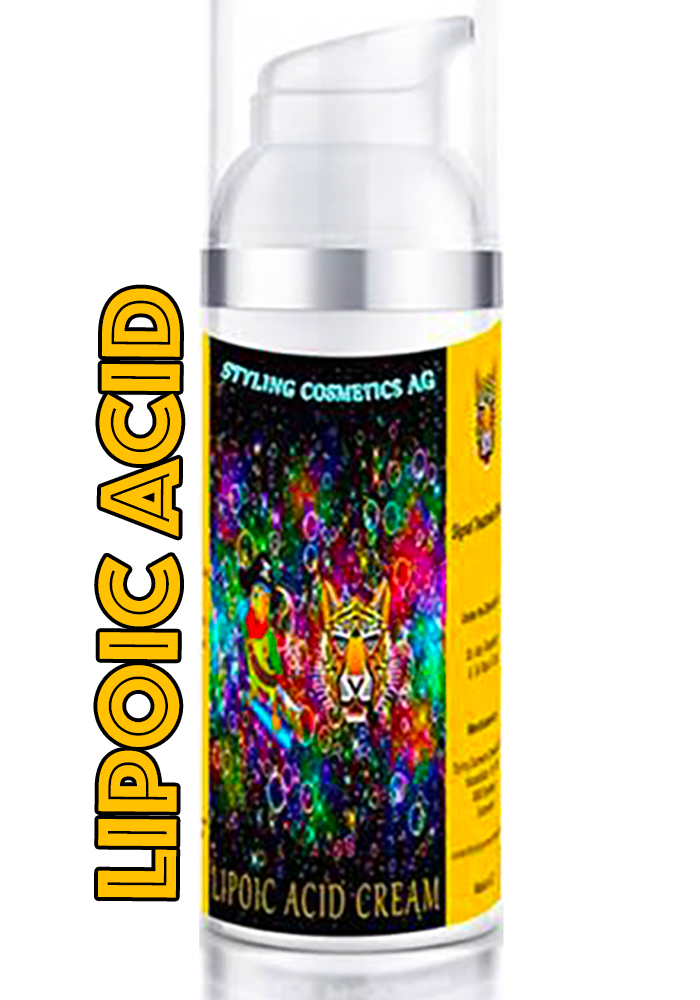
Products such as Aseptiskin, 30 Min Peel Off, Lipoic Acid Cream or PostPeel may appear within professional treatment sequences, but this does not make them professional-only products. Peeling de Luxe Plus is the sole professional-only product shown in this matrix.
Start with the smallest coherent routine that answers the clinical indication. Add periodic, corrective or recovery steps only when they have a defined function within the selected pathway.
Product selection is not only about what to use. It is also about knowing when to reduce intensity, when sequencing matters, when the skin should be reassessed and when a product belongs only within a defined protocol.
Reserved for situations in which treatment should not continue until the relevant clinical problem has been assessed.
Irritation, erythema, dryness, sensitivity and barrier condition may require adaptation of intensity, frequency or product choice.
Some products have a defined place before, during or after another step. Correct products used in the wrong order can disrupt protocol logic.
Some combinations depend on indication, formulation, treatment intensity and the intended clinical objective rather than on one universal rule.
This matrix deliberately avoids turning every tolerance issue, sequence rule or professional protocol into an absolute prohibition.
Sensitivity, timing or the need to adapt frequency should not automatically be presented as an absolute prohibition.
Preparation, correction, penetration facilitation, recovery and maintenance are different positions within a protocol.
A product may be used during a professional protocol without being restricted to professionals. Peeling de Luxe Plus is the exception.
When tolerance changes, irritation increases or the expected response differs from the treatment plan, reassess the skin before adding intensity or additional active products.
You do not need to memorize every product or use every available option. Start with the dominant clinical indication, identify the required function, position the product correctly in the routine and build the smallest coherent pathway.
Define the primary clinical concern before thinking about a product name. When several indications coexist, identify the main treatment objective first.
Decide whether the clinical objective requires preparation, renewal, regulation, penetration facilitation, protection, hydration retention, comfort or recovery.
Determine whether the selected product belongs in daily home care, periodic use, procedure integration or the recovery and maintenance phase.
Check tolerance, skin condition, timing, combination logic and protocol dependency before increasing intensity or adding another active step.
Begin with the essential products required to achieve the clinical objective. Add further steps only when the indication and treatment strategy justify them.
A longer protocol is not automatically a better protocol. Build from the minimum coherent strategy and introduce additional products only when they have a defined clinical role.
Identify the essential function and the minimum product or step required to address the dominant clinical objective.
Build the shortest complete and coherent routine that the patient can understand, tolerate and follow consistently.
Add targeted regulation, support, recovery or additional protocol steps only when the clinical situation provides a clear reason to do so.
Do not add complexity automatically. Reassess the indication, skin response and treatment objective before moving from Core to Basic or from Basic to an Extended / Expert pathway.
Eight practical answers to help you move from product overload to clinical logic. Use the matrix to simplify the decision — then open the complete clinical protocol when procedural detail is required.
No. The matrix is a selection system, not a prescription to use every available product.
Start with the dominant clinical indication, identify the function that is actually required and build the smallest coherent pathway.
Identify the dominant clinical objective first. Secondary concerns can then modify or extend the pathway rather than creating several competing routines.
The purpose is not to assign one product to every visible problem, but to establish a coherent treatment priority.
The indication comes first. Product selection becomes clearer once the clinical problem and the required function have been defined.
Core identifies the essential function required for the dominant objective.
Basic is the shortest complete and coherent pathway that can reasonably achieve the intended objective.
Extended / Expert adds targeted products or steps when the skin condition and clinical objective justify them.
Yes, depending on the product. Being incorporated into a professional procedure does not automatically make a product professional-only.
Always distinguish the position of a product within a protocol from its actual access restriction.
Peeling de Luxe Plus.
It is the only product in this selection matrix reserved exclusively for professional use. Other products may participate in professional protocols without automatically becoming professional-only products.
Not automatically. Every combination must have a defined clinical purpose, and sequence can be as important as product selection.
When tolerance changes, irritation increases or the skin response differs from the expected course, reassess before adding intensity or another active product.
Go to the corresponding full Clinical Protocol.
The Product Selection Matrix helps you identify what may fit, why it fits and where it belongs. The complete protocol provides the detailed treatment sequence and clinical context.
Use this page to simplify product selection. Use the complete clinical protocols when you need indication-specific sequencing, timing and procedural detail.
You have identified the indication, selected the required function, positioned the product and checked the clinical context. Now move to the level of detail you actually need.
Move from product selection to the complete indication-specific strategy, with the appropriate treatment sequence, timing and clinical context.
View Clinical Protocols →Go deeper into the individual product selected by the matrix and review its positioning, characteristics and role within the clinical system.
View Products →Examine the biological principles behind metabolic peeling, barrier function, photoprotection, recovery and the clinical logic used throughout this system.
Explore the Science →Clinical product selection should reduce complexity, not create it. Begin with the indication, define the required function and add only the products that have a justified place in the pathway.