Clinical protocol · Skin texture and follicular appearance

Enlarged Pores Treatment Protocol

Phenotype-Guided Metabolic Peeling

A phenotype-guided metabolic peeling pathway designed to refine the visible appearance of enlarged follicular openings, improve uneven surface texture and support a more balanced, clinically controlled treatment strategy.

  • Phenotype-guided
  • Professional protocol
  • Structured homecare
Core clinical pathway

Prepare the skin, cleanse with Aseptiskin, apply the selected metabolic peel, complete the procedure with 30 Min Peel Off for approximately 45–60 minutes, and continue with indication-specific homecare.

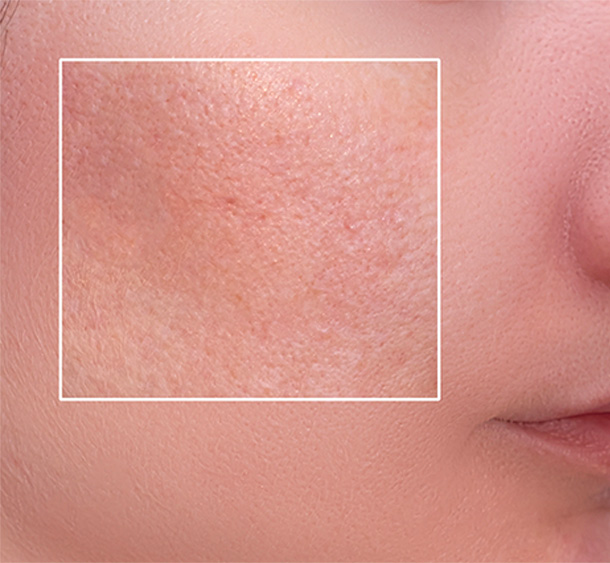
Clinical close-up illustrating visibly enlarged facial pores and uneven skin texture
Clinical assessment Texture · Follicular visibility

Enlarged pores cannot be permanently “closed.” Treatment aims to reduce their visible appearance by addressing the contributing clinical phenotype.

Fast clinical overview

Enlarged Pores Protocol in 30 Seconds

Prepare · Cleanse · Treat · Protect

A concise overview of the core pathway. Product selection and protocol intensity must remain adapted to the patient’s clinical phenotype and skin condition.

01
Before treatment

Prepare the Skin

Use PrePeel according to professional instructions to prepare the skin before the clinical procedure.

02
Clinical cleansing

Aseptiskin

Cleanse the entire treatment area with alcohol-free Aseptiskin and allow the skin to dry completely.

03
Metabolic phase

Peeling de Luxe

Apply an even layer over the selected area and leave it in place for approximately 15 minutes.

04
Occlusive phase

30 Min Peel Off

Apply a sufficiently thick, even layer. Leave it in place for approximately 45–60 minutes, according to clinical assessment.

05
Procedure completion

Remove and Finish

Remove the mask delicately and evenly without water or other liquids. Complete the procedure with Lipoic Acid Cream.

06
Seven-day homecare

Daily Support

Apply Les Félins in the morning and Lipoic Acid Cream at night for seven days.

Explore the Clinical Protocol

Table of Contents

From Follicular Diagnosis to Long-Term Maintenance

Navigate directly to each clinical chapter and follow the complete reasoning behind patient selection, product choice, professional treatment, homecare, documentation and safety.

Understand Select Treat Document and Maintain
Navigate by clinical reasoning

Begin with follicular anatomy and phenotype identification before moving to product selection, treatment, homecare and maintenance.

3.Table of Contents

Clinical understanding

What Enlarged Pores Really Are

Follicular visibility · Not a single diagnosis

“Enlarged pores” describe the visible appearance of follicular openings. Their prominence may reflect excess sebum, accumulated keratin, reduced perifollicular support, photodamage, scarring or a combination of several factors.

Close clinical view of visibly enlarged facial pores and uneven skin texture
Visible follicular openings require phenotype-specific assessment

A Visible Structure, Not an Open Door

Pores do not mechanically open and close

A visible pore corresponds principally to a pilosebaceous follicular opening. Its apparent diameter is influenced by the amount of sebum, the condition of the follicular canal, surface keratinization and the quality of the surrounding cutaneous support.

Treatment therefore aims to reduce visible pore prominence and improve texture, rather than claiming to close or permanently erase an anatomical structure.

Clinical principle

The same visible pore pattern may arise from different causes. Correct classification must precede product selection and protocol intensity.

Four Common Clinical Presentations

Similar appearance · Different treatment priorities
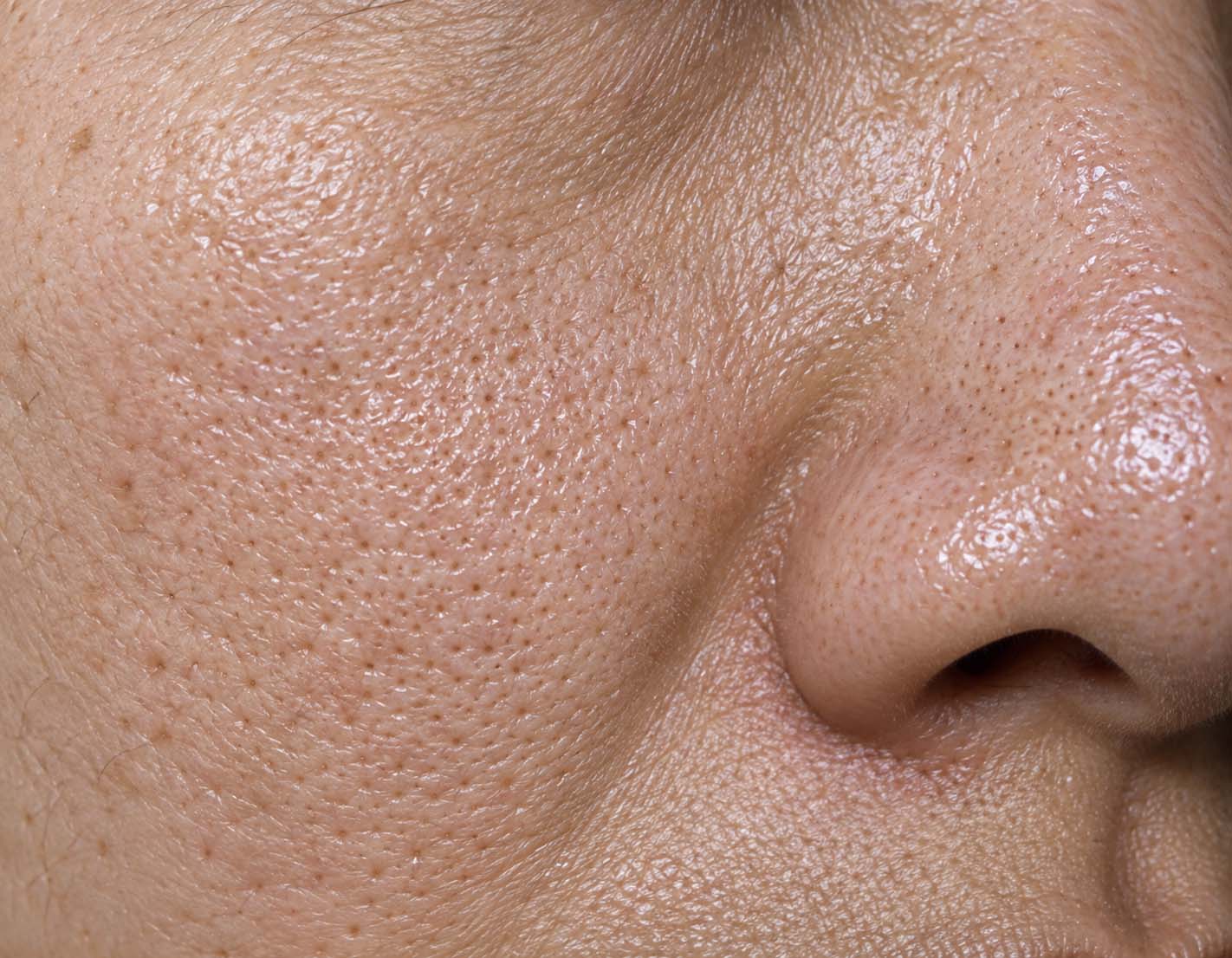
Seborrheic enlarged pores associated with increased surface oil 01
Sebum-dominant

Seborrheic Pores

More visible follicular openings associated with increased sebum production, shine and a thicker-looking surface texture.
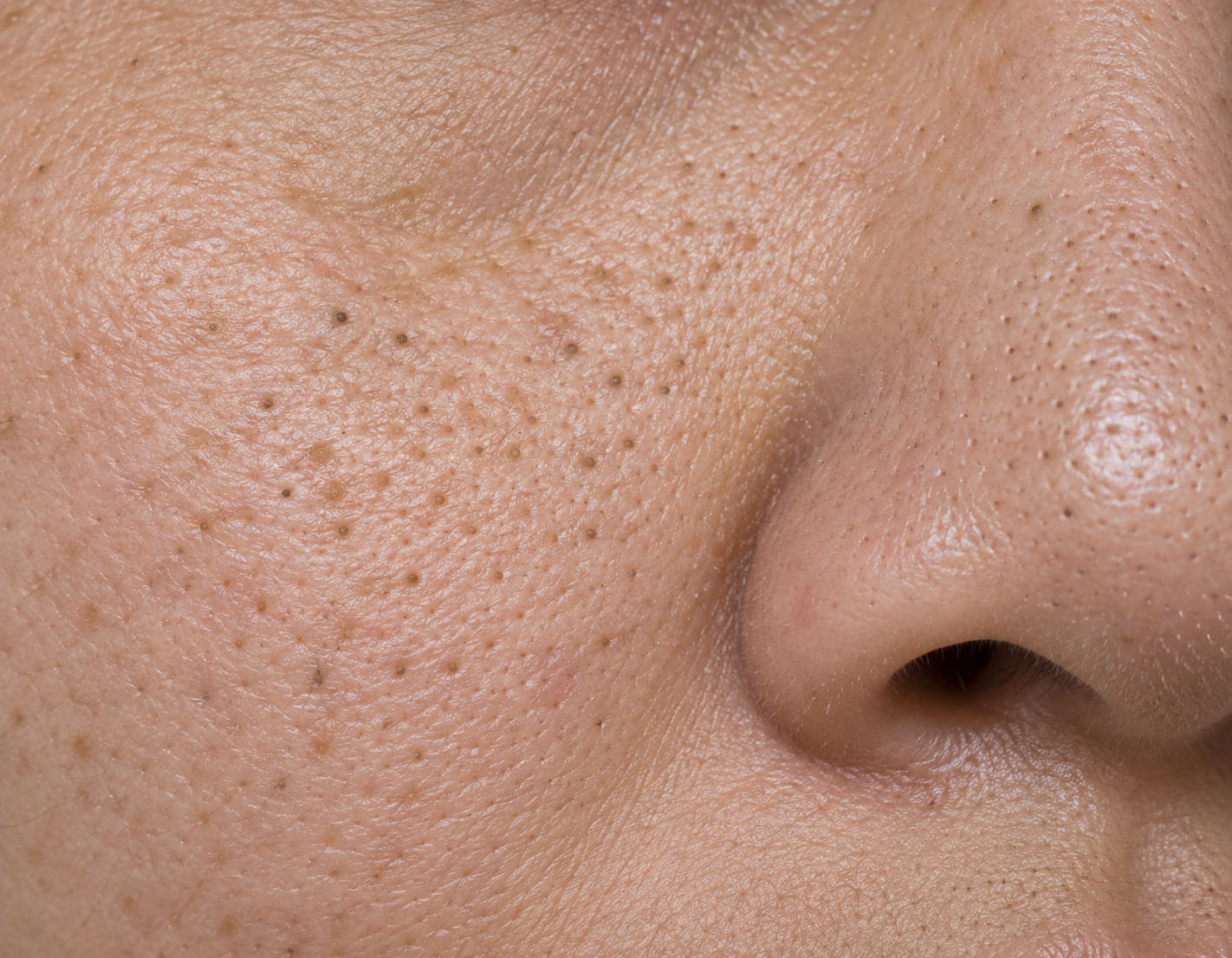
Comedonal enlarged pores with follicular keratin accumulation 02
Keratin-dominant

Comedonal Pores

Follicular visibility associated with retained keratin, congestion or comedones. This presentation requires particular attention to follicular obstruction.
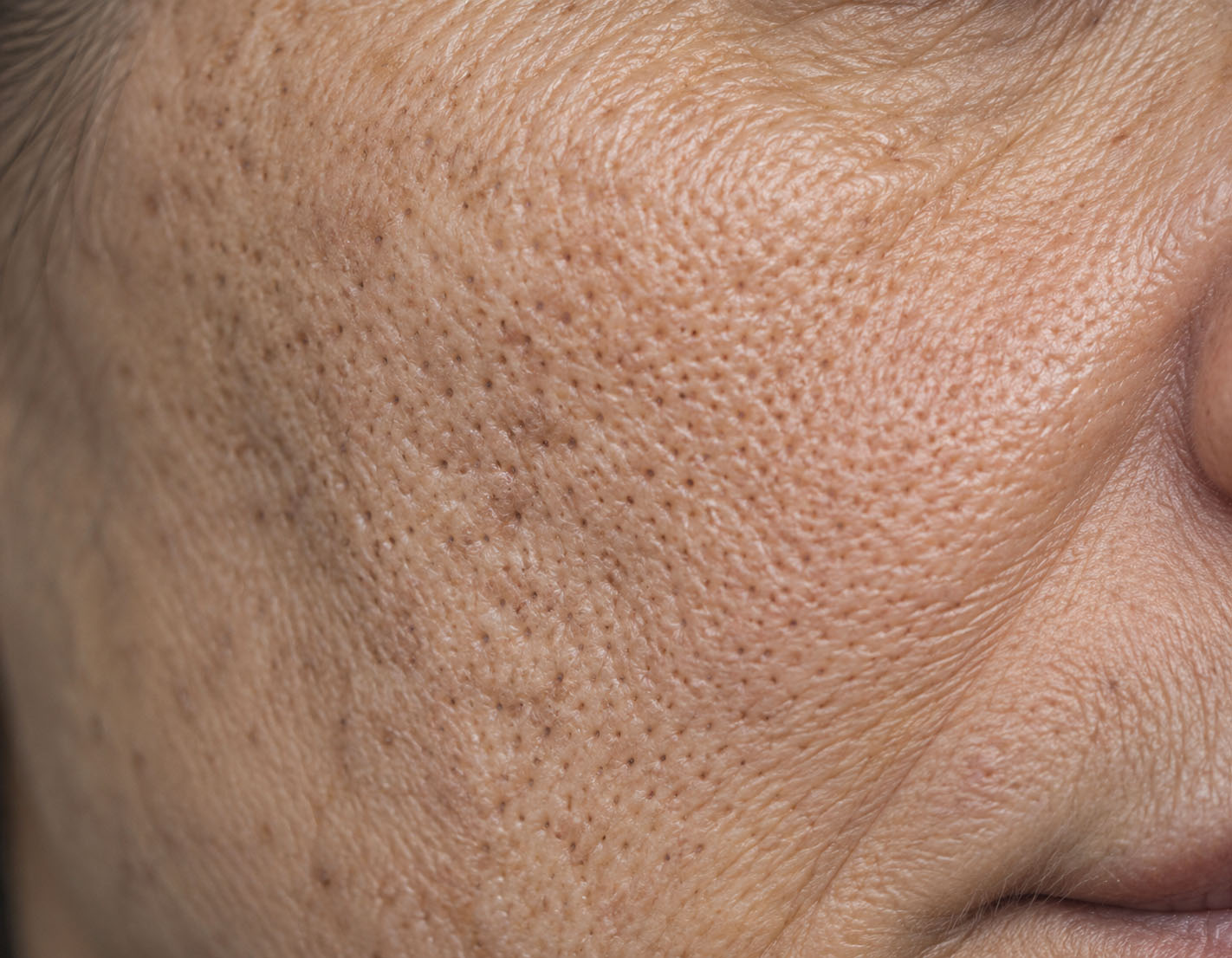
Photo-induced enlarged pores associated with reduced perifollicular support 03
Support-dominant

Photo-Induced Pores

Pores become more apparent when photodamage and aging reduce perifollicular firmness and surface regularity.
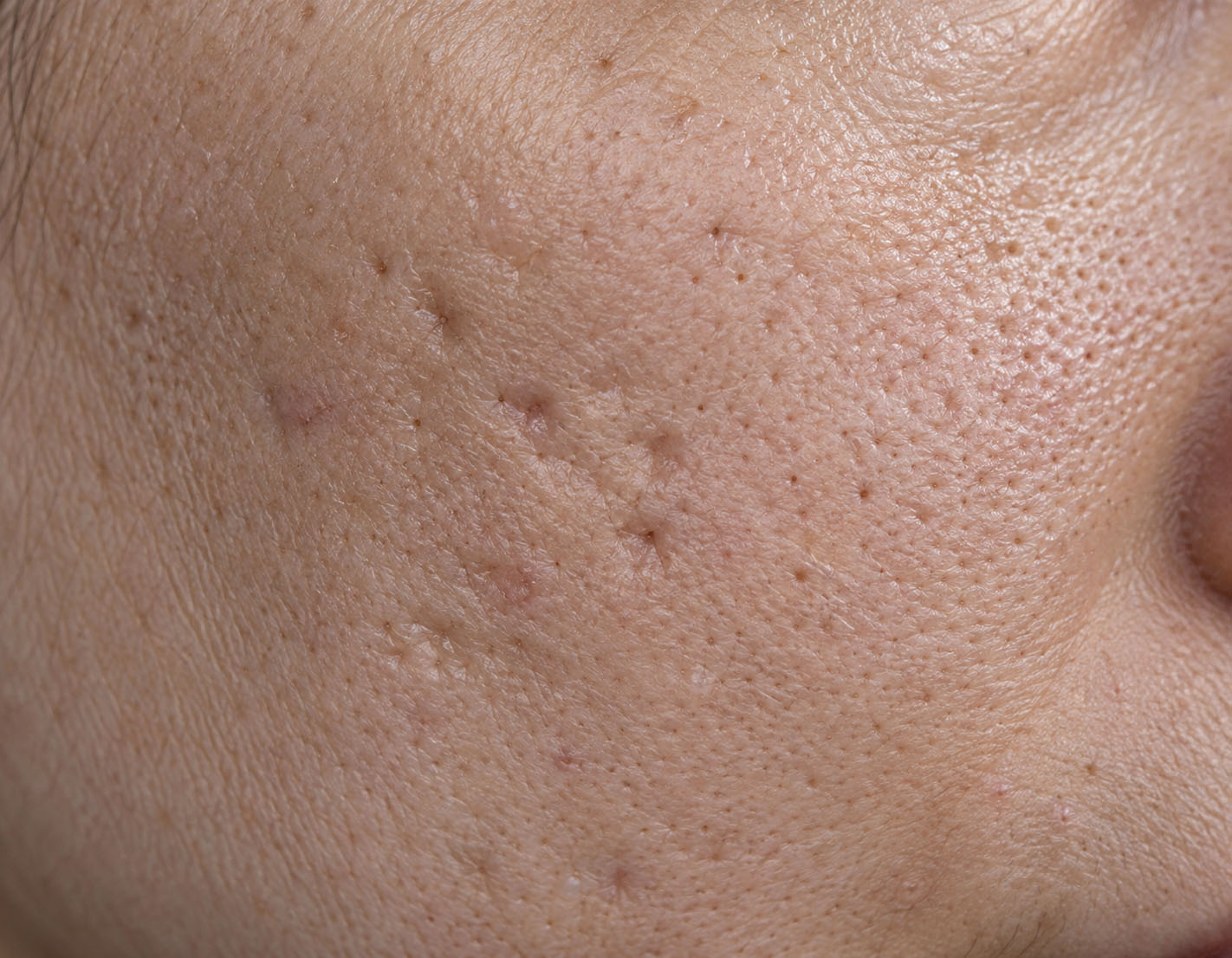
Scar-related pore-like depressions requiring differential diagnosis 04
Structural irregularity

Scar-Related Openings

Some apparent “pores” are actually small atrophic or post-acne depressions. They must be distinguished from true follicular enlargement.

Clinical classification

Clinical Phenotypes

Identify the dominant mechanism before selecting the protocol

Visible pores are not a uniform diagnosis. Assessment should identify the dominant mechanism, distinguish follicular enlargement from scar-related depressions and recognize factors that may modify treatment tolerance.

01
Sebum-dominant

Seborrheic Phenotype

Observe
Surface shine with more visible follicular openings, particularly across the nose and medial cheeks.
Dominant factor
Increased sebaceous activity contributing to greater pore visibility.
Priority
Reduce congestion and improve texture without provoking unnecessary irritation.
02
Keratin-dominant

Comedonal Phenotype

Observe
Blackheads, follicular plugs, uneven texture or visible retained material within the follicular openings.
Dominant factor
Follicular keratin accumulation with obstruction or comedonal congestion.
Priority
Address obstruction and surface irregularity while respecting the patient’s tolerance.
03
Support-dominant

Photo-Induced Phenotype

Observe
More visible or elongated pores associated with fine lines, uneven tone and reduced surface firmness.
Dominant factor
Reduced perifollicular support associated with photodamage and cutaneous aging.
Priority
Improve overall texture, surface regularity and the visible support surrounding follicular openings.
04
Structural irregularity

Scar-Related Phenotype

Observe
Irregular depressions, asymmetrical borders or small atrophic defects that resemble enlarged pores.
Dominant factor
Post-acne structural alteration rather than simple follicular enlargement.
Priority
Establish the differential diagnosis and use a scar-oriented strategy when true atrophic defects predominate.

Mixed Phenotype

The most frequent real-world presentation

Many patients combine sebaceous activity, follicular congestion, reduced support and scar-related irregularity. The dominant mechanism guides the primary protocol, while secondary components determine adaptations and maintenance.

Mechanisms of visibility

Why Pores Become More Visible

Anatomy · Sebum · Keratin · Support · Scarring

Pore visibility results from the interaction between baseline follicular anatomy and acquired changes affecting the follicular canal, surface texture and surrounding cutaneous support.
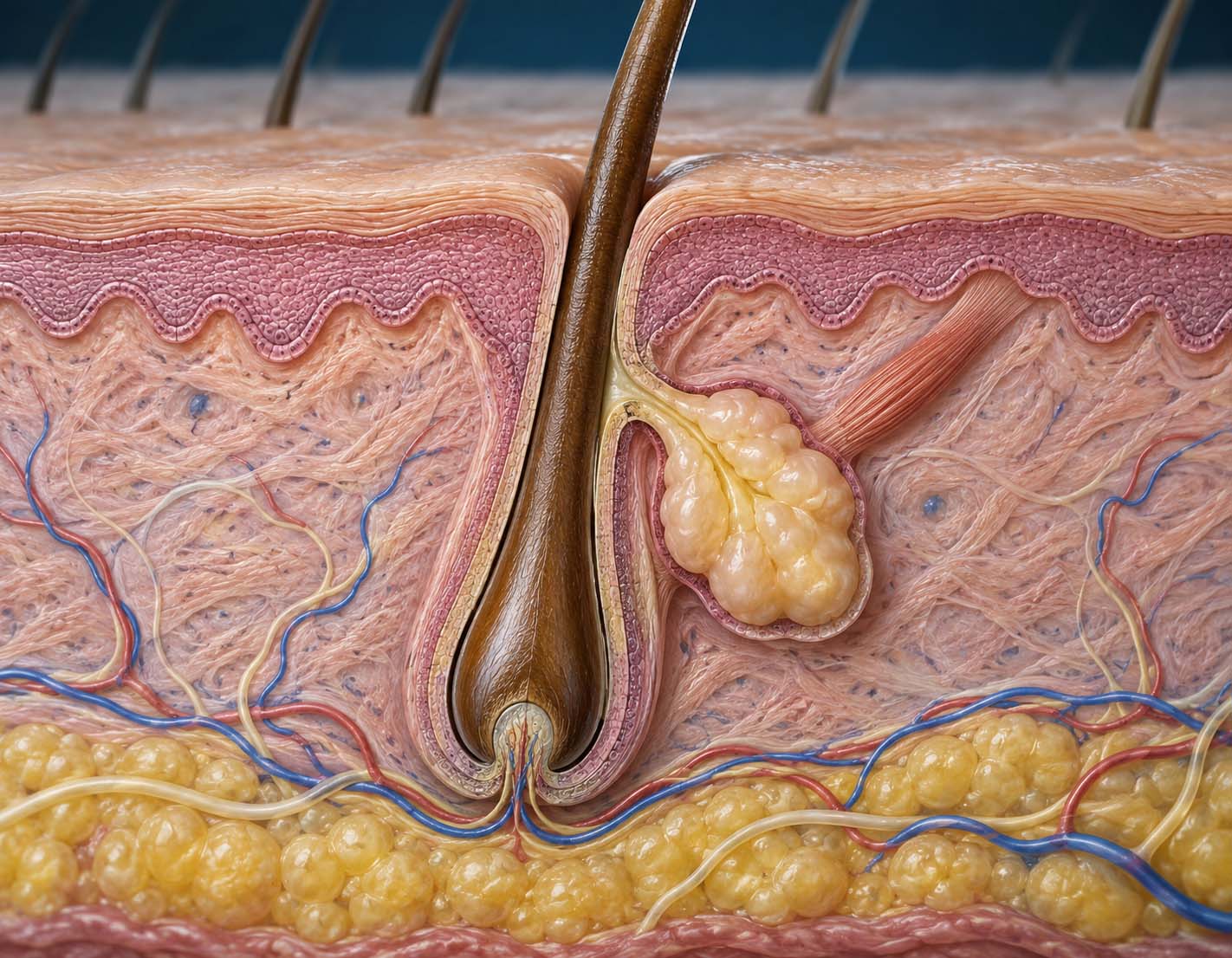
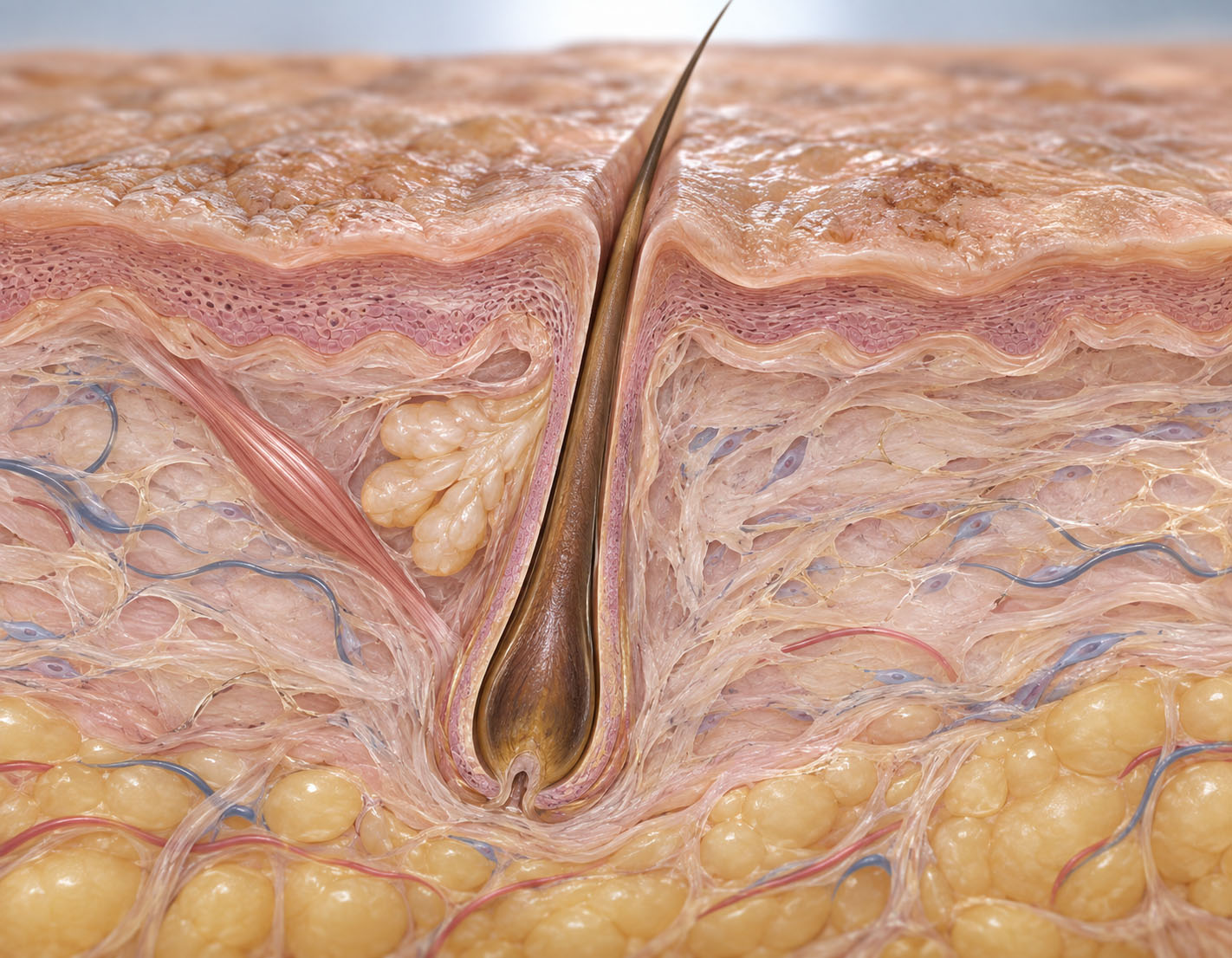
Educational cross-sectional visualization of a pilosebaceous follicular unit
Educational anatomical visualization
Baseline factor

Follicular Anatomy

A follicle is a cutaneous structure containing the hair shaft and follicular canal. Its associated sebaceous gland releases sebum into the canal before it reaches the skin surface.

Follicular density and diameter vary according to individual anatomy, skin characteristics and anatomical region.

Determines baseline visibility
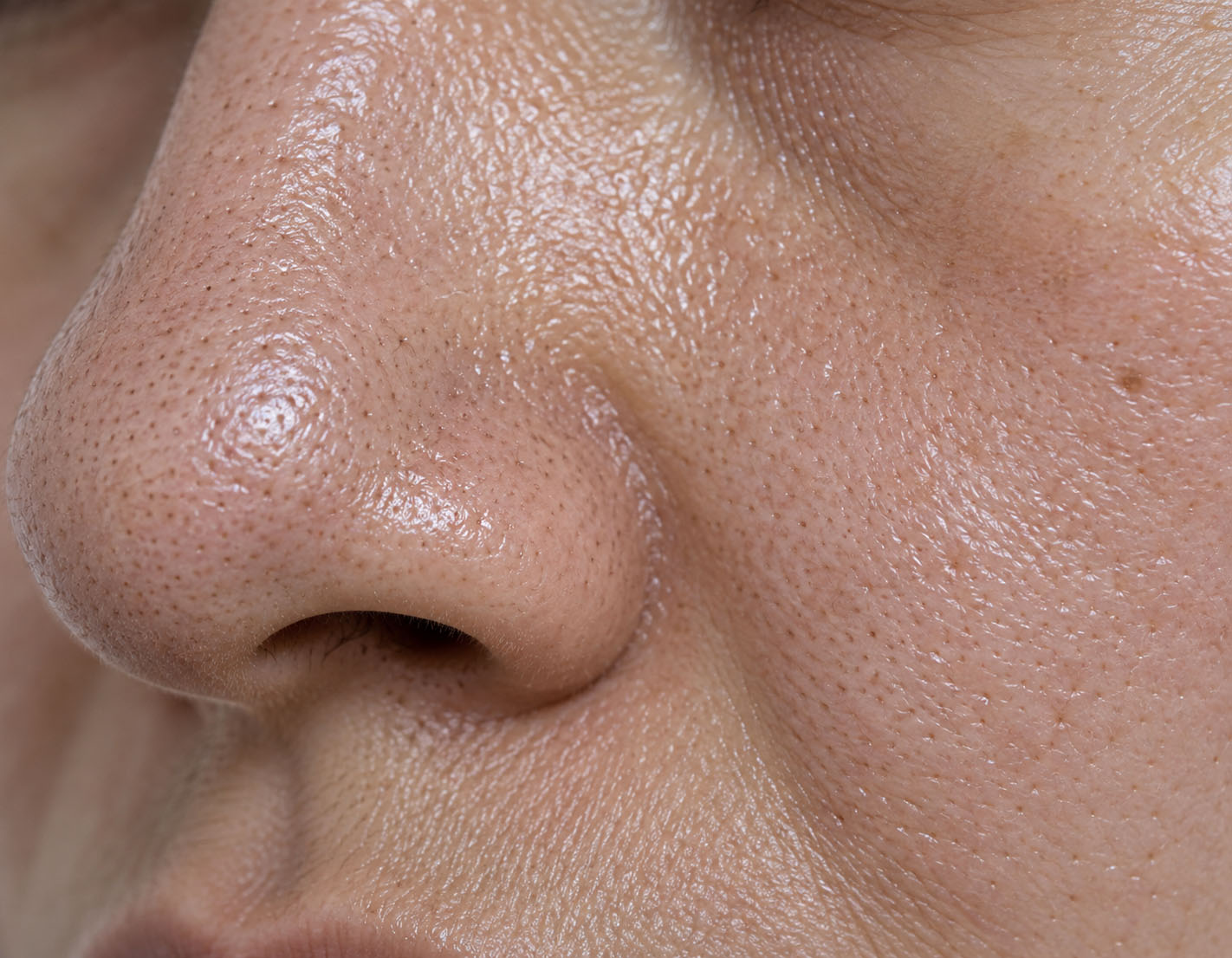
Clinical educational visualization of oily skin with increased sebum and visible follicular openings
Educational clinical visualization
Sebaceous factor

Increased Sebum

Sebum is the lipid-rich secretion produced by sebaceous glands. Clinically, increased sebum is recognized by surface shine, an oily appearance and greater follicular prominence.

These signs are frequently most visible across the nose and medial cheeks.

Increases follicular prominence
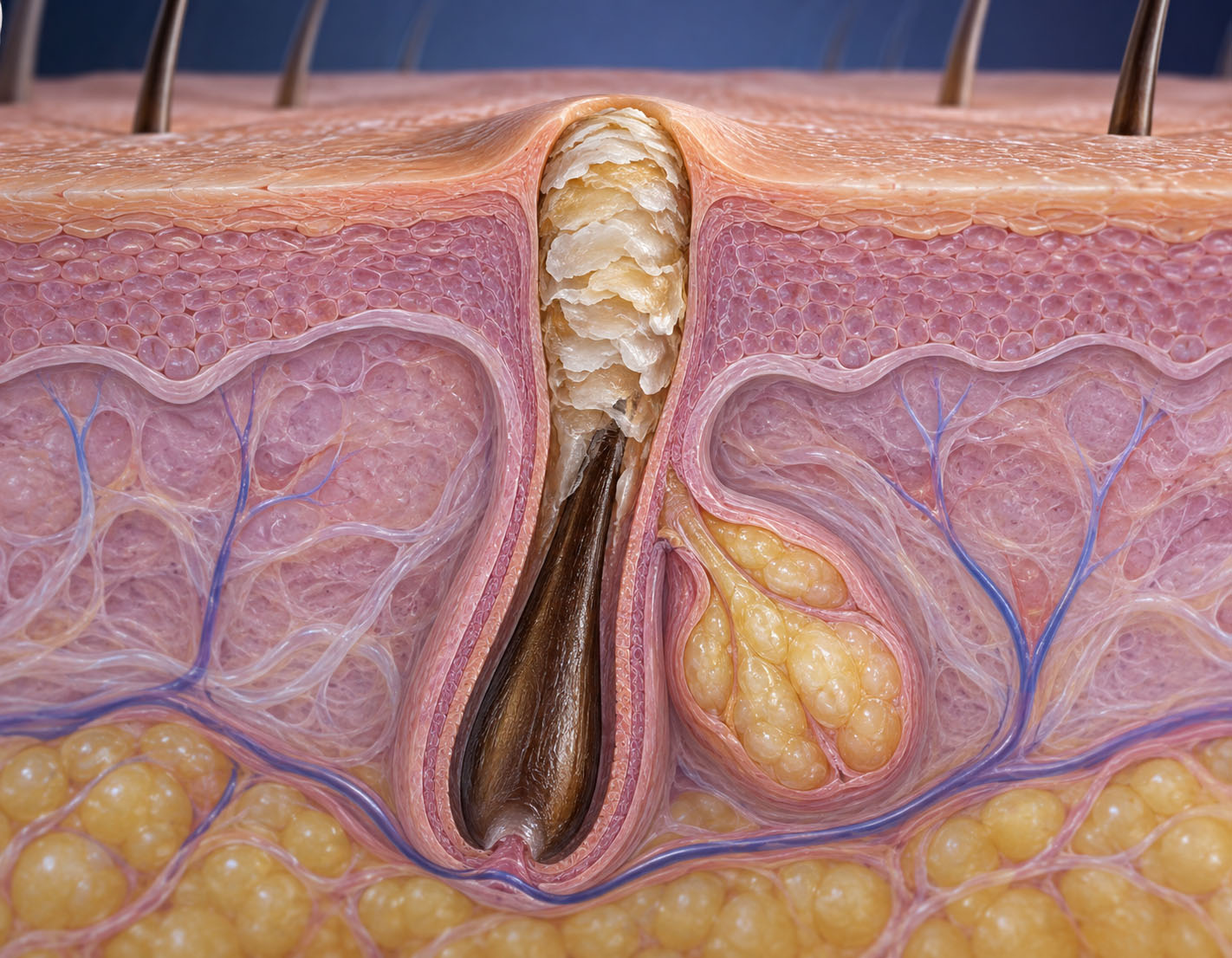
Educational cross-sectional visualization of retained keratin within a follicular canal
Educational follicular visualization
Follicular factor

Retained Keratin

Keratinized cells may accumulate within the follicular canal and combine with sebum. This retained material can form a follicular plug or noninflamed comedonal obstruction.

Clinically, it increases contrast within the opening and creates a congested, irregular surface.

Accentuates opening contrast
Educational visualization of reduced cutaneous support surrounding a follicular opening
Educational support visualization
Perifollicular factor

Reduced Support

Perifollicular support corresponds to the cutaneous tissue surrounding the follicular canal and its surface opening.

Photodamage and cutaneous aging may reduce its apparent firmness, making follicular openings look larger, less regular or more elongated.

Alters the surrounding contour
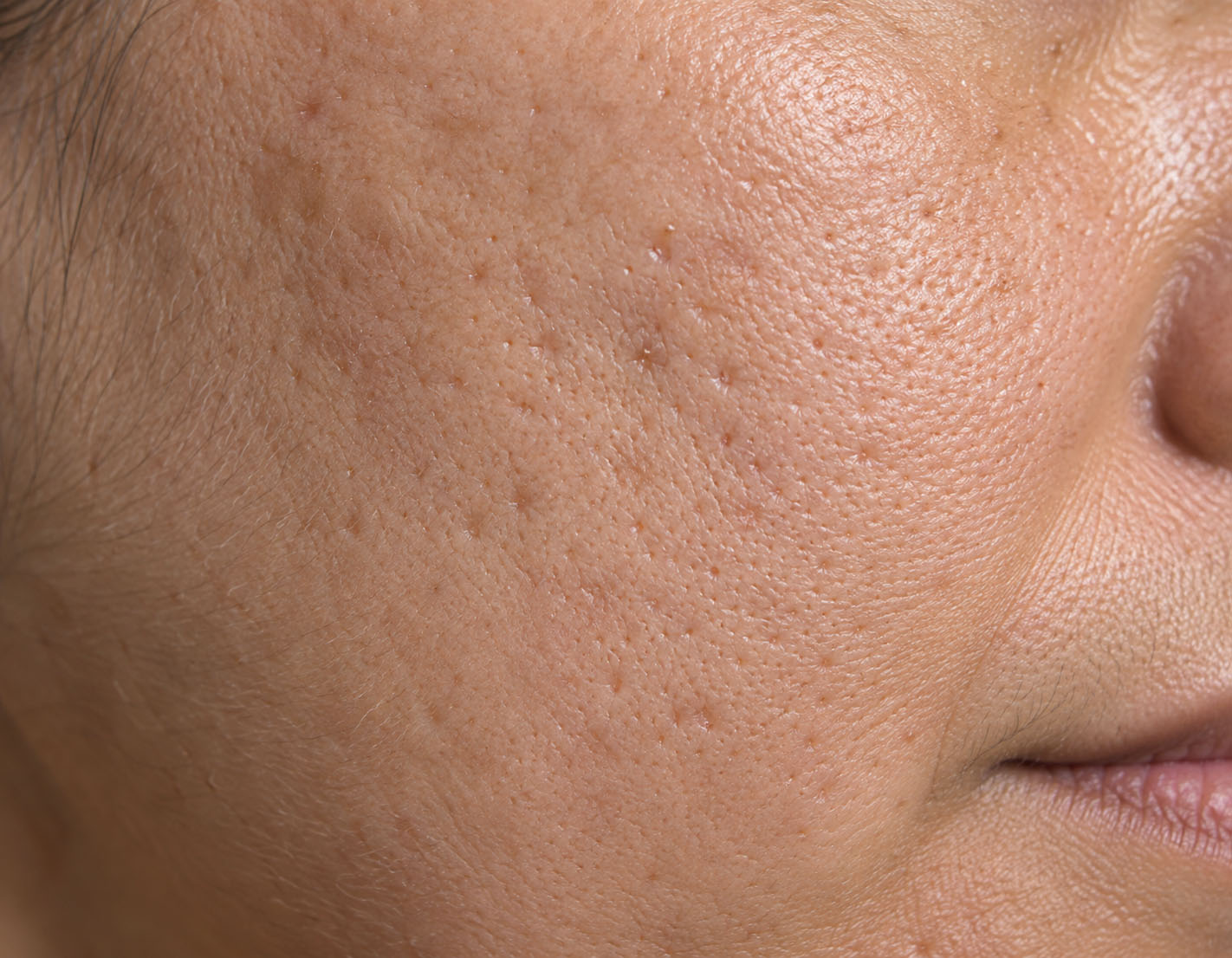
Clinical educational visualization of shallow atrophic depressions resembling enlarged pores
Educational clinical visualization
Structural factor

Atrophic Scarring

Small post-acne depressions may resemble enlarged pores, but they represent structural surface defects rather than simple follicular enlargement.

Irregular borders, variable depth and asymmetrical distribution support a scar-related differential diagnosis.

Creates pore-like depressions
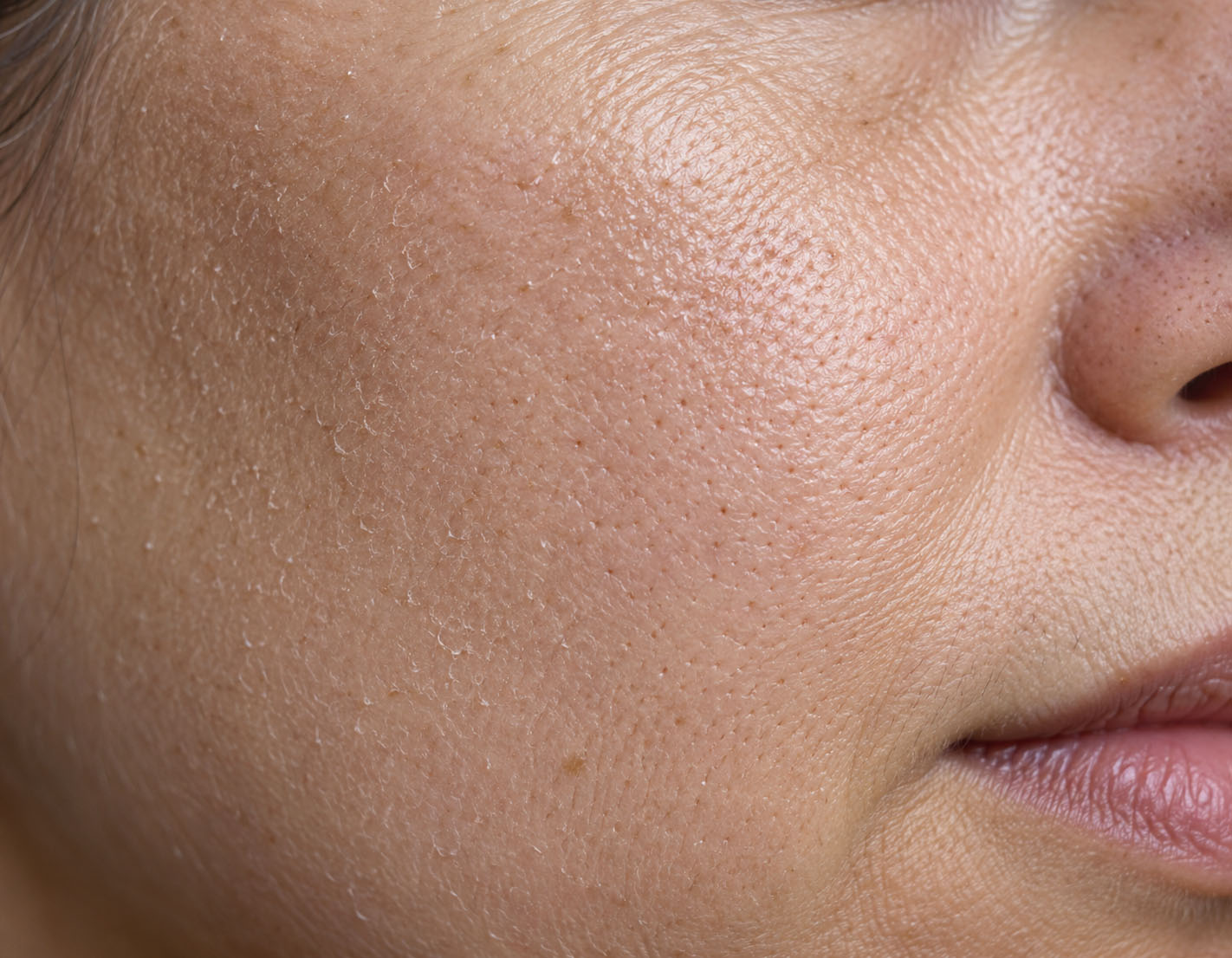
Clinical educational visualization of dehydrated facial skin with uneven surface reflection
Educational surface visualization
Surface modifier

Texture and Dehydration

Dehydration may produce fine surface roughness and irregular light reflection. It does not necessarily enlarge the follicular structure itself.

It may nevertheless make existing pores appear more visible by increasing surface contrast.

Amplifies visual contrast

Usually Multifactorial

Several mechanisms may coexist

A patient may simultaneously present increased sebum, retained keratin and reduced perifollicular support. Treatment should prioritize the dominant mechanism without ignoring secondary contributors.

Visibility Is Not Permanent Size

Avoid misleading “open and close” language

Changes in oil, congestion, texture and surface reflection may modify how large pores appear. This does not mean that pores mechanically open or close, nor that an anatomical follicular opening can be permanently erased.

Clinical Decision

Patient Selection

Select the Mechanism Before Selecting the Protocol

Visible pores are not a diagnosis by themselves. Appropriate patient selection begins by identifying the dominant mechanism, evaluating the surrounding skin and establishing a realistic therapeutic objective.

The Central Selection Principle

The most suitable candidates are patients whose pore visibility is primarily related to sebaceous activity, retained keratin, irregular follicular surface texture or reduced perifollicular support. When atrophic scarring is dominant, pore treatment alone cannot address the entire structural problem.

A

Appropriate Candidates

Proceed after assessment

  • Clearly visible facial pores with a recognizable clinical pattern.
  • Sebum-associated follicular prominence, particularly within the central face.
  • Retained keratin or superficial follicular congestion without active inflammatory lesions.
  • Uneven texture associated with photoaging or reduced perifollicular support.
  • Stable skin condition and ability to follow the complete homecare sequence.
  • Realistic expectations focused on improved visibility, texture and uniformity.
B

Adapt the Strategy

Individualize intensity and timing

  • Thin, reactive or clinically dehydrated skin requiring progressive preparation.
  • Mixed phenotypes combining sebum, keratin retention, photoaging and textural irregularity.
  • Darker phototypes requiring careful control of inflammation and post-treatment response.
  • Previous aggressive resurfacing or repeated procedures with uncertain barrier recovery.
  • Predominantly scar-related depressions requiring a broader corrective strategy.
  • Poor tolerance of complex routines, requiring a simplified and closely supervised plan.
C

Reconsider the Objective

Clarify before treatment

  • Expectation that pores can be permanently closed, erased or anatomically removed.
  • Desire for an immediate result without preparation, homecare or maintenance.
  • Self-diagnosed “large pores” that are primarily scars, active acne or dehydration lines.
  • Inability or unwillingness to comply with the prescribed treatment sequence.
  • Unstable skin condition requiring diagnosis or stabilization before elective peeling.
  • Expectations disproportionate to the visible clinical findings.

Profiles Most Likely to Benefit

Four frequent treatment-oriented presentations

Seborrheic Profile

Increased surface oiliness with prominent follicular openings and central facial predominance.

Retention Profile

Keratin accumulation, follicular congestion and an irregular but non-inflamed surface.

Photoaging Profile

Reduced elasticity and declining support around follicles, with broader textural alteration.

Combined Profile

Several mechanisms coexist and must be treated in a clinically prioritized sequence.

Document the Baseline

Compare under reproducible conditions

Consistent baseline documentation helps distinguish true clinical change from variations caused by lighting, skin shine, camera distance or facial position.

Dominant clinical phenotype
Sebum and keratin distribution
Degree of perifollicular support
Presence of scars or inflammation
Standardized frontal photographs
Oblique photographs in equal lighting
Clinical Decision

Select patients according to the mechanism that makes their pores visible, not according to pore size alone. The therapeutic objective is a smoother, more uniform and better-supported surface—not the elimination of normal follicular anatomy.

Safety Screening

Contraindications

Know When Not to Peel

Aesthetic indication never overrides patient safety. Before beginning the enlarged pores protocol, identify conditions that prohibit treatment, require temporary postponement or demand an individualized medical strategy.

Do Not Treat Through Active Disease

Peeling must never be used to conceal, bypass or treat through an undiagnosed inflammatory, infectious or malignant process. When the clinical presentation is uncertain, establish the diagnosis before performing an elective procedure.

Do Not Treat

Contraindications

  • Pregnancy or lactation.
  • Active bacterial, viral or fungal infection within the treatment area.
  • Active inflammation, open wounds, erosions or impaired epidermal integrity.
  • Suspected, untreated or confirmed malignant lesion in the treatment area.
  • Uncontrolled diabetes or another uncontrolled systemic condition that may impair healing.
  • Known allergy or previous severe reaction to any component of the planned protocol.
  • Inability to understand or follow the preparation, procedure and homecare instructions.
  • Unrealistic expectations or refusal to accept the limitations of treatment.

Postpone Treatment

Temporary exclusion

  • Recent facial surgery or an incompletely healed procedure performed within the previous three months.
  • Recent aggressive resurfacing, dermabrasion or another procedure with incomplete barrier recovery.
  • Recent sunburn, acute erythema or clinically irritated skin.
  • Active acne flare, dermatitis, eczema, psoriasis or rosacea within the planned treatment area.
  • Recent picking, waxing, abrasion or another source of local epidermal injury.
  • Current systemic illness or medication change that has not yet been medically assessed.
  • Inadequate completion of the prescribed home preparation.
  • Any unexplained lesion requiring diagnosis before elective treatment.

Evaluate and Adapt

Medical precautions

  • History of post-inflammatory hyperpigmentation or prolonged discoloration after procedures.
  • Darker phototypes requiring conservative intensity and careful control of inflammation.
  • History of hypertrophic scars, keloids or delayed wound healing.
  • History of recurrent herpes simplex in or near the treatment area.
  • Use of systemic retinoids or other medication potentially affecting skin integrity or healing.
  • Thin, reactive, sensitized or clinically dehydrated skin.
  • Immunosuppression or a systemic disorder that may alter recovery.
  • Previous adverse reaction to a peel or an incompletely documented cosmetic procedure.

Mandatory Pre-Treatment Screen

Verify before every treatment session

Current Skin Condition

Is the treatment area intact, stable and free from active infection, inflammation, wounds or suspicious lesions?

Medical History

Are diabetes, immune disorders, healing abnormalities or other relevant systemic conditions adequately controlled?

Medication Review

Could a current or recently discontinued medication modify skin sensitivity, inflammation, pigmentation or healing?

Previous Procedures

Has the skin completely recovered from surgery, resurfacing, injections or another recent aesthetic procedure?

Previous Reactions

Has the patient experienced herpes reactivation, pigment alteration, prolonged erythema, allergy or abnormal scarring?

Patient Compliance

Can the patient follow the preparation, post-treatment instructions and maintenance strategy without improvisation?

Phototype Is Not a Diagnosis

A darker phototype is not, by itself, a contraindication. It modifies risk assessment and treatment strategy. The decision must consider baseline pigmentation, inflammatory tendency, previous pigmentary responses, skin preparation and the intensity of the planned procedure.

Final Safety Rule

When safety, diagnosis, healing capacity or patient compliance remains uncertain, postpone treatment. A delayed procedure can be rescheduled; an avoidable complication cannot be undone.

Clinical Strategy

Protocol Selection Matrix

Prepare · Treat · Support · Individualize

Product selection follows the dominant mechanism responsible for visible pores. The essential sequence remains clinically coherent, while preparation, supportive care and long-term maintenance are adapted to the patient’s skin condition.
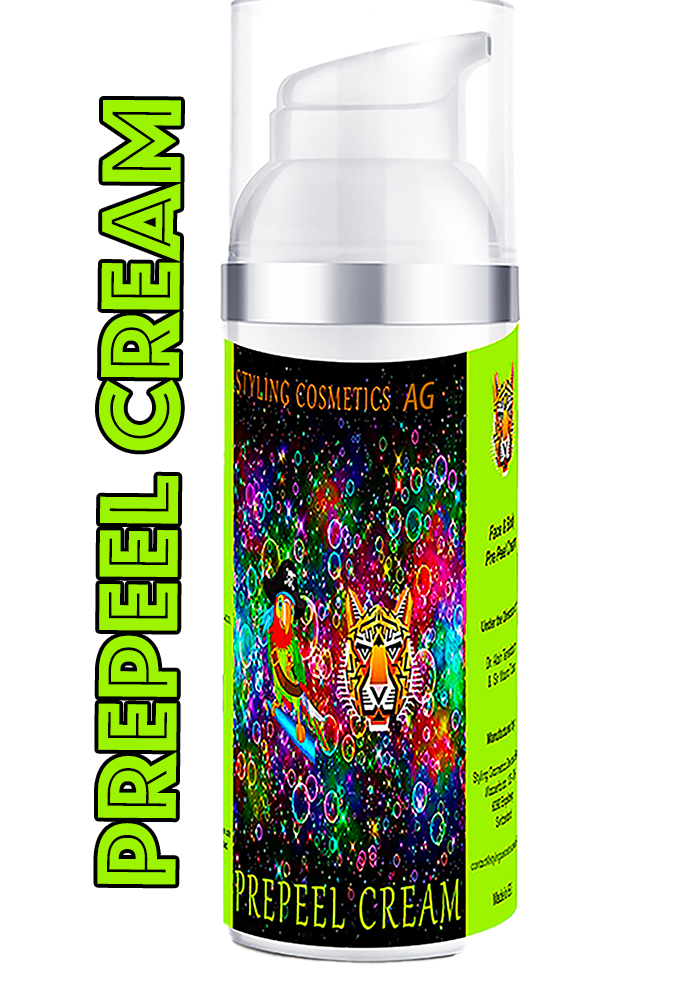
PrePeel preparatory cream
Phase 01 · Home Preparation

Begin with PrePeel

Prepare the Surface Before the Professional Session

PrePeel belongs before the in-office procedure. It is used during the prescribed preparation period to improve surface regularity, address excess sebum and retained keratin, and make the professional sequence more predictable.

  • Used before—not during—the main professional peeling sequence.
  • Particularly relevant in seborrheic and retention-dominant profiles.
  • Duration and frequency are prescribed according to skin tolerance.
  • Discontinue and reassess if clinically significant irritation develops.

Professional Treatment Core

The essential in-office sequence

Once home preparation is complete and the skin is clinically stable, the professional sequence proceeds through mandatory cleansing, metabolic peeling, the peel-off phase and the immediate supportive finish.
02–05 Professional Session
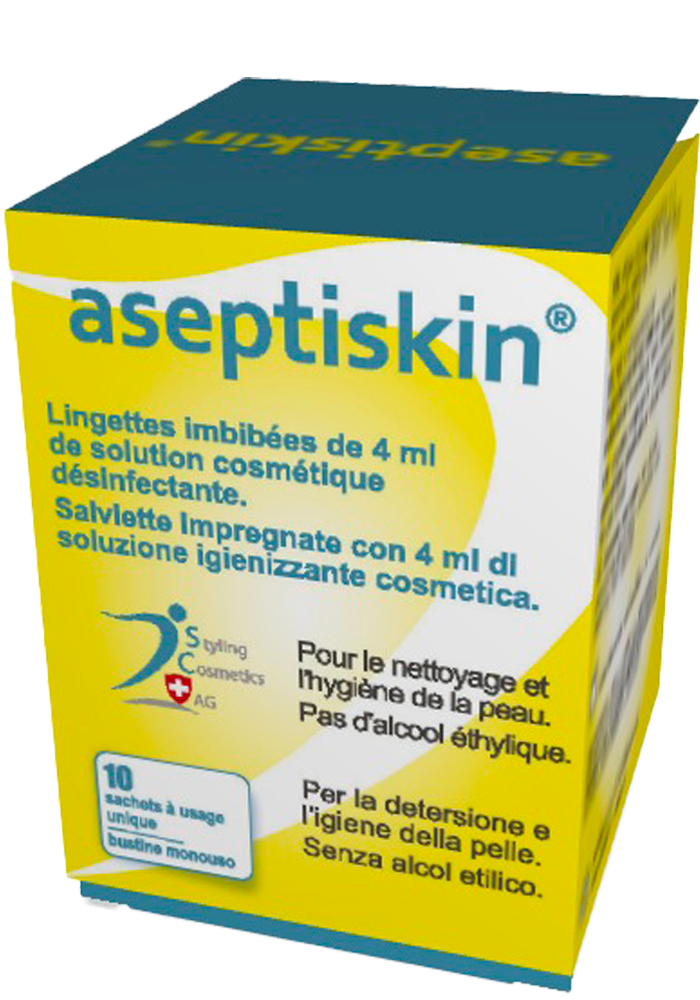
Aseptiskin professional skin cleanser

Step 02 · Mandatory Cleansing

Aseptiskin

Clean the entire treatment area and remove surface contamination before applying the professional peel.

Mandatory in every protocol
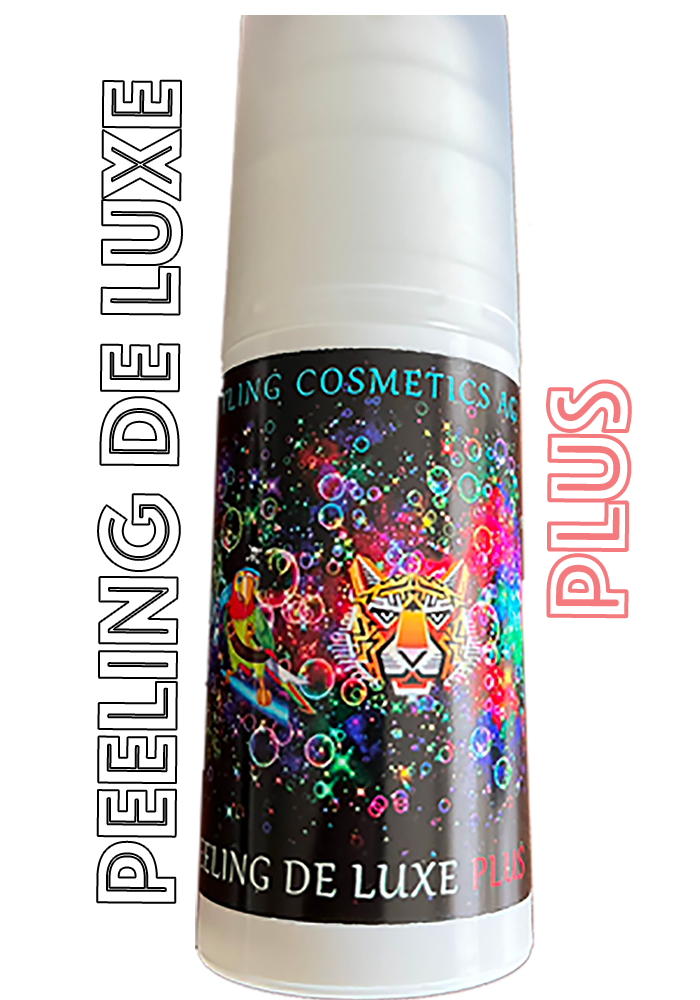
Peeling de Luxe Plus professional metabolic peel

Step 03 · Professional Peel

Peeling de Luxe Plus

Apply according to the professional protocol after Aseptiskin has dried completely.

Core metabolic treatment
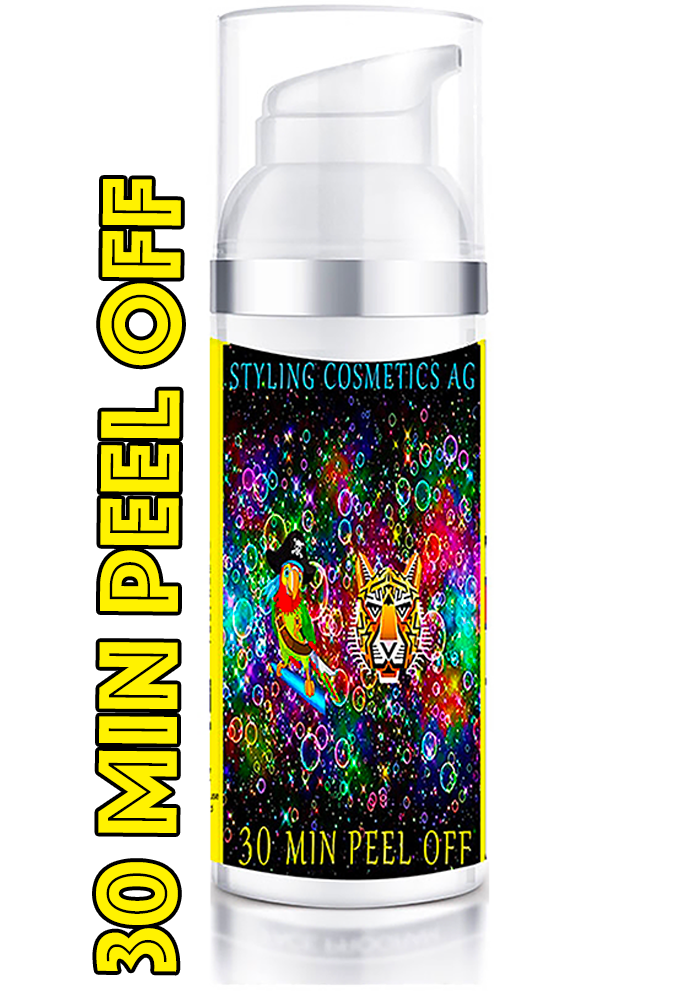
30 Min Peel Off professional mask

Step 04 · Peel-Off Phase

30 Min Peel Off

Apply a sufficiently thick and even layer over the treated area, then allow the mask to complete its professional action.

Recommended contact: 45–60 minutes
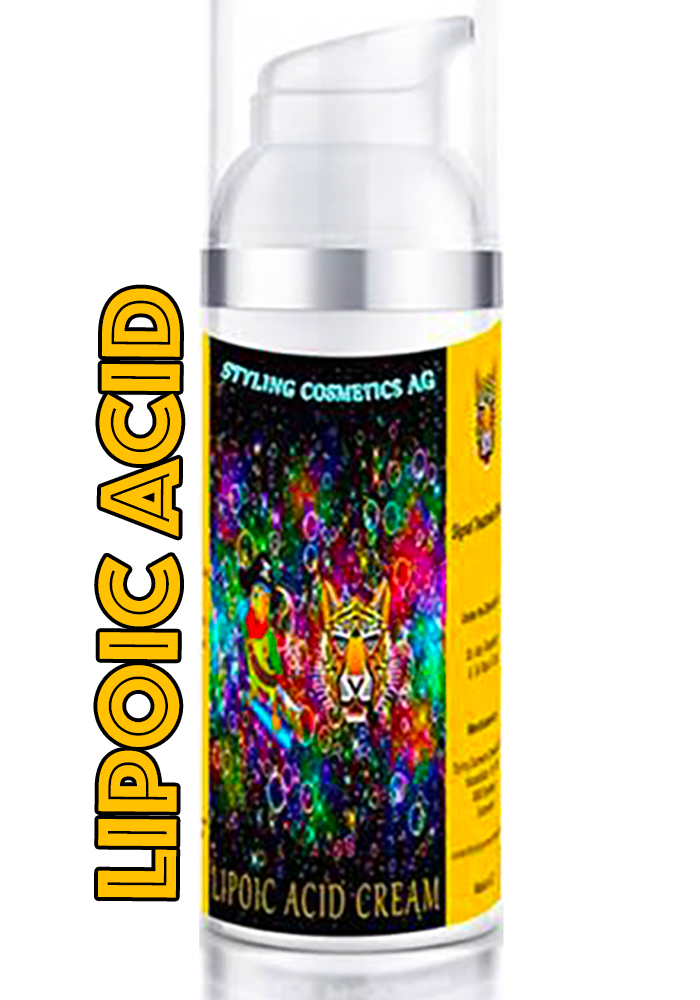
Lipoic Acid Cream for immediate post-procedure support

Step 05 · Immediate Finish

Lipoic Acid Cream

Apply after complete removal of the peel-off mask and massage thoroughly over the treated face and neck.

Immediate finish and take-home care

Seven-Day Homecare

Morning and evening have different functions

The patient leaves the clinic with the prescribed products and follows the sequence without adding unapproved cosmetics during the initial recovery period.
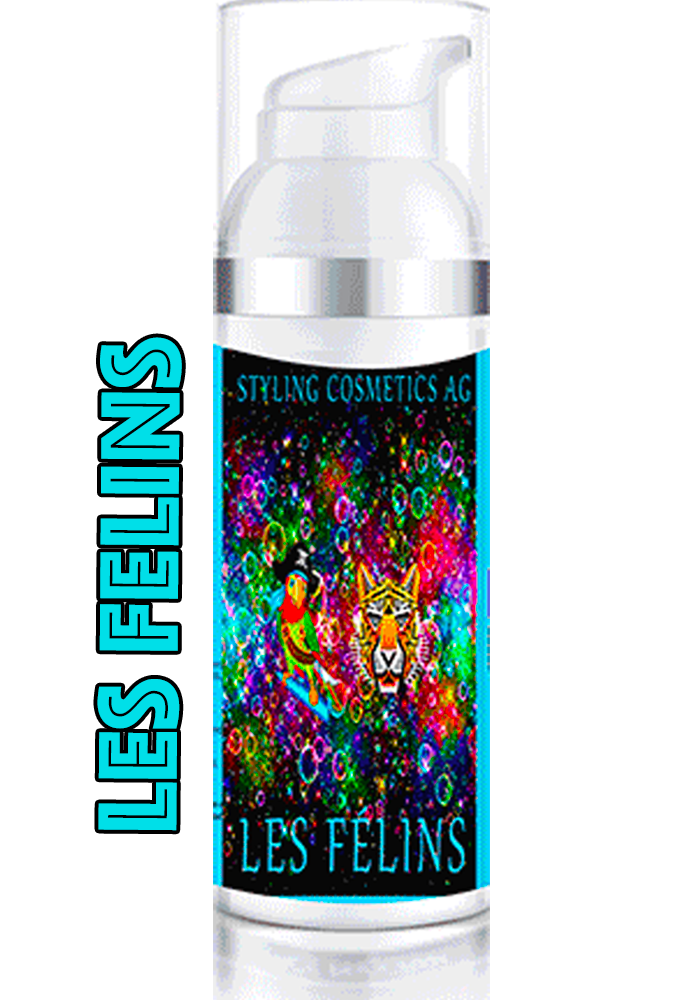
Les Félins daily morning moisturizer

Morning

Les Félins

Fast-penetrating daily moisturizer selected for morning comfort, rapid absorption and clean surface hydration.

Apply every morning
Lipoic Acid Cream for seven-night homecare

Evening

Lipoic Acid Cream

Continue the prescribed metabolic support at home during the initial post-treatment period.

Apply nightly for seven days

Clinical Modifiers

Add only when the associated indication is present

These products do not replace the protocol core. They are selected according to barrier condition, long-term maintenance requirements or associated pigmentary findings.
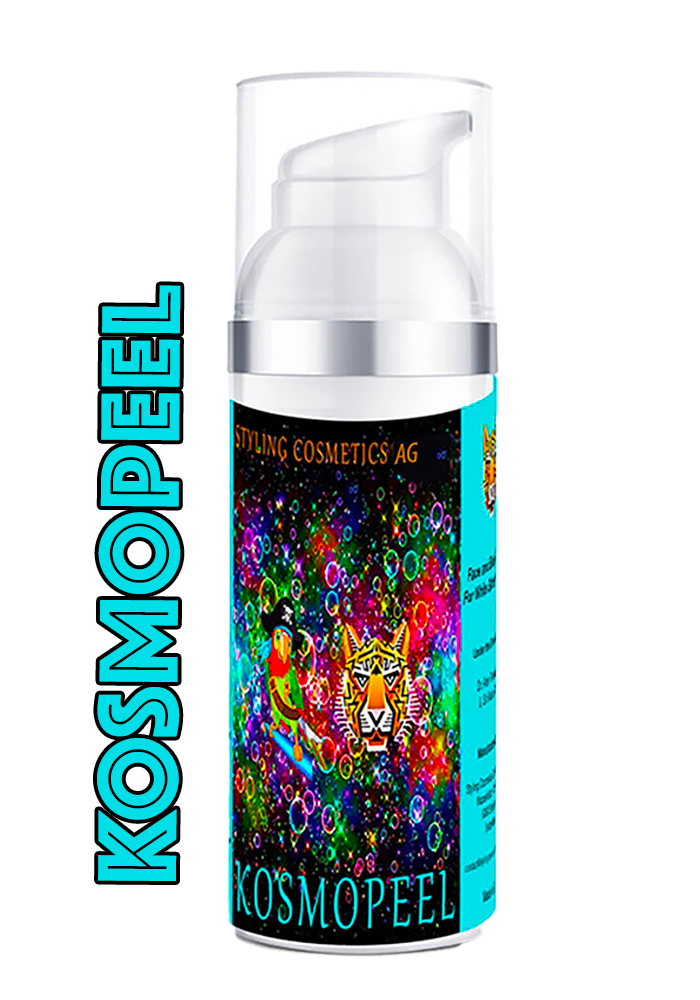
KosmoPeel physiological barrier protection cream

Protective Modifier

KosmoPeel

Select when physiological, ceramide-based protection of the lipid barrier and dermoepidermal environment is required.

Protect · Physiological barrier support
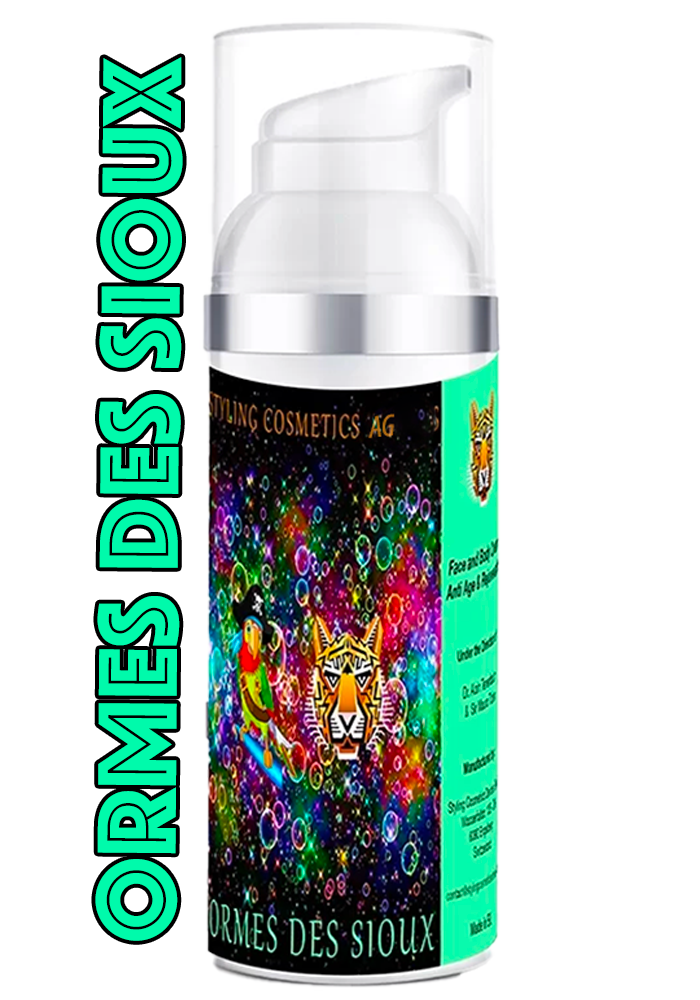
Ormes des Sioux long-term barrier stability cream

Maintenance Modifier

Ormes des Sioux

Select for long-term barrier stability, improved water retention and continued maintenance of surface quality.

Stabilize · Long-term maintenance
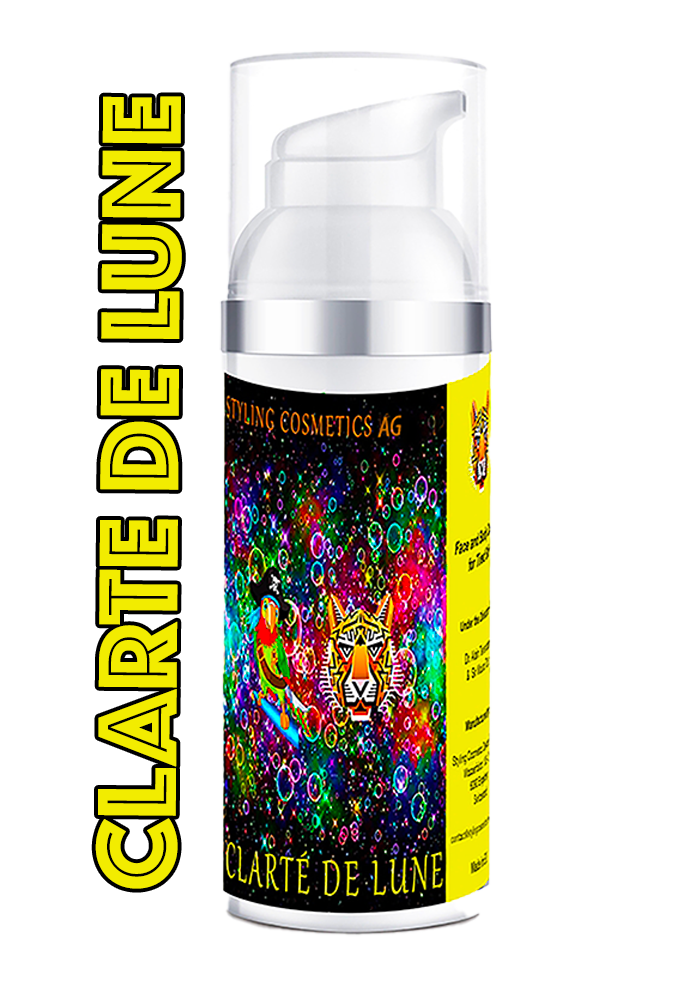
Clarté de Lune cream for associated facial spots

Pigmentary Modifier

Clarté de Lune

Consider when visible pores coexist with facial spots or a clinically relevant pigmentary component.

Add for spots—not for pore size alone

Selection by Dominant Phenotype

Keep the core · Modify the emphasis

Seborrheic Oil-associated follicular prominence.
Preparation compliance, thorough cleansing and controlled management of surface oil and follicular contrast.
PrePeel Aseptiskin Full professional core Les Félins AM Lipoic PM
Reduced surface oiliness does not mean that normal follicular anatomy has been permanently altered.
Retained Keratin Congestion and irregular superficial texture.
Pre-treatment surface preparation and progressive normalization of the follicular environment.
PrePeel priority Aseptiskin Full professional core Seven-day homecare
Active inflammatory acne must be stabilized before an elective pore protocol.
Reduced Support Photoaging-related loss of perifollicular firmness.
Progressive improvement of texture and the visible surface surrounding follicular openings.
Full professional core Les Félins AM Lipoic PM Ormes maintenance
Structural improvement is progressive and requires a treatment course followed by maintenance.
Reactive or Dehydrated Surface roughness increases apparent pore contrast.
Stabilize the surface first, extend preparation when necessary and use conservative progression.
Adapt PrePeel Aseptiskin mandatory KosmoPeel protection Ormes stabilization
Do not intensify treatment while the skin remains inflamed, injured or clinically unstable.
Pores with Spots Follicular visibility with an associated pigmentary component.
Treat pore visibility according to its dominant mechanism while managing the pigmentary concern as a separate component.
Full professional core Clarté de Lune Individual maintenance
Clarté de Lune is selected because spots coexist; it is not presented as a product that anatomically closes pores.
Scar-Related Atrophic depressions resembling enlarged pores.
Improve the surrounding surface while documenting the true scar component separately.
Core as adjunct Recovery support Realistic endpoint
Deep atrophic scars cannot be treated as enlarged pores alone.

Product Name Is Not the Removal Time

“30 Min Peel Off” is the commercial product name. Within this protocol, the mask is generally removed after 45–60 minutes, according to the professional assessment, applied thickness and observed skin tolerance.

Selection Rule

PrePeel prepares the patient before the session. Aseptiskin begins the professional procedure. The core treatment remains coherent, while supportive products are selected according to the dominant clinical need rather than added indiscriminately.

Pre-Treatment Preparation

Prepare Before You Peel

A More Predictable Professional Starting Point

The professional procedure does not begin on the day of treatment. Pre-treatment preparation starts earlier by improving surface regularity, identifying intolerance and preparing the skin for a more controlled clinical sequence.

PrePeel preparatory cream before professional chemical peeling
Preparatory Product

PrePeel

Prepare · Regularize · Optimize

PrePeel is the preparatory phase of the enlarged pores protocol. Used before the professional session, it helps improve the condition of an irregular stratum corneum, addresses excess sebum and retained keratin, and creates a more uniform starting point for the subsequent procedure.

  • Prepares the surface before professional peeling
  • Supports a cleaner, more regular stratum corneum
  • Particularly relevant for sebum and keratin retention
  • Allows tolerance to be assessed before the clinic session

The Preparation Period

A clinician-directed sequence before treatment

01

Begin 7–14 Days Before

Start PrePeel during the period prescribed by the clinician. The exact frequency is adapted to the patient’s skin condition, reactivity and dominant pore phenotype.

02

Observe the Skin

Monitor comfort, erythema, dryness and tolerance. Preparation should improve the treatment starting point without producing uncontrolled inflammation.

03

Confirm Readiness

Before the professional session, verify that the surface is intact, stable and free from active irritation, infection or unexplained lesions.

Ready to Proceed

Favorable pre-treatment findings
  • Skin surface is intact and clinically stable
  • No active inflammatory or infectious lesion
  • PrePeel has been tolerated as prescribed
  • No uncontrolled erythema or persistent discomfort
  • The patient has followed the preparation instructions
  • The treatment objective remains clinically realistic

Delay and Reassess

Do not proceed through irritation
  • Persistent burning, marked irritation or increasing sensitivity
  • Open wound, erosion or compromised epidermal integrity
  • Active acne flare, dermatitis or another inflammatory process
  • Recent sunburn or acute erythema
  • Use of unapproved acids, retinoids or abrasive products
  • Any new or unexplained lesion within the treatment area

Do Not Improvise the Preparation

During the preparation period, the patient should not add unapproved exfoliating acids, retinoids, abrasive scrubs or unfamiliar active cosmetics. Combining multiple products may create irritation and make the clinical response less predictable.

Preparation Principle

PrePeel is not an optional decorative step. It prepares the treatment field before Aseptiskin begins the professional procedure and gives the clinician an opportunity to evaluate tolerance before performing the complete protocol.

In-Office Clinical Sequence

Professional Procedure

Clean · Treat · Occlude · Finish

The procedure follows a fixed clinical order. Each product performs a distinct function, and the sequence should not be shortened, reversed or modified without a specific professional reason.

Confirm Before Starting

Verify that the skin is intact and clinically stable, confirm completion of the prescribed preparation, review contraindications and document the baseline with standardized frontal and oblique photographs.

01
Aseptiskin professional alcohol-free skin preparation

Mandatory Clinical Preparation

Clean with Aseptiskin

Controlled Preparation Without Alcohol

Apply Aseptiskin over the complete treatment area. Prepare the skin without alcohol-based stripping and allow the surface to become completely dry before applying the next product.

  • Use before every professional peeling sequence.
  • Do not replace with alcohol or a cosmetic cleansing milk.
  • Cover the full face and neck when both areas will be treated.
  • Wait until the surface is completely dry.
Allow approximately 1 minute and verify complete drying
02
Peeling de Luxe Plus professional metabolic peel

Professional Metabolic Peel

Apply Peeling de Luxe Plus

Professional Use Only

Once the skin is completely dry, apply Peeling de Luxe Plus evenly over the face and neck according to the selected professional protocol. Maintain a controlled, homogeneous layer.

  • Apply only after complete drying of Aseptiskin.
  • Distribute evenly over the selected treatment area.
  • Avoid uncontrolled product accumulation in skin folds.
  • Observe the surface response throughout the exposure period.
Leave in place for approximately 15 minutes
03
30 Min Peel Off professional occlusive mask

Professional Peel-Off Phase

Apply 30 Min Peel Off

Apply a Thick and Continuous Layer

Extend 30 Min Peel Off over Peeling de Luxe Plus across the face and neck. The layer must be sufficiently thick and continuous to permit controlled action and clean removal.

  • Cover the complete treated area evenly.
  • Avoid thin, fragmented or rapidly drying edges.
  • Maintain a continuous layer suitable for peel-off removal.
  • Observe the patient throughout the complete exposure period.
Recommended contact time: 45–60 minutes

Remove Without Water

Lift and remove the mask delicately and progressively so the product substrate and retained surface material are removed evenly. Do not use water, cleansing liquid or another wet product to dissolve the mask during removal.

04
Lipoic Acid Cream applied after 30 Min Peel Off removal

Immediate Metabolic Finish

Finish with Lipoic Acid

Apply · Massage · Continue at Home

After complete mask removal and final clinical assessment, apply Lipoic Acid Cream over the face and neck. Massage thoroughly to complete the professional procedure.

  • Apply only after the peel-off mask has been completely removed.
  • Distribute over the full treated surface.
  • Massage gently and thoroughly for approximately three minutes.
  • Provide the patient with Lipoic Acid Cream for evening homecare.
Massage for approximately 3 minutes
Procedure Complete

The patient leaves the clinic with the prescribed homecare products: Les Félins for morning use and Lipoic Acid Cream every evening for seven days. The next section provides the complete day-by-day homecare schedule.

Immediate Post-Procedure Homecare

Days 1–7 Homecare

Morning Comfort · Evening Metabolic Support

During the first seven days, consistency is more important than product quantity. Follow the prescribed morning and evening sequence without adding unfamiliar cosmetics or attempting to accelerate the visible recovery process.

Les Félins morning moisturizer
Every Morning

Les Félins

Rapid Absorption · Daily Comfort

Apply Les Félins in the morning as the daily moisturizer. Its rapid absorption provides comfort and surface hydration without replacing the specific evening function of Lipoic Acid Cream.

Morning · Days 1 through 7
Lipoic Acid Cream for evening homecare
Every Evening

Lipoic Acid

Seven Nights · Prescribed Metabolic Support

Apply Lipoic Acid Cream every evening for seven days according to the prescribed homecare sequence. Do not replace it with an unfamiliar active cream during this initial period.

Evening · Seven Consecutive Nights

Your Seven-Day Schedule

The same clear sequence every day

Day 1
AM Les Félins
PM Lipoic Acid
Day 2
AM Les Félins
PM Lipoic Acid
Day 3
AM Les Félins
PM Lipoic Acid
Day 4
AM Les Félins
PM Lipoic Acid
Day 5
AM Les Félins
PM Lipoic Acid
Day 6
AM Les Félins
PM Lipoic Acid
Day 7
AM Les Félins
PM Lipoic Acid
Days 1–2

Protect the Result

Keep the routine simple and observe the treated surface without manipulating it.

  • Follow the prescribed morning and evening sequence.
  • Do not introduce additional active products.
  • Do not rub, scratch or manually exfoliate the skin.
Days 3–5

Allow Progression

Surface changes must be allowed to evolve naturally without attempts to accelerate removal.

  • Continue Les Félins every morning.
  • Continue Lipoic Acid every evening.
  • Do not pull, peel or remove detached surface material manually.
Days 6–7

Complete and Review

Finish the complete seven-day sequence and prepare for clinical reassessment.

  • Do not stop the sequence early because the skin looks improved.
  • Photograph the surface under reproducible lighting.
  • Record comfort, texture and any unusual reaction.

Do Not Add During Days 1–7

No improvisation during the initial homecare period
Additional exfoliating acids or peeling products
Retinoids or unfamiliar active formulations
Abrasive scrubs, brushes or mechanical exfoliation
Unapproved cosmetics substituted for the prescribed creams

Contact the Practitioner

Report severe or increasing pain, blistering, rapidly progressive swelling, eye involvement, spreading inflammation, discharge or any reaction that appears disproportionate to the expected post-procedure evolution. Do not attempt to correct an unusual reaction with additional cosmetic products.

End of Day 7

After completing the seven-day sequence, reassess the skin before moving to long-term maintenance. Maintenance is selected from the residual clinical need—not automatically from the products used during the first week.

After the Initial Seven Days

Long-Term Maintenance

Reassess · Select · Maintain · Retreatment

Long-term care begins after the initial seven-day homecare sequence. Maintenance is selected according to the patient’s residual clinical need—not by continuing every available product indefinitely.

Reassess Before Changing the Routine

At the end of the first week, evaluate skin comfort, surface integrity, pore visibility, sebum, retained keratin, hydration, pigmentation and the quality of perifollicular support. Select the maintenance objective from what remains clinically visible.

Select One Dominant Objective

Hydrate ≠ Protect ≠ Stabilize ≠ Brighten

These products perform different functions. Selection should follow the dominant maintenance need rather than treating the four products as interchangeable moisturizers.

Les Félins rapid-absorption daily moisturizer
Hydrate

Les Félins

Rapid Penetration · Daily Comfort

Select Les Félins when the priority is rapid moisture supply, clean absorption and immediate daily comfort without a heavy surface feel.

Best selected when: rapid hydration and a fast-penetrating daily moisturizer are required.
KosmoPeel multi-ceramide physiological barrier protection
Protect

KosmoPeel

Multi-Ceramide Physiological Protection

Select KosmoPeel when the maintenance priority is protection of the superficial lipid barrier and support of the basement membrane at the dermoepidermal junction.

Best selected when: the skin requires dedicated, physiological and occlusive barrier protection.
Ormes des Sioux for functional water retention and long-term stability
Stabilize

Ormes des Sioux

Retain Water · Maintain Long-Term Stability

Select Ormes des Sioux when the objective is functional water retention, sustained moisture balance and long-term cutaneous stability between active treatment phases.

Best selected when: the problem is maintaining water and stability over time rather than obtaining rapid hydration.
Clarté de Lune complexion and pigment maintenance cream
Brighten

Clarté de Lune

Tone Harmony · Complexion Continuity

Select Clarté de Lune when enlarged pores coexist with visible spots, dullness or superficial irregularity of tone requiring continued complexion-oriented support.

Best selected when: pigmentation or loss of complexion uniformity accompanies the pore indication.

Retreatment Decision

Never repeat treatment by calendar alone

The decision to perform another professional session is based on recovery, documented response and the persistence of a treatable mechanism.

Continue Maintenance

Result Still Progressing

Continue the selected maintenance strategy when the skin remains stable and visible improvement is still developing.

  • Surface is intact and comfortable.
  • Texture and pore contrast continue to improve.
  • No active inflammation is present.
  • No immediate procedural escalation is required.
Consider Retreatment

Persistent Treatable Mechanism

Consider another session only when recovery is complete and a clearly identified pore mechanism remains clinically relevant.

  • Sebum or keratin retention remains visible.
  • Perifollicular texture remains a treatment priority.
  • The previous session was well tolerated.
  • The next objective can be stated precisely.
Delay Retreatment

Recovery Is Incomplete

Do not repeat the procedure while the skin remains irritated, unstable or has not completed its previous recovery.

  • Persistent erythema or increasing sensitivity.
  • Compromised surface integrity.
  • Active inflammatory or infectious lesions.
  • Unclear diagnosis or disproportionate expectations.

Compare Before Deciding

Compare standardized photographs taken with the same camera distance, lighting, facial position and degree of surface shine. A treatment decision should not be based on photographs produced under visibly different conditions.

Long-Term Strategy

Maintenance preserves and stabilizes the result; it does not require the simultaneous use of every product. Select the dominant objective, monitor the response and repeat the professional protocol only after complete recovery and a documented clinical indication.

Clinical Evolution

Expected Results

Progressive Refinement · Documented Treatment Course

The objective is not to erase normal follicular anatomy. Treatment aims to reduce the visual prominence of pores by improving the surrounding surface, follicular contrast, texture and long-term cutaneous balance.

What May Improve

Clinically visible and photographically documentable changes

01

Pore Contrast

Follicular openings may appear less prominent as surrounding oiliness, keratin retention and surface shadowing are reduced.

02

Surface Texture

The skin surface may appear smoother and more regular, with fewer abrupt transitions around visible follicular openings.

03

Visual Uniformity

Improved surface regularity may produce a more homogeneous reflection of light and a more even-looking complexion.

04

Long-Term Balance

Appropriate maintenance may help preserve hydration, barrier stability and the improved visual relationship between pores and surrounding skin.

Visible Improvement Is Not Pore Erasure

Pores are normal anatomical openings. The realistic endpoint is reduced visibility and improved surface quality—not permanent closure, anatomical elimination or complete correction of deep atrophic scars.

Treatment Course

From baseline to long-term maintenance

BASE

Baseline Assessment

Identify the dominant phenotype and document frontal, oblique and close-up views under reproducible conditions.

1–7

Initial Homecare

Follow Les Félins every morning and Lipoic Acid Cream every evening while the immediate cutaneous response evolves.

D7+

First Reassessment

Evaluate surface integrity, comfort, texture, sebum, follicular contrast and any remaining pigmentary component.

NEXT

Clinical Decision

Continue maintenance, modify the supportive product or consider another session only after complete recovery.

LONG

Long-Term Control

Maintain the result according to the dominant need and periodically compare standardized clinical documentation.

Why Results Vary

Response depends on more than the product alone
Dominant pore phenotype and degree of sebaceous activity
Amount of retained keratin and follicular congestion
Degree of photoaging and perifollicular support
Presence of atrophic scarring or active inflammation
Completion of preparation and seven-day homecare
Long-term maintenance and patient compliance

Results Must Be Documented

Clinical impressions should be confirmed with standardized photography. The following documentation section separates the complete facial view from the magnified cutaneous analysis so that each image has a distinct and clearly stated purpose.

Clinical Expectation

Improvement may be visible after an initial session, but treatment course and maintenance remain individualized. Repeat treatment only after complete recovery, documented reassessment and confirmation that a treatable mechanism remains.

Clinical Case Documentation

Clinical Documentation

One Clinical Result · Two Complementary Views

The following images document one metabolic peeling result at two different levels of observation: a complete facial overview followed by a magnified analysis of selected cutaneous areas.

One Patient · One Treatment Result

The two documents below belong to the same clinical case. They are not two separate results and should be interpreted together.
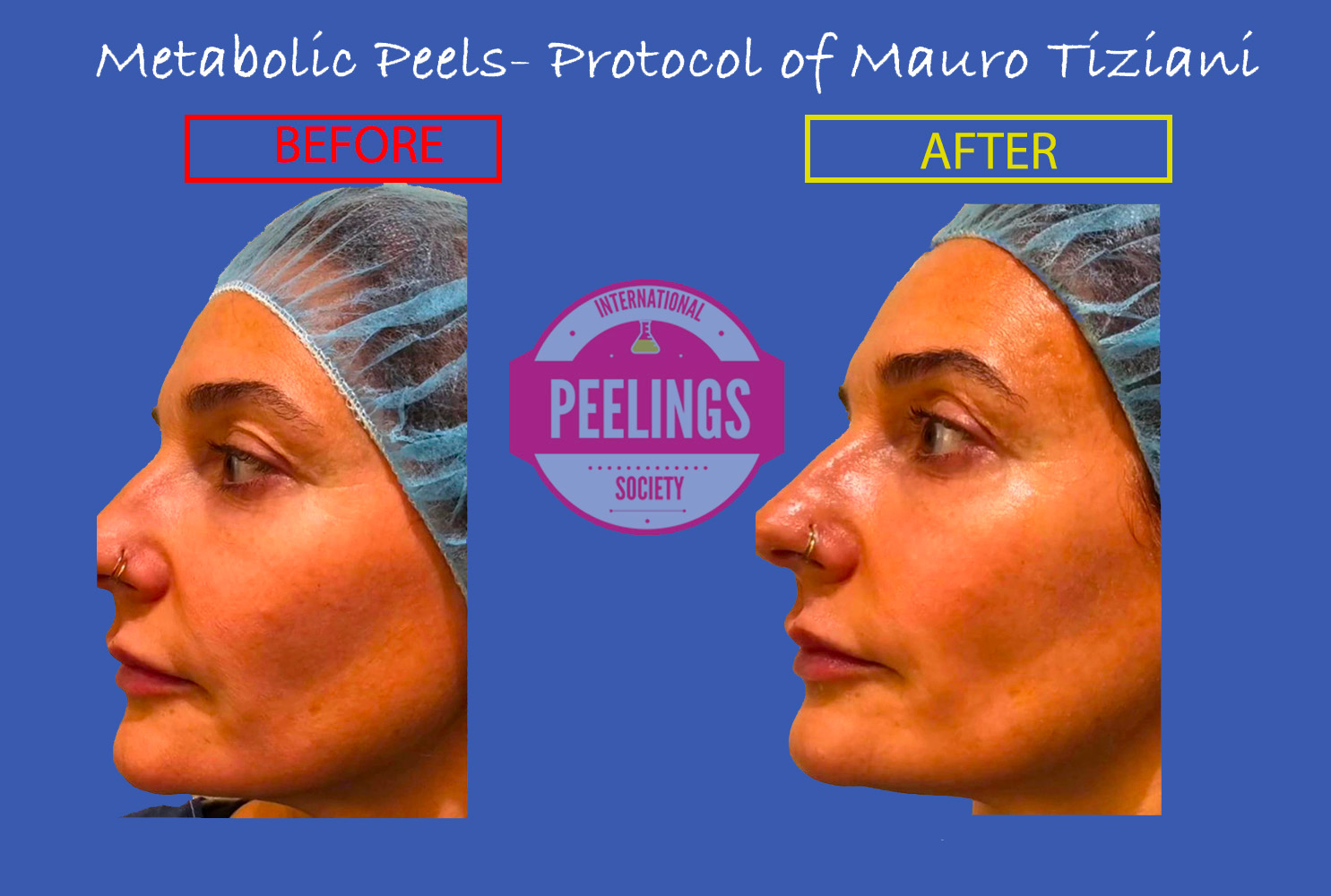
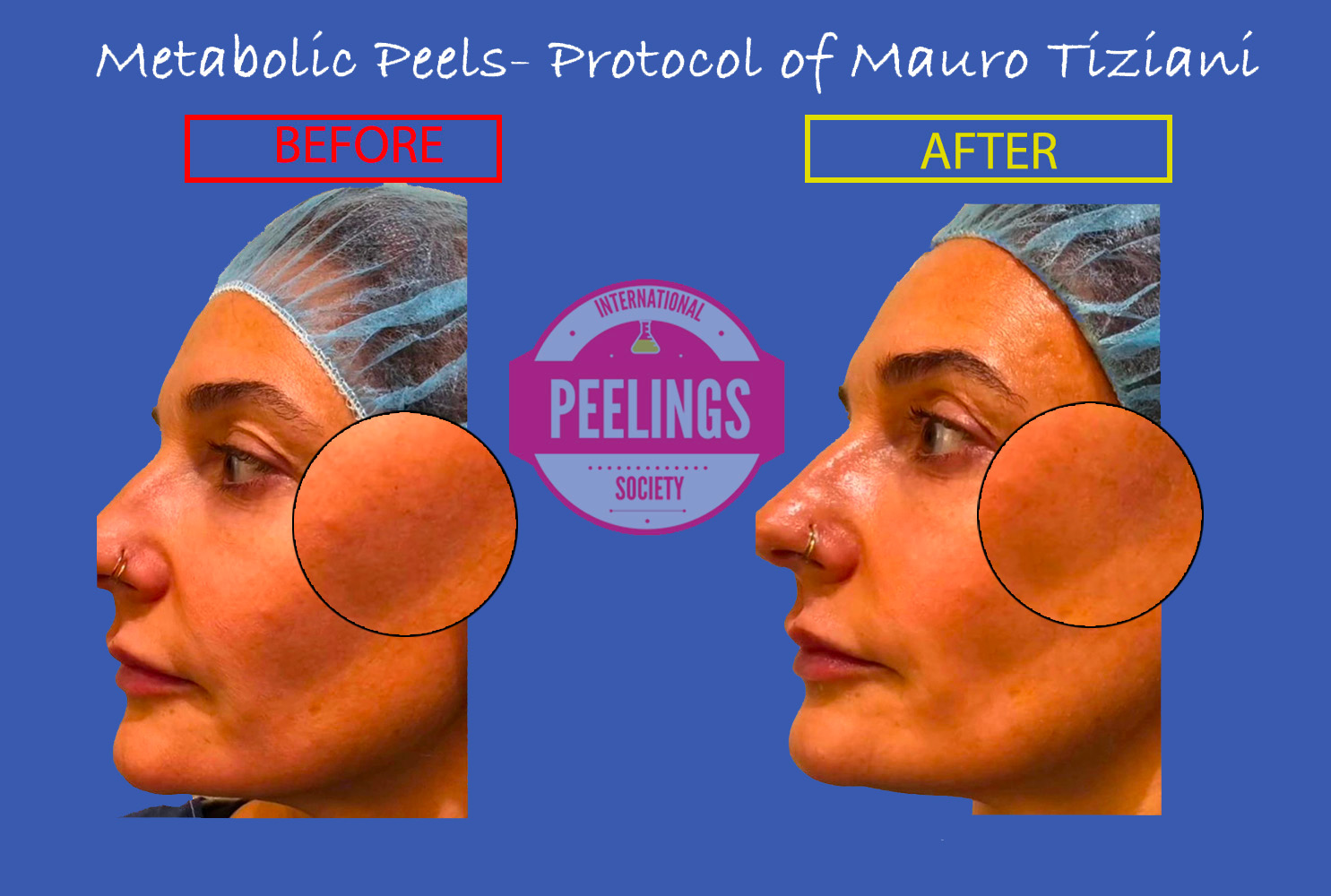
Global View + Magnified Detail
01
Complete Clinical Overview

Full Facial Result

Global Assessment
Complete facial before-and-after overview following a metabolic peeling protocol Complete Facial View
What this view documents The global facial image allows assessment of overall surface uniformity, complexion appearance and the visual relationship between pores and the surrounding skin.
02
Magnified Analysis

Cutaneous Surface Detail

Enlarged Observation
Magnified cutaneous before-and-after detail from the same metabolic peeling clinical case Magnified Cutaneous View
What this view documents The magnified document focuses on selected areas of the same face to permit closer assessment of follicular contrast, surface texture and visible refinement around pore openings.

Not Two Identical Results

The first image preserves the full clinical context. The second is a magnified analytical document derived from the same case. Their purpose is complementary: global assessment first, detailed surface analysis second.

How to Read the Documentation

Observe improvement without overstating the result

Global Observation

Compare overall surface uniformity, facial skin appearance, complexion continuity and the distribution of visible textural irregularities.

Magnified Observation

Examine follicular contrast, local surface smoothness and the visual transition between pore openings and surrounding skin.

Clinical Limitation

The images illustrate one documented result. They do not imply permanent pore closure, identical outcomes in every patient or complete correction of atrophic scars.

Documentation Standard

Reproducibility determines credibility
Same camera distance and focal relationship
Same frontal or oblique facial position
Same lighting direction and intensity
Similar degree of surface shine
No beauty filters or artificial skin smoothing
Magnification clearly identified as an analytical view

Individual responses vary according to clinical phenotype, baseline skin condition, protocol selection, preparation, homecare and maintenance. Photographs document selected clinical observations and do not guarantee an identical result.

Controlled Practice · Early Recognition · Clear Escalation

Safety and Clinical Limitations

Recognize the Expected · Stop the Unexpected

A successful pore protocol depends on appropriate patient selection, conservative technique, documented treatment parameters and active follow-up. Clinical progress must never be pursued at the expense of tissue safety.

A controlled protocol is not a zero-risk protocol. The clinical objective is to improve the visible conditions surrounding the follicular opening—not to force inflammation or eliminate normal anatomical structures.

Expected Evolution

Observe and document

  • Mild, gradually improving redness
  • Temporary tightness or dryness
  • Transient increase in skin sensitivity
  • Light and variable surface flaking
  • Progressive return to a comfortable skin state
  • >

Expected responses should remain proportionate and show a general trend toward improvement.

Stop and Reassess

Do not continue automatically

  • Unexpected or rapidly increasing pain
  • Intense focal reaction in one treatment zone
  • Rapid or disproportionate edema
  • Blistering, raw skin or epidermal disruption
  • Accidental eye or mucosal exposure

More discomfort is not evidence of greater clinical efficacy.

Prompt Evaluation

Escalate without delay

  • Spreading redness or rapidly increasing swelling
  • Increasing pain, fever or systemic symptoms
  • Oozing, pus or honey-colored crusting
  • Grouped vesicles or suspected viral reactivation
  • Worsening after an initial period of improvement
  • Eye involvement or any visual disturbance

These signs require timely medical assessment rather than routine home observation.

What the Protocol Cannot Promise

Clinical improvement must be described honestly

LIMIT 01

Pores Cannot Be Erased

Follicular openings are normal anatomical structures. Treatment may make them less conspicuous, but it cannot permanently close or remove them.

LIMIT 02

Not Every Depression Is a Pore

Atrophic acne scars, focal tissue loss and other surface depressions require a separate diagnosis and may need a different treatment strategy.

LIMIT 03

Response Is Individual

Sebum activity, keratin retention, age, photodamage, scarring and tissue support all influence the speed and extent of improvement.

LIMIT 04

Maintenance May Be Necessary

The biological factors that make pores more visible can recur. Results therefore depend on continued homecare and appropriately timed reassessment.

LIMIT 05

Pigmentary Change Is Possible

Irritation and excessive inflammation may contribute to post-inflammatory pigment alteration, particularly in susceptible skin types.

LIMIT 06

Diagnosis Comes First

This protocol does not replace clinical diagnosis, individualized medical judgment or the investigation of an atypical skin condition.

Never Use Intensity as a Shortcut

This protocol does not justify

  • Continuing treatment through severe or unexpected pain
  • Increasing layers or exposure without clinical justification
  • Shortening the recovery interval to accelerate results
  • Stacking additional peels without reassessment
  • Replacing protocol products with uncontrolled substitutes
  • Allowing a suspected complication to be self-managed remotely

If an Unexpected Reaction Occurs

A clear professional response pathway

  1. Stop the active procedure and avoid further exposure or additional treatment.
  2. Assess the reaction, including pain, edema, distribution, epidermal integrity and eye involvement.
  3. Document the event with photographs, timing, products, batch or lot numbers and treatment parameters.
  4. Stabilize according to the clinic’s medical protocol and the practitioner’s authorized scope of practice.
  5. Escalate promptly when red flags, diagnostic uncertainty or progressive symptoms are present.
  6. Arrange proactive follow-up and review the probable cause before considering any future treatment.
Urgent clinical situations

Severe pain, rapidly spreading swelling, signs of infection, extensive blistering, eye exposure or visual symptoms require immediate in-person medical evaluation.

Professional clinical information only. The emergency resource is not a substitute for examination, diagnosis or immediate medical care. Patients should not self-medicate a suspected complication.

Clinical Questions · Clear Answers

Frequently Asked Questions

Enlarged Pores · Professional Protocol Intelligence

Enlarged pores rarely have one single cause. These answers clarify what the protocol can achieve, how its different products work together and why treatment must remain individualized.

Open each question

The protocol should always be adapted to the dominant clinical phenotype, skin condition, treatment history and observed response.

01 Can enlarged pores be permanently closed?

No. Pores are the visible openings of pilosebaceous follicles and are part of normal skin anatomy. They cannot be permanently closed or erased.

Treatment aims to make them less visible by improving retained keratin, excessive surface sebum, irregular texture, dehydration and perifollicular tissue support.

02 Why is PrePeel used before the professional procedure?

PrePeel prepares the skin during the period preceding the session. It helps establish a more uniform clinical starting point and allows the practitioner to evaluate tolerance and patient compliance before performing the professional protocol.

Preparation is not an optional decorative step. It is part of the strategy used to obtain a more controlled and predictable response.

03 Why is Aseptiskin mandatory in this protocol?

Aseptiskin belongs to the professional preparation sequence. It supports consistent cleansing and controlled skin preparation before the active treatment steps.

Skipping this stage introduces an avoidable variable into the procedure. For that reason, Aseptiskin is a mandatory component of the enlarged pores protocol.

04 Is 30 Min Peel Off always removed after exactly 30 minutes?

No. 30 Min Peel Off is the product name; it does not impose an automatic removal time for every patient.

In this protocol, an application period of approximately 45 to 60 minutes may be preferred when clinically appropriate. The final timing remains a professional decision based on the skin, the treatment objective and the observed response.

05 How many sessions are usually required?

There is no universal number. Treatment frequency and total course depend on the dominant pore phenotype, baseline skin condition, previous treatments, recovery quality and the degree of improvement observed at reassessment.

A conservative, documented course is preferable to performing additional sessions according to a rigid calendar. The skin response determines the next step.

06 Are all visible facial depressions enlarged pores?

No. Atrophic acne scars, post-inflammatory depressions and focal tissue loss can resemble enlarged pores, especially under directional lighting.

These conditions must be differentiated before treatment because a scar-related depression may require a different clinical strategy. The protocol should follow the diagnosis—not the visual label alone.

07 Can the protocol be used when the skin is dehydrated?

Dehydrated surface texture can make follicular openings appear more visible, but dehydration does not automatically mean that an active procedure should be performed immediately.

The practitioner must first determine whether the skin is stable enough for treatment or whether barrier support and recovery should come first. Treatment intensity must never compensate for an unstable surface.

08 What should be used during the first seven days?

The seven-day homecare phase is designed to support comfort, surface recovery and protocol continuity. Lipoic Acid is used at night for seven days, while Les Félins is used in the morning.

The patient should follow the prescribed sequence and avoid adding unapproved active products during this controlled recovery period.

09 Is redness or flaking always a sign of a complication?

Mild and improving redness, temporary tightness, sensitivity or light flaking may occur as part of the expected evolution. However, the direction of change is important.

Increasing pain, rapidly spreading swelling, blistering, oozing, eye involvement, signs of infection or deterioration after an initial improvement require prompt professional assessment.

10 Why is long-term maintenance necessary?

The biological factors that increase pore visibility—including sebum activity, keratin retention, dehydration, photodamage and reduced perifollicular support—may continue or recur.

Maintenance helps preserve the improvement obtained during the treatment course. Its purpose is not to chase an impossible “poreless” appearance, but to maintain clearer, more regular and clinically balanced skin texture.

Professional Clinical Protocol

Ready to Treat Enlarged Pores Differently?

Diagnose the Phenotype · Select the Strategy · Control the Response

Effective pore management does not begin with the strongest possible treatment. It begins by identifying why the follicular openings have become more visible and constructing a controlled protocol around that clinical cause.

01 Prepare the Skin
02 Treat the Dominant Phenotype
03 Document and Maintain
Professional clinical guidance Controlled product access Phenotype-based strategy

Professional information only. Product selection and treatment parameters remain subject to individual examination, contraindication screening, clinical judgment and the practitioner’s authorized scope of practice.

Share this page with your network