
Clinical Understanding of Stretch Marks
Stretch marks, or striae distensae, reflect structural disruption of the dermis associated with mechanical distension, hormonal influence, and altered connective tissue behavior.
Stretch marks are not merely pigment lines on the skin. They represent a form of dermal atrophy characterized by collagen fragmentation, elastic fiber alteration, and visible textural change. The clinical appearance varies according to stage, anatomical location, skin tension, and associated inflammatory activity.
In early phases, lesions may appear erythematous or violaceous, while older lesions often become pale, depressed, and atrophic. Treatment strategy must therefore distinguish between inflammatory, pigmentary, and structural components rather than treating all striae as a single surface defect.
- Linear dermal disruption
- Variable erythematous or hypopigmented appearance
- Surface depression and textural irregularity
- Progressive structural weakening of the affected zone

Why Stretch Marks Require More Than Surface-Level Thinking
Stretch marks combine textural alteration, dermal weakening, and sometimes residual vascular or pigment change. A purely cosmetic or superficial approach is often insufficient.
✦
Cream-Only Logic
Topical products may support hydration and maintenance, but established striae usually involve dermal changes that exceed simple superficial care.
Supportive, but rarely sufficient alone in established atrophic striae.
◉
Device-Only Logic
Energy-based methods may help selected patients, but not every case requires a device-centered strategy. Tissue response, tolerance, and treatment goals remain decisive.
Useful in selected cases, but not the only rational pathway.
⚗
One-Technique-Fits-All
Fresh erythematous striae, mature white striae, and deep atrophic lesions do not respond identically. Protocol modulation is essential.
Clinical stage and tissue biology matter more than routine formulas.
The Metabolic Peel Approach to Stretch Marks
In stretch marks, the objective is not simple exfoliation. It is progressive biological stimulation, tissue modulation, and surface improvement within a structurally altered skin zone.
Stretch marks call for a strategy that respects the altered dermal environment. A peel may contribute not only by refining the superficial texture but also by participating in a broader regenerative logic based on epidermal turnover, controlled signaling, and progressive stimulation.
Rather than seeking an unrealistic “erasure” of striae, the goal is improvement in texture, optical blending, tissue quality, and the visible contrast between lesional and surrounding skin.
- Texture-oriented refinement
- Progressive tissue stimulation
- Clinical adaptation to lesion stage
- Integration with supportive home care and maintenance
Surface Refinement
Controlled peel logic may improve roughness and reduce the visual contrast of the striated zone.
Biological Signaling
Repeated sessions may support more coherent epidermal behavior and tissue adaptation over time.
Structural Support
The clinical objective is improvement in skin quality, not an aggressive single-session injury model.
This approach is particularly relevant when the practitioner seeks progressive improvement in skin quality, blending, and tactile refinement.
pKa-Oriented Classification Logic
According to the classification proposed by Alain Tenenbaum, acid selection should be understood through pKa, proticity, and clinical behavior rather than through concentration alone.
In the context of stretch marks, this logic helps guide whether the practitioner seeks stronger keratocoagulative action, more adaptable progressive modulation, or supportive metabolic behavior. The objective is to match chemical behavior to tissue condition and treatment tolerance.
pKa < 3
More reactive acidic behavior with narrower tolerance margin and stronger biological aggressiveness.
- Higher activity profile
- Potentially greater visible effect
- Reduced safety margin
- Requires strict indication control
Examples
TCA, pyruvic acid, salicylic acid
pKa ≈ 3–4
Balanced behavior that allows more progressive and adaptable clinical use across heterogeneous tissue presentations.
- Controlled activity
- Better adaptability
- Useful for repeated sessions
- Favorable modulation profile
Examples
Glycolic, lactic, mandelic, tartaric acids
pKa > 4
Slower dissociation behavior that supports progressive metabolic modulation and long-term skin quality strategies.
- Lower aggressiveness
- Progressive modulation
- High tolerance potential
- Supportive long-term integration
Examples
Azelaic acid and selected buffered systems
Monoprotic
Single dissociation step.
Glycolic, lactic
Diprotic
Dual dissociation behavior.
Malic, tartaric, azelaic
Triprotic
Multiple dissociation steps.
Citric acid
This classification helps frame acid choice as a matter of biological behavior and tissue compatibility rather than simplistic concentration-based hierarchy.
Conceptual Classification Framework — Alain Tenenbaum
Main Clinical Expressions of Stretch Marks
Striae Rubrae
Early stretch marks often show erythematous or violaceous coloration, reflecting a more active and vascular phase.
Striae Albae
Mature white striae are usually more atrophic, less vascular, and more challenging from a structural standpoint.
Textural Atrophy
Visible depression, altered reflectance, and tactile irregularity often remain the most clinically relevant concerns.
Product Integration for Stretch Mark Management
Product choice should follow the clinical objective: preparation, modulation, supportive remodeling, texture refinement, or maintenance of skin quality.
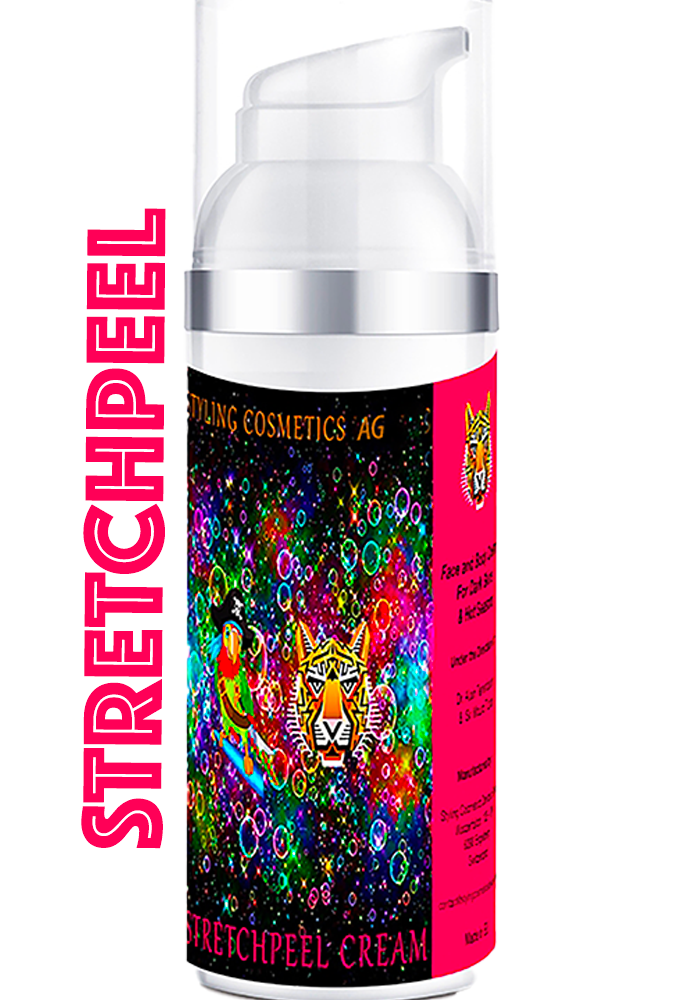
Dedicated Support
Stretchpeel
Particularly relevant when the objective is to support tissue quality, gradual refinement, and a more specific approach to stretch mark management.
- Stretch mark–oriented logic
- Supportive tissue modulation
- Professional integration value
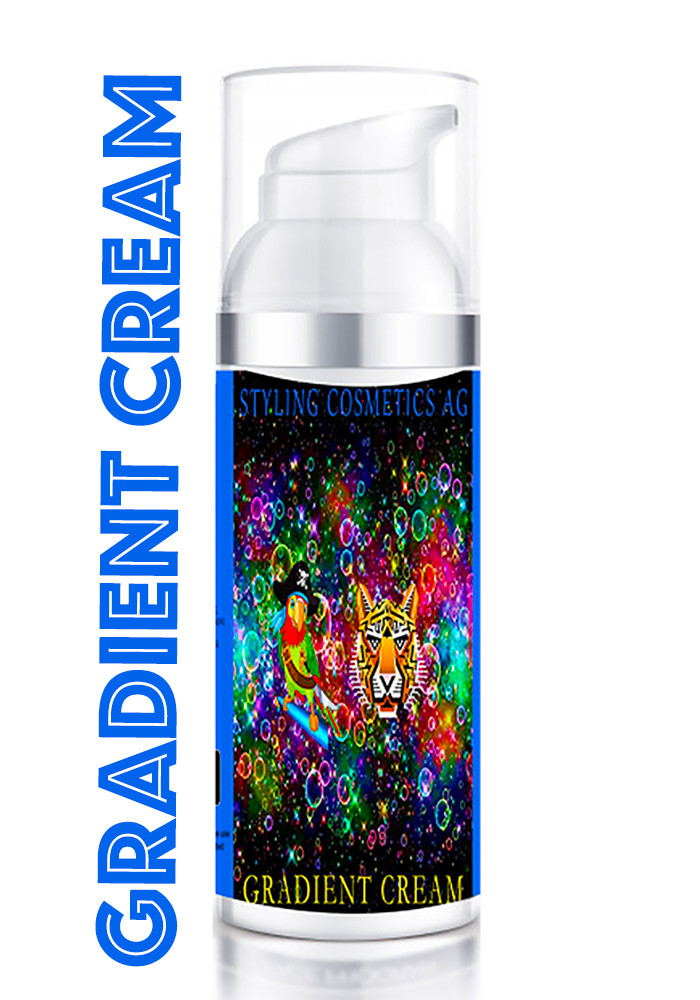
Preparation Phase
Gradient Cream
Useful for preparation, tolerance building, and protocol modulation when the surrounding skin is reactive or when gradual escalation is preferred.
- Preparation logic
- Progressive escalation support
- Useful in heterogeneous tissue conditions
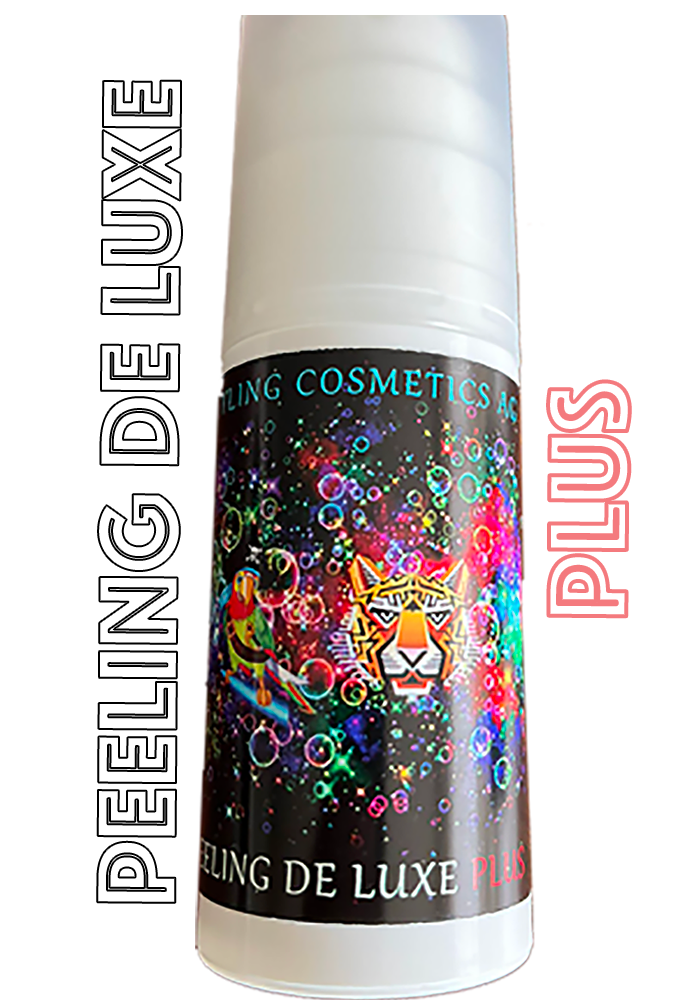
Texture Refinement
Peeling de Luxe Plus
Can be integrated when the priority is surface refinement, skin quality enhancement, and a more premium protocol architecture.
- Surface refinement logic
- Skin quality support
- Professional adjunctive value
Strategic Treatment Planning
Stretch marks usually respond better to staged, repeated, and indication-based management than to a single isolated intervention.
Treatment planning should consider the age of the striae, the degree of atrophy, the anatomical area involved, skin reactivity, and the patient’s expectations. The clinical objective is improvement, not unrealistic disappearance.
- Assess active versus mature lesions
- Evaluate texture, color, and depth
- Adapt intensity to tolerance and site
- Integrate maintenance and supportive care
Expected Direction of Improvement
- Better surface blending
- Reduced visual contrast
- Smoother texture
- Improved skin quality perception
Outcomes depend on lesion chronicity, anatomical site, tissue quality, protocol repetition, and consistency of home maintenance.
Before / After Strategy
This section should document realistic improvement in skin texture, blending, and visual softening of striae without suggesting complete erasure.
Before

After

Best practice: standardize distance, lighting, body position, and timing when documenting stretch mark improvement to preserve clinical credibility.
FAQ
-
Can stretch marks really improve?
Yes. Stretch marks may improve in texture, blending, and overall visual prominence, although complete disappearance is not a realistic clinical promise.
-
Are chemical peels useful for stretch marks?
They may be useful as part of a structured approach, especially when the goal is surface refinement, tissue modulation, and progressive skin quality improvement.
-
Are all stretch marks treated the same way?
No. Fresh red striae, mature white striae, and deeper atrophic lesions differ clinically and do not justify the same treatment logic.
-
How many sessions are usually required?
The number of sessions depends on lesion chronicity, area treated, skin response, and whether the strategy is primarily supportive, corrective, or combined.
-
Why is a staged strategy often preferable?
Because stretch marks involve altered dermal structure, repeated and progressive management is often more rational than a single aggressive intervention.
Related Clinical Topics
Explore related indications that may overlap with tissue quality decline, dermal remodeling, pigment alteration, or body-area treatment planning.