Chemical Peels for Photoaging
Photoaging is not merely a cosmetic concern. It reflects cumulative ultraviolet-induced damage affecting epidermal turnover, dermal architecture, pigment distribution, and overall skin quality. Chemical peeling protocols for photoaging must therefore be designed as structured medical strategies, combining keratoregulation, controlled stimulation, and progressive tissue remodeling rather than relying on isolated aggressive intervention.
Properly designed peeling protocols do not aim at unnecessary destruction. Their purpose is to restore biological order within chronically damaged skin, improve texture and luminosity, soften fine lines, and support long-term structural regeneration with reproducible clinical logic.
Before the Session
As in a melasma protocol, the success of a photoaging protocol begins before the peel itself. Proper preparation improves epidermal regularity, reduces unnecessary irritation, and helps align the treatment with the patient’s real skin condition.
Clinical Preparation
- Evaluate phototype, chronic sun exposure, sensitivity profile, and pigment tendency
- Differentiate chronological aging from true actinic damage
- Assess roughness, fine lines, dyschromia, and textural irregularity
- Review patient expectations, downtime tolerance, and aftercare compliance
- Introduce pre-treatment skin discipline when required
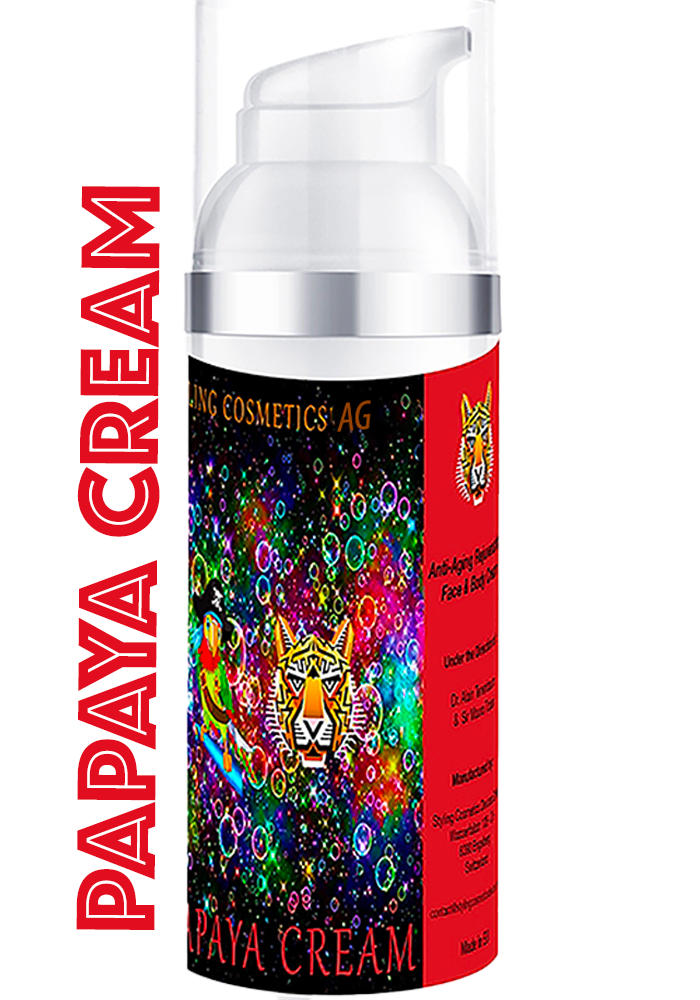
Papaya Cream
Used to progressively normalize the skin surface before the active peeling session. Papaya Cream supports smoother epidermal preparation with an AHA-like effect while remaining more comfortable and better tolerated than harsher preparatory approaches.
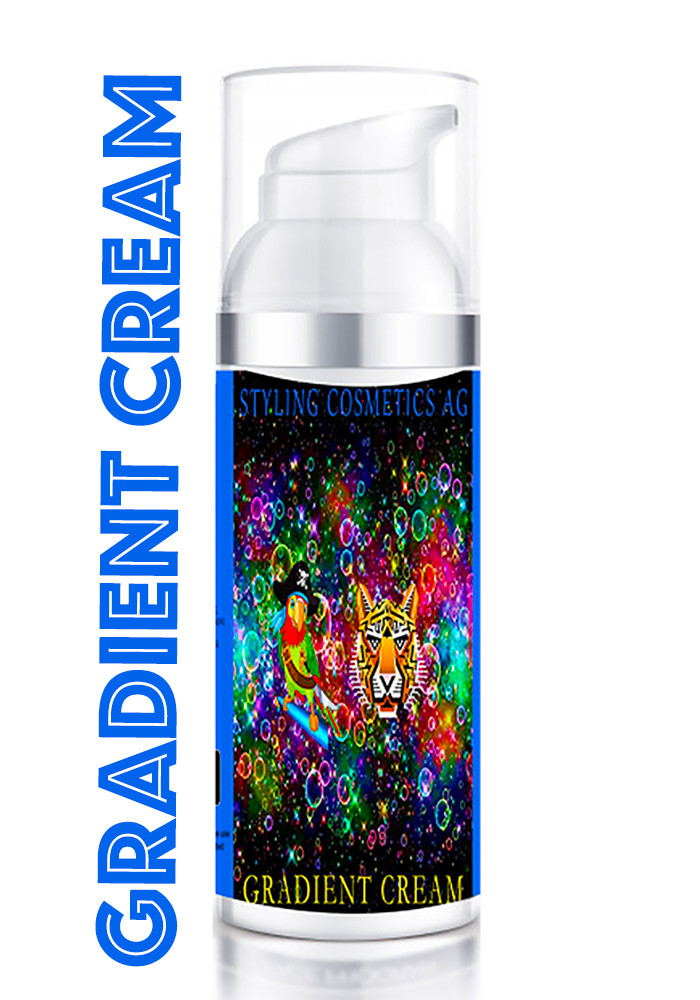
Gradient Cream
May be integrated when a more progressive and structured pre-conditioning strategy is desired. Gradient Cream fits the logic of stepwise skin adaptation before the in-office peel.
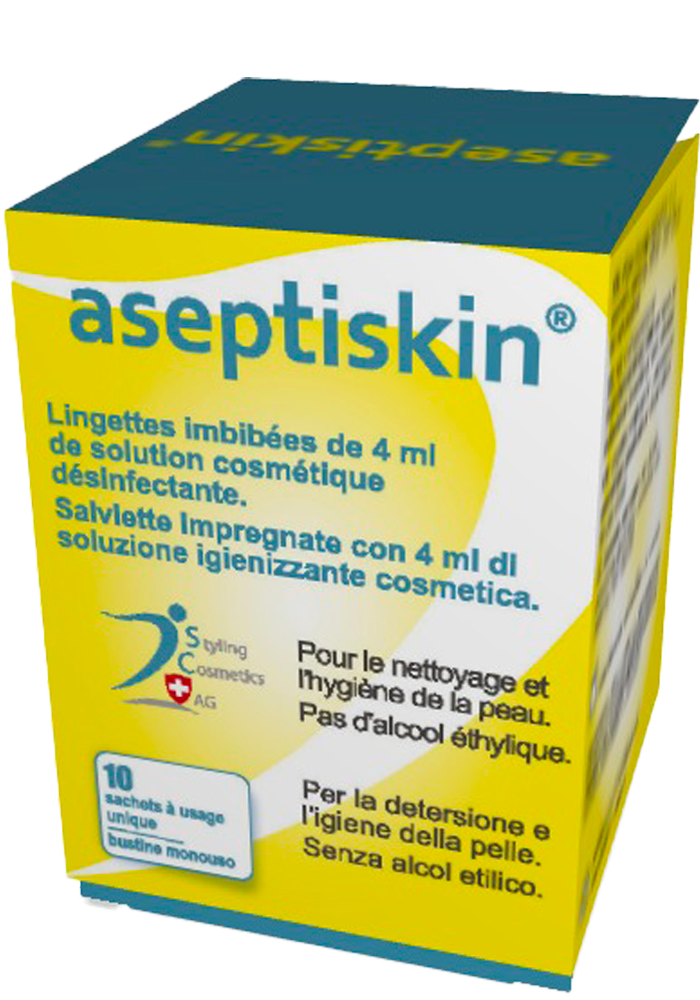
ASEPTISKIN
The only non-irritating cleanser in the protocol phase, used to cleanse the skin without alcohol and without disturbing the barrier. ASEPTISKIN helps create clean and stable conditions before treatment.
Active Treatment Session
This is the procedural core of the protocol. In the same way a melasma protocol defines the attack phase carefully, photoaging treatment must be structured according to indication, biological objective, and skin tolerance. The active session combines mechanical priming, controlled epidermal renewal, intelligent depth modulation, a main in-office peel, and a targeted booster when required.
Session Goal
Improve skin texture, restore luminosity, smooth superficial lines, and progressively support dermal reorganization through a controlled and reproducible protocol.
Peel Depth Logic
Depth is adapted to indication. Superficial, intermediate, or progressive repeated approaches are preferred over unnecessarily aggressive single interventions.
Medical Rationale
Photoaged skin responds best to structured, repeated stimulation. Protocol intelligence lies in combining steps rather than maximizing intensity.
During the Session
- Use Microabrasive Sand Cream for mechanical surface smoothing when skin is thick or irregular
- Use 30 Min Peel Off for controlled chemical epidermal renewal
- Integrate Lipoic Acid Cream to modulate depth and refine protocol intensity
- Apply Peeling de Luxe Plus as the main in-office peel targeting texture and photoaging signs
- Add Stretchpeel when pigment irregularity or tone imbalance is present
- Continuously adapt intensity based on tissue response rather than fixed parameters
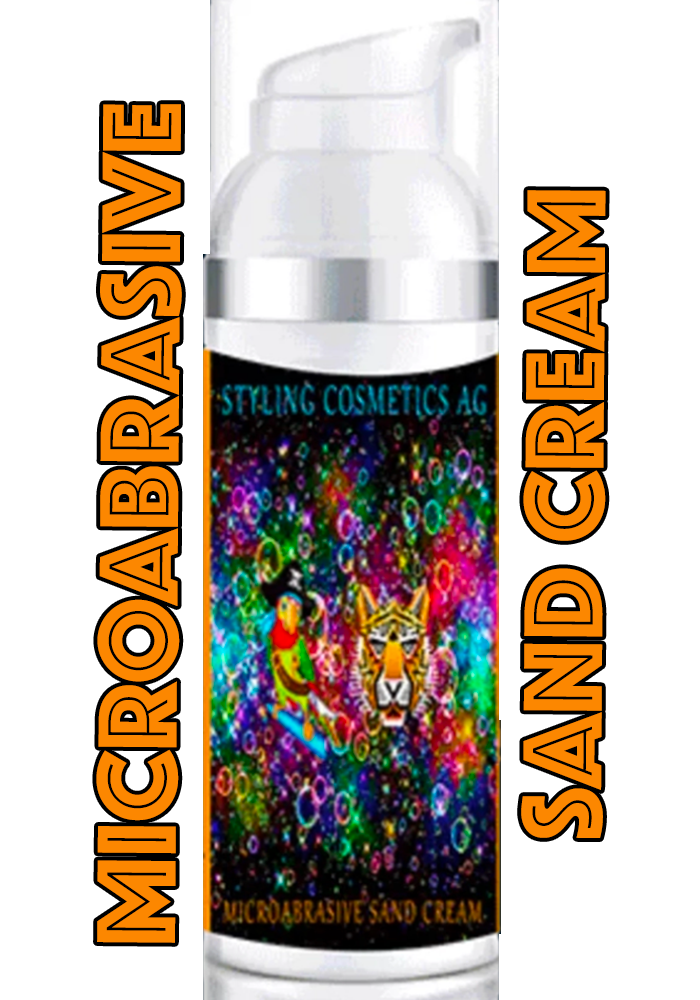
Microabrasive Sand Cream
Used as a preliminary step to smooth the skin surface and improve uniform penetration of subsequent peeling agents, particularly in thicker or irregular photoaged skin.
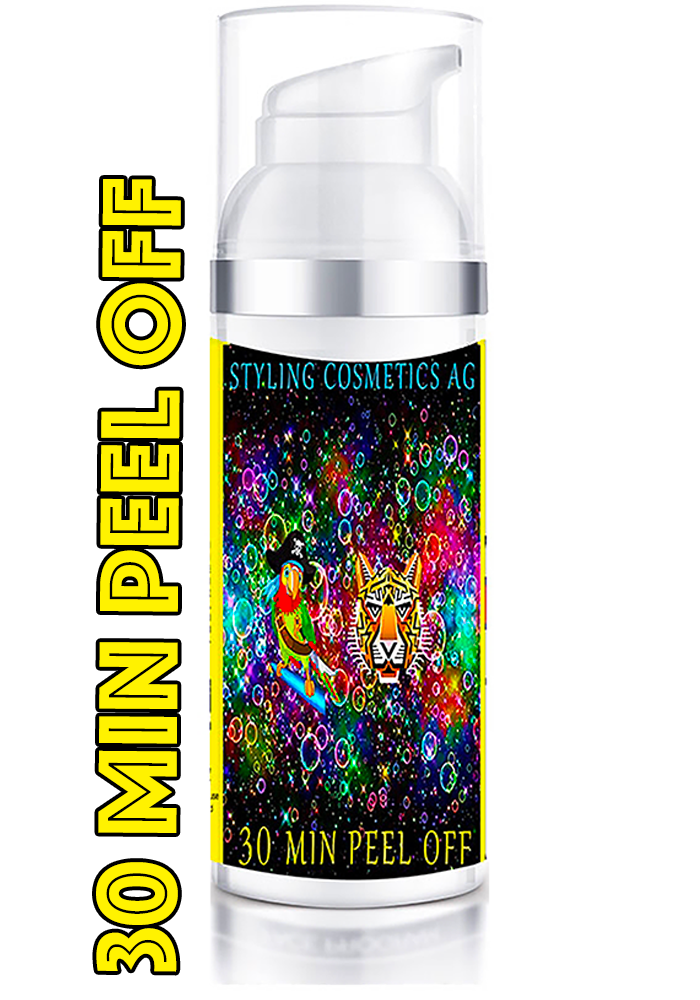
30 Min Peel Off
Provides controlled epidermal renewal, improving dullness, roughness, and early textural changes within a progressive treatment strategy.
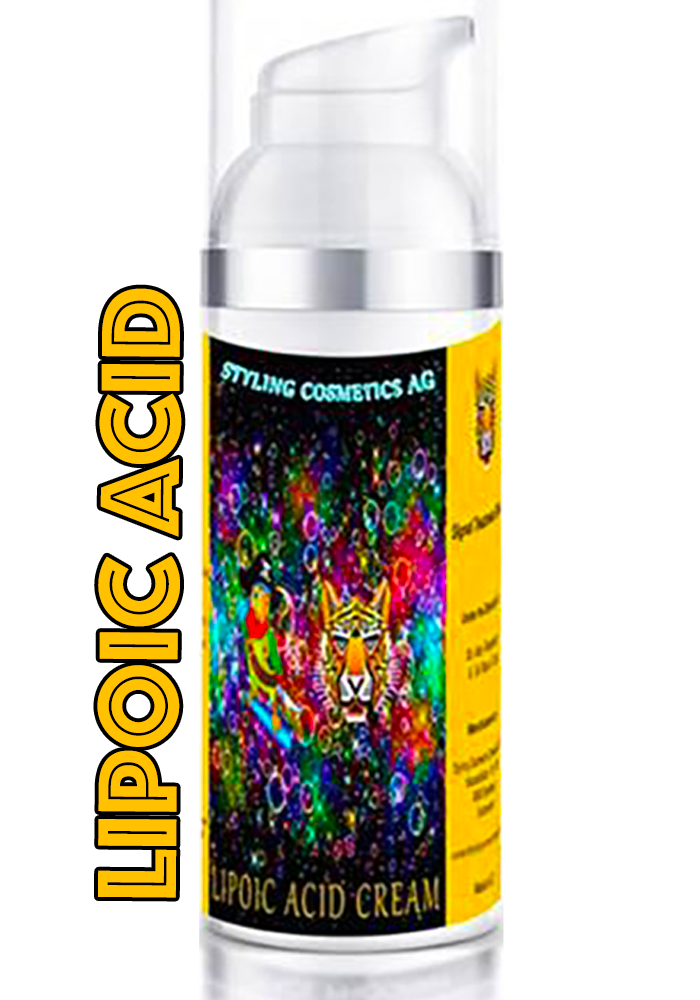
Lipoic Acid Cream
Allows refinement of protocol intensity and contributes to a more controlled and medically adaptable peeling strategy.
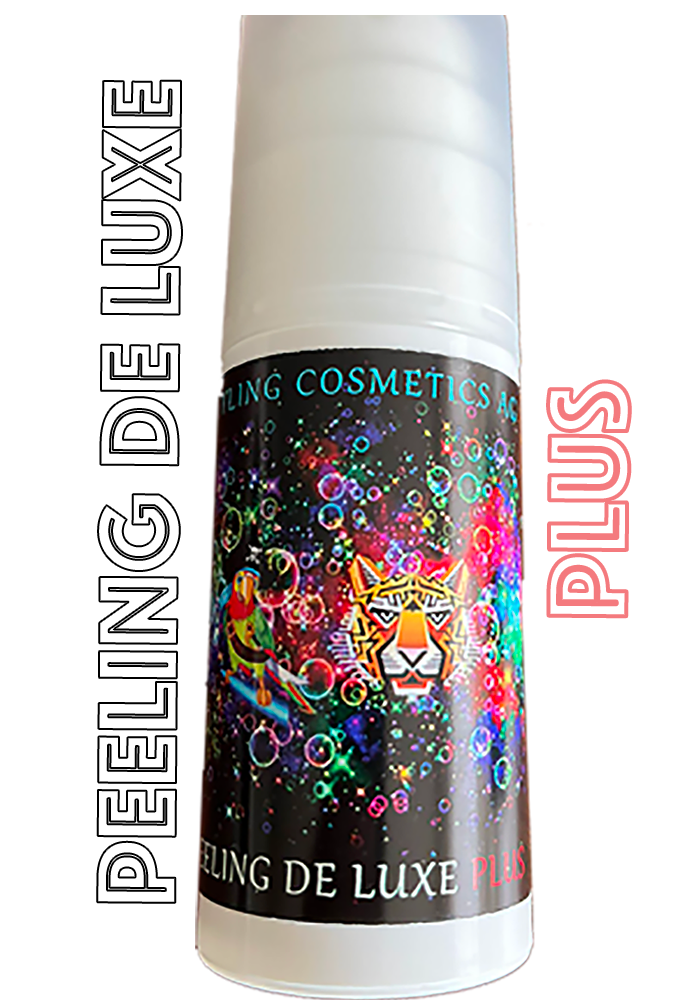
Peeling de Luxe Plus
The main professional peel of the session, targeting surface irregularities, loss of luminosity, and visible signs of chronic photoaging.
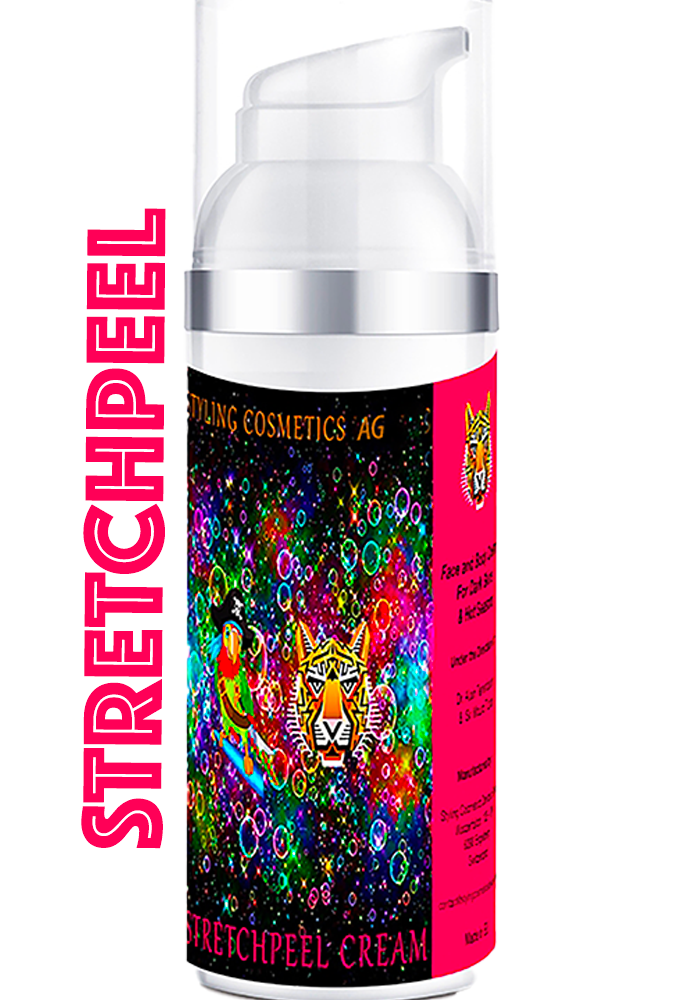
Stretchpeel
Integrated when pigment irregularity or tone imbalance accompanies photoaging, helping improve overall skin homogeneity.
A well-designed protocol does not rely on a single product but on the intelligent combination of complementary steps adapted to the skin condition.
Between the Sessions
As with melasma, a major part of the protocol happens between procedures. This interval determines whether the skin recovers intelligently, whether barrier function is properly restored, and whether the next session can be performed under favorable biological conditions.
Inter-Session Strategy
- Promote barrier recovery without abandoning protocol discipline
- Monitor erythema, sensitivity, dryness, and home-care tolerance
- Prevent unnecessary irritation from external factors
- Maintain hydration and comfort while preserving treatment coherence
- Prepare the skin for the next controlled intervention
- Maintain realistic rhythm according to recovery and clinical response
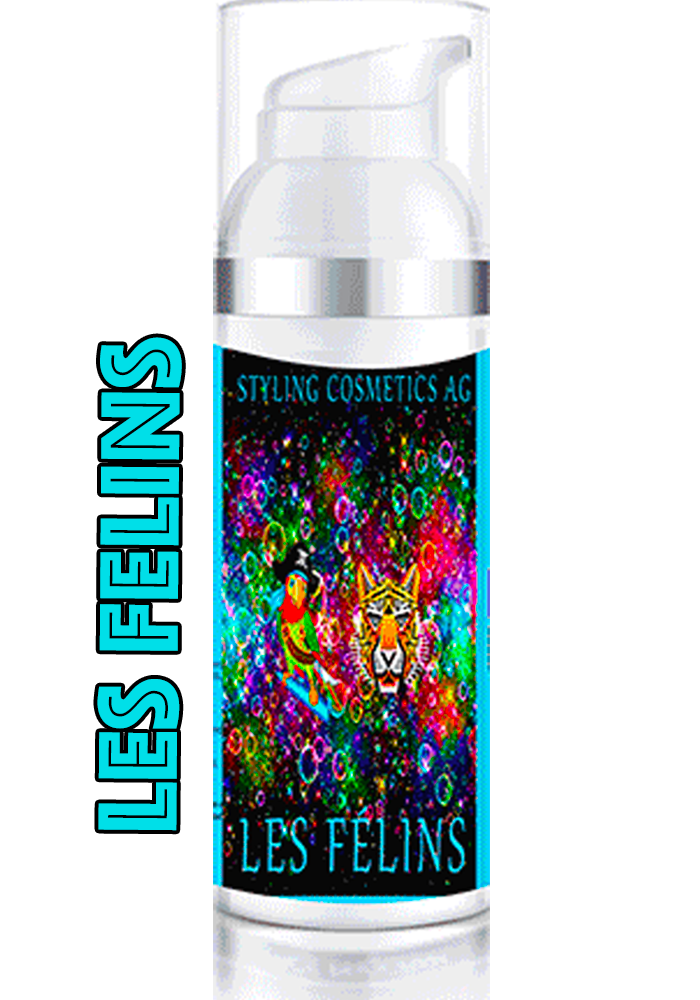
Les Félins
Used after the peeling session to support hydration, comfort, and barrier restoration. Les Félins helps calm the skin during the immediate recovery phase and contributes to a smoother, more tolerable post-procedure evolution.
Gradient Cream
Integrated between sessions when a more advanced and progressive recovery strategy is desired. Gradient Cream supports ongoing skin quality improvement without overloading the skin and fits well within a medically structured protocol.
Papaya Cream
May be used between sessions to support gentle ongoing renewal and maintain improved surface texture. Papaya Cream is particularly useful when the protocol aims to preserve progress while remaining comfortable and well tolerated.
Homecare & Skin Protection
In a structured photoaging protocol, homecare is not optional. It ensures continuity between sessions, stabilizes results, and maintains skin quality over time. Skin protection must be understood as a biological strategy rather than a purely cosmetic step.
Homecare Objective
Maintain skin regularity, preserve luminosity, and support long-term improvement through a disciplined and coherent routine adapted to the protocol.
Skin Protection Logic
Protection is not limited to external filtering but includes maintaining skin balance, controlling pigment response, and avoiding unnecessary irritation that could destabilize results.
Patient Discipline
Protocol success depends on consistency. Irregular homecare or inappropriate products may compromise both safety and clinical outcomes.
Daily Home Strategy
- Use ASEPTISKIN as the exclusive cleansing step without alcohol and without irritation
- Apply Papaya Cream to support ongoing renewal and maintain skin smoothness
- Integrate Stretchpeel to support pigment control and skin homogeneity
- Avoid aggressive or unnecessary products that may disrupt the protocol
- Maintain consistency and adapt rhythm according to skin response
ASEPTISKIN
The only cleansing step used in the protocol. ASEPTISKIN cleanses the skin without alcohol and without irritation, preserving barrier integrity and ensuring optimal conditions for ongoing treatment.
Papaya Cream
Used as a long-term maintenance product to preserve skin smoothness, improve surface regularity, and support continuous renewal without aggressive effects.
Stretchpeel
Integrated as a protective and regulatory step to support pigment control and maintain skin homogeneity in photoaged skin. The formulation contributes to biological protection against UV-related damage through antioxidant activity, including vitamins C and E, without relying on alcohol-based formulations.
The protocol relies on a biological approach to skin protection, combining antioxidant defense and skin regulation. All formulations are alcohol-free and designed to support protection against UV-related damage rather than relying on conventional filtering systems.
Biological Photoprotection Concept
This protocol does not rely on conventional sunscreen logic. Instead, it is based on a biological approach to photoprotection, combining antioxidant defense, epidermal regulation, and pigment control.
Through the use of alcohol-free formulations enriched with vitamins C and E, and regulatory products such as Stretchpeel, the skin is supported in its ability to resist ultraviolet-induced damage and maintain long-term stability.
The objective is not only to block UV exposure, but to improve the skin’s intrinsic resilience to its effects.
Explore the Biological Photoprotection Concept
Maintenance Treatment
In practical protocol design, maintenance is where long-term medical credibility appears. Photoaging is chronic and cumulative, so results must be stabilized over time rather than presented as a one-off miracle.
Maintenance Logic
Maintenance sessions help preserve luminosity, surface smoothness, and the gains obtained through the structured treatment phase.
Clinical Message
The protocol remains alive after the main correction phase. This is often where patients understand the true seriousness and sophistication of medical skin management.

Structured Follow-Up Product
Designed to accompany the long-term strategy and support durable clinical coherence.
Prevention Treatment
A protocol page inspired by melasma should also include prevention. In photoaging, prevention is not abstract: it is the rational continuation of treatment through photoprotection, routine discipline, and periodic reassessment.
Prevention Priorities
- Limit new ultraviolet-induced damage
- Preserve epidermal regularity and surface quality
- Prevent rapid regression after improvement
- Keep homecare aligned with seasonal and clinical needs
Patient Education
- Explain that photoaging is a process, not an isolated event
- Clarify that maintenance and prevention protect results
- Set expectations around disciplined long-term behavior
- Reinforce that visible improvement and prevention must work together
Results
The final phase should visualize outcome without becoming exaggerated. As in the melasma example, the result section works best when it is clearly linked to the protocol logic shown above.

What Results Usually Mean
- Better luminosity and more uniform light reflection
- Smoother texture and reduced visible roughness
- Softening of superficial lines
- Improved pigment regularity in suitable candidates
- More coherent skin quality over time
The most persuasive results are standardized, medically credible, and consistent with a protocol-based approach rather than sensational marketing.
Protocol at a Glance
This protocol page is designed to help both practitioners and informed patients understand the practical structure of photoaging management, including treatment rhythm, product logic, and expected progression.
Recommended Product System
A protocol page converts better when the medical logic is linked to a practical product system. The idea is not to sell randomly, but to show how each product supports a defined phase of treatment.

Professional Peel Formula
Core treatment step used to improve roughness, luminosity, superficial wrinkles, and overall texture through controlled keratoregulation.
View Product
Skin Preparation Support
Helps normalize the skin before the active session and may improve tolerance, homogeneity, and protocol consistency.
View Product
Recovery and Barrier Care
Supports hydration, comfort, and barrier restoration during the controlled recovery phase after peeling.
View Product
Home Maintenance Strategy
Extends clinical benefits over time by supporting smoother texture, better surface quality, and a more disciplined long-term routine.
View ProductTreatment Timeline
Patients convert better when they understand the chronology of the protocol. This practical timeline clarifies expectations before, during, and after treatment.
Before Treatment
Skin evaluation, phototype review, sensitivity analysis, pigment risk assessment, and protocol selection.
Preparation Phase
When indicated, the skin may be prepared with adapted home care to improve regularity and tolerance.
Peel Session
The active procedure is performed according to the chosen depth strategy and the biological objective of the protocol.
Recovery Period
Hydration, barrier support, comfort care, and strict sun avoidance are integrated as part of treatment success.
Next Session / Maintenance
Follow-up and repetition depend on response, tolerance, degree of photodamage, and long-term treatment goals.
Ideal Candidates
- Patients with dull, rough, or sun-damaged skin
- Fine lines and early textural changes
- Uneven skin tone linked to chronic ultraviolet exposure
- Patients seeking progressive and medically guided improvement
- Patients able to comply with photoprotection and aftercare
When Extra Caution Is Needed
- Highly reactive or recently irritated skin
- Higher pigmentary risk profiles requiring adaptation
- Poor sun protection compliance
- Unrealistic expectation of instant correction
- Need for careful depth adjustment and progressive sequencing
Clinical Objective
The treatment of photoaging seeks to address several interrelated targets: irregular keratinization, dull and thickened epidermis, pigment heterogeneity, collagen degeneration, and early or established wrinkling. The clinical objective is not only aesthetic refinement but the progressive restoration of healthier skin behavior.
Protocol Philosophy
Effective correction is achieved through repetition, adaptation, and sequencing. In photoaged skin, the most elegant results generally arise from protocols that are calibrated over time according to phototype, degree of actinic damage, sensitivity profile, and regenerative capacity.
Therapeutic Logic
Chemical peels for photoaging should be considered biological regulators. Depending on their formulation and depth strategy, they may promote epidermal renewal, normalize dyschromia, stimulate fibroblasts, and enhance the optical quality of the skin surface while respecting cutaneous integrity.
Core Design Principles
- Assessment of phototype, skin thickness, sensitivity, and cumulative solar damage
- Preference for structured protocols over aggressive one-session correction
- Selection of peeling depth according to indication rather than intensity for its own sake
- Strict integration of photoprotection and post-peel skin support
- Regular reassessment and protocol refinement based on tissue response
Main Clinical Targets
- Surface roughness and loss of radiance
- Fine lines and progressive textural aging
- Uneven pigmentation and mottled discoloration
- Loss of epidermal uniformity
- Early dermal laxity associated with photodamage
Standard Treatment Sequence
A sound photoaging protocol is typically organized into progressive stages. This sequence helps optimize efficacy while limiting unnecessary irritation and reducing the risk of post-inflammatory complications.
Evaluation of skin history, current sensitivity, pigment tendency, and home-care compliance, with adaptation of pre-treatment conditioning when required.
Application of the selected peel according to the biological objective: superficial renewal, medium-depth stimulation, or progressive remodeling.
Support of barrier restoration and inflammation control through appropriate aftercare, hydration, and strict sun avoidance.
Repetition and long-term maintenance based on clinical evolution, seasonality, and the patient’s degree of chronic photodamage.
Depth-Oriented Protocol Approach
| Protocol Level | Primary Objective | Typical Indications | Clinical Rationale |
|---|---|---|---|
| Superficial Protocols | Epidermal renewal and surface refinement | Dull complexion, mild roughness, early photoaging, discrete dyschromia | Ideal for restoring radiance, improving texture, and initiating treatment in sensitive or lightly photoaged skin. |
| Intermediate / Medium Strategy | Greater stimulation and visible textural correction | Fine lines, established sun damage, more visible irregularities | Used when superficial approaches alone are insufficient and a stronger remodeling stimulus is justified. |
| Progressive Repeated Protocols | Cumulative biological correction over time | Chronic photoaging requiring safer long-term improvement | Often preferable to isolated aggressive intervention because they balance efficacy, tolerability, and reproducibility. |
Depth is not a goal in itself. It is a therapeutic tool that must always remain subordinated to the indication, the patient profile, and the desired balance between efficacy and recovery.
Useful Peel Categories
- Alpha hydroxy acids: support epidermal renewal and improve surface homogeneity
- Trichloroacetic acid protocols: provide stronger stimulation when clinically indicated
- Combination strategies: may target both texture and pigment irregularities
- Supportive adjunctive care: antioxidants, moisturization, and barrier-conscious maintenance
Patient-Specific Adaptation
- Phototype and risk of post-inflammatory hyperpigmentation
- Degree of actinic damage versus chronological age
- Cutaneous sensitivity and reactivity
- Tolerance to downtime and social recovery constraints
- Ability to comply with home care and photoprotection
Safety and Risk Management
The safety of peeling in photoaged skin depends less on the name of the acid than on the quality of protocol design. Inadequate patient selection, excessive aggressiveness, poor aftercare, or insufficient sun protection may compromise results and increase the risk of irritation, prolonged erythema, pigmentary imbalance, or unsatisfactory recovery.
- Careful indication setting is mandatory
- Photoprotection is essential before and after treatment
- Progressive protocols are often safer than overaggressive correction
- Post-treatment care must be considered part of the protocol itself
Before and After Logic
Before-and-after documentation is one of the strongest conversion tools on a protocol page because it translates theory into visible clinical evolution. For photoaging, the most meaningful improvements generally include better luminosity, smoother texture, more regular pigment distribution, and a fresher overall skin aspect.
The best images are standardized, medically honest, and linked to a clear protocol sequence rather than to exaggerated promises.
Expected Clinical Outcomes
- Improved luminosity and smoother skin texture
- Reduction in visible roughness and fine superficial wrinkling
- Better pigment uniformity
- Fresher and more regular epidermal appearance
- Progressive support of dermal quality over time
Clinical Reality
Photoaging correction is usually progressive rather than instantaneous. Medical credibility requires acknowledging that the best outcomes arise through coherent sequencing, adequate intervals, disciplined home care, and realistic long-term planning rather than through exaggerated promises.
For both practitioners and informed patients, the most meaningful approach to photoaging is a protocol-based one: measured, reproducible, biologically coherent, and adapted to the true condition of the skin.
Frequently Asked Questions
Are chemical peels effective for photoaging?
Yes. When correctly selected and properly sequenced, chemical peels may improve texture, luminosity, superficial wrinkling, and uneven pigmentation associated with chronic sun damage.
Is a stronger peel always better?
No. A stronger peel is not automatically superior. In many cases, progressive protocols provide a better balance between efficacy, safety, recovery, and long-term consistency.
How many sessions are usually needed?
The number of sessions depends on the degree of photoaging, skin type, chosen protocol, and treatment objectives. Many patients benefit from a structured series rather than from a single isolated procedure.
Why is sun protection so important?
Photoaged skin is already affected by ultraviolet damage. Without rigorous photoprotection, both results and safety may be compromised, especially after an active peeling session.