Barrier Condition
Epidermal barrier integrity directly influences molecular penetration, hydration retention, buffering capacity, and inflammatory response. A compromised barrier may significantly alter diffusion behavior and tissue reactivity.
Modern peel science extends far beyond surface exfoliation. Chemical and metabolic peels interact with epidermal biology, cellular signaling, barrier modulation, diffusion dynamics, tissue hydration, and controlled inflammatory pathways.
The biological response of the skin is not determined solely by acid concentration, but by the dynamic interaction between molecular behavior, tissue condition, barrier integrity, formulation architecture, and epidermal signaling mechanisms.
Navigate through the complete scientific architecture of chemical and metabolic peel mechanisms, from epidermal interaction and buffering dynamics to recovery intelligence, TT Dynamics™, mini FAQ, and final clinical perspective.
Introduction to intelligent chemical and metabolic peel science.
Foundations of biological and physicochemical peel behavior.
Initial epidermal interaction and corneocyte modulation.
Acid behavior, buffering capacity, and ionization dynamics.
Controlled desquamation and corneodesmosome modulation.
Controlled epidermal transport and penetration behavior.
Cellular communication and adaptive biological signaling.
Controlled inflammatory response and tissue adaptation.
Epidermal resilience and adaptive barrier intelligence.
Water dynamics, TEWL regulation, and tissue balance.
Tissue adaptation and coordinated epidermal response.
Ionization state, molecular transport, and biological activity.
Vehicle science and formulation-dependent behavior.
Adaptive epidermal buffering and dynamic interaction.
Why tissue response varies between individuals.
Comparative paradigms in advanced peel science.
Adaptive recovery and biologically coordinated healing.
Layer-by-layer adaptive protocol modulation systems.
Unified dynamic interaction model of peel science.
Adaptive regenerative systems and future perspectives.
Key takeaways and evolution toward intelligent modulation.
Concise answers to essential scientific questions.
Explore the Science Hub and related metabolic peel resources.
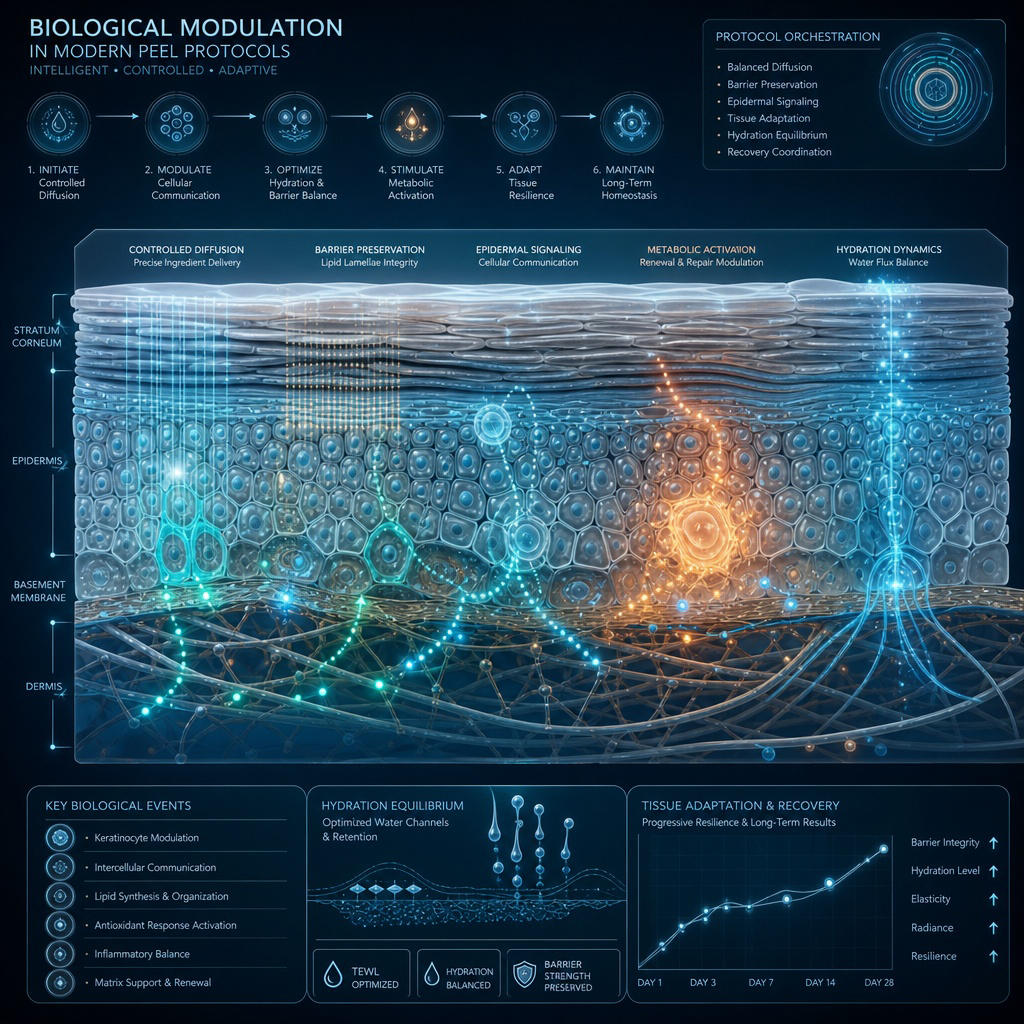
The mechanisms of action of chemical and metabolic peels cannot be reduced to a simple process of surface exfoliation. Modern peel science involves a complex interaction between molecular diffusion, epidermal structure, cellular signaling, barrier function, hydration dynamics, and the biological state of the treated tissue.
In metabolic peel concepts, formulation design may take into account the functional relationship between epidermal cells, the extracellular matrix, and the basal epidermal environment. The objective is not only to induce desquamation, but also to influence tissue behavior through controlled biochemical and biophysical interaction.
Low molecular weight compounds may demonstrate specific diffusion advantages when their chemical properties, carrier system, ionization state, and tissue environment are compatible. Their clinical effect depends not only on concentration, but also on penetration dynamics, tissue receptivity, and the local biological response.
Acid strength, molecular behavior, barrier condition, hydration status, formulation architecture, and tissue metabolism act together to determine the final biological outcome.
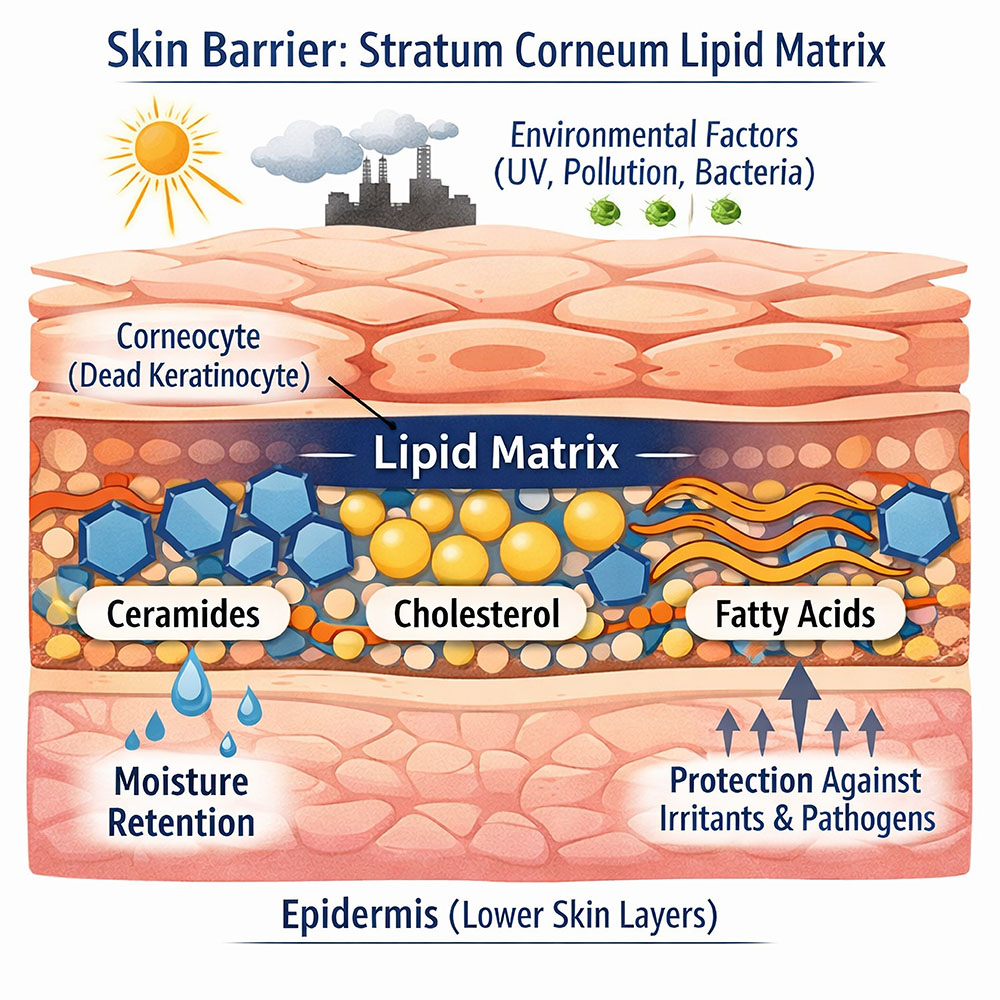
Chemical peels interact first with the stratum corneum, where corneocytes, intercellular lipids, desmosomal structures, and surface hydration determine how the formulation behaves at the epidermal interface.
The intercellular lipid matrix influences diffusion, retention, and controlled penetration. Its organization may either limit, delay, or facilitate the passage of selected molecules according to barrier condition and formulation design.
Acidic formulations transiently modify the local acid-base microenvironment. This may influence enzymatic activity, corneocyte adhesion, barrier behavior, and the initial biological signaling response.
Desquamation is not simply a destructive event. In modern peel science, it may represent a controlled biological sequence involving cohesion modulation, epidermal renewal, and progressive surface normalization.
It is a biologically active interface where chemical activity, molecular diffusion, hydration status, lipid organization, and epidermal signaling begin to determine the final clinical response.
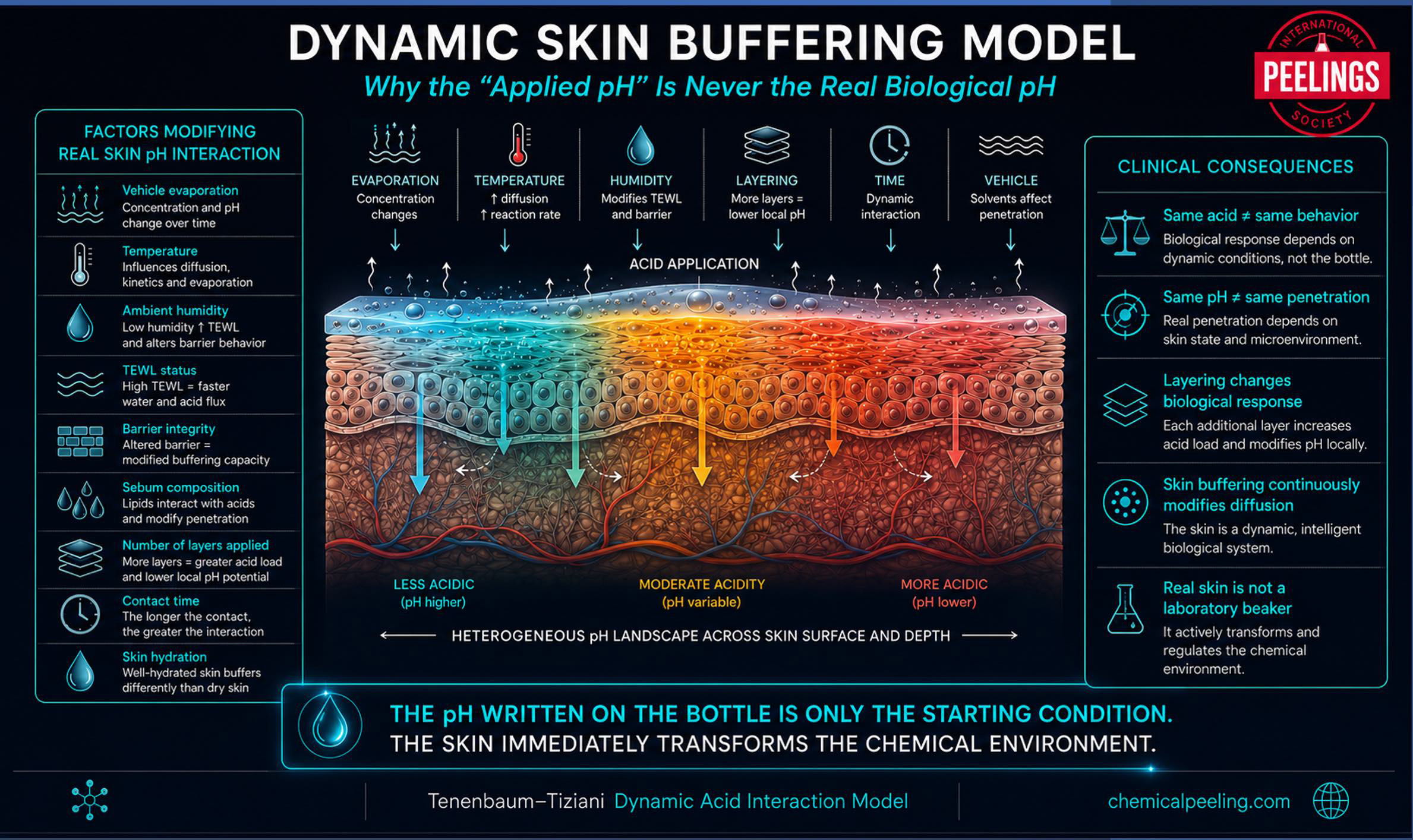
The biological activity of a peeling agent is not determined only by the pH written on the label. Once applied to the skin, the formulation enters a dynamic environment where buffering capacity, hydration, sebum, stratum corneum condition, acid dissociation, and vehicle behavior influence the effective acid activity.
This is why the pH applied is not necessarily the pH that acts biologically. Chemical peel response depends on the interaction between acid strength, ionization state, tissue buffering, molecular diffusion, and epidermal receptivity.
The initial pH of the formulation defines only the starting chemical environment. It does not fully predict penetration depth, biological response, or clinical intensity.
The balance between ionized and non-ionized acid forms influences lipophilicity, membrane diffusion, and the ability of the molecule to interact with epidermal structures.
The skin partially neutralizes or modifies acid activity through surface chemistry, hydration level, proteins, lipids, and local tissue conditions.
Evaporation, dilution, occlusion, and carrier composition can modify the concentration and biological availability of active molecules during contact time.
In advanced peel science, pH must be interpreted as a dynamic biological variable rather than a static laboratory number. The final response is produced by the evolving interaction between formulation chemistry and the living epidermal interface.
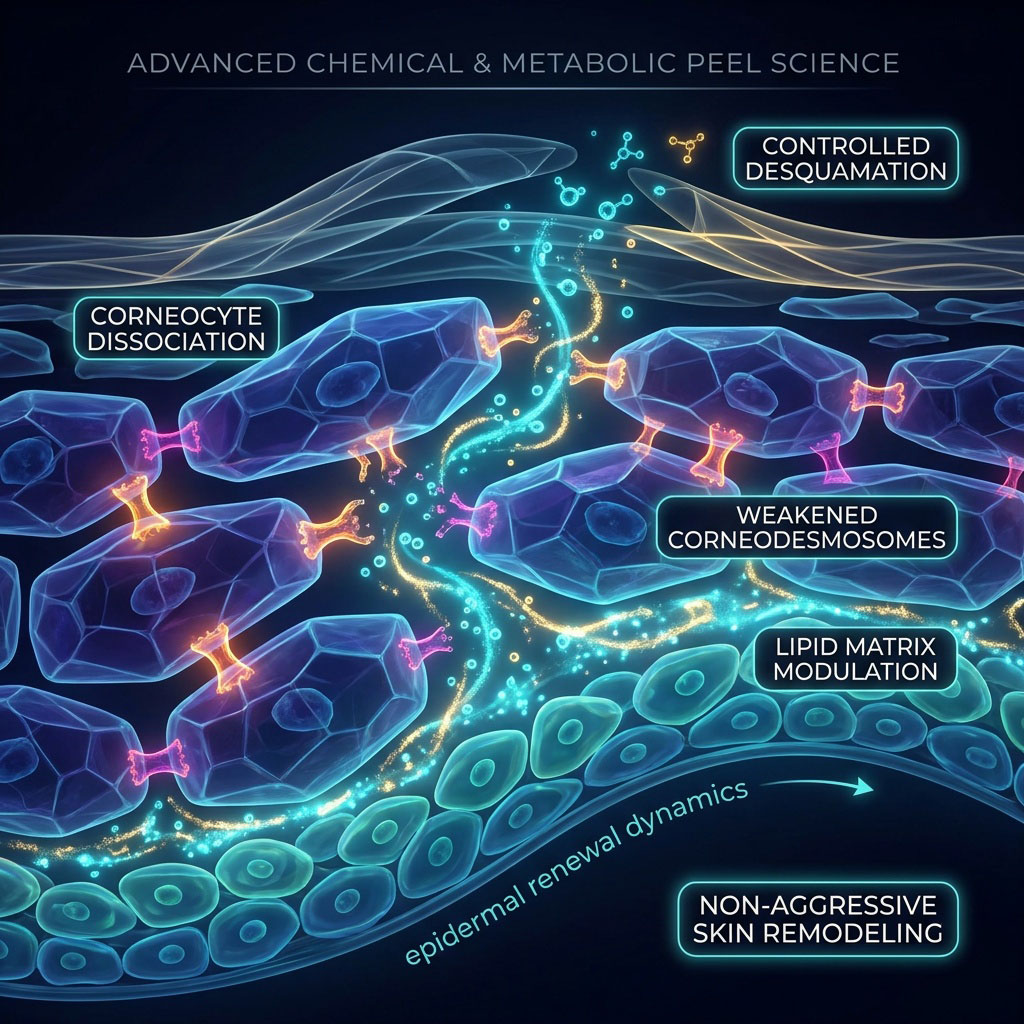
One of the first visible mechanisms of chemical peeling is the controlled reduction of corneocyte cohesion. Acids may modify ionic interactions, protein organization, desmosomal stability, and local enzymatic activity within the superficial epidermal layers.
In modern peel science, desquamation should not be interpreted as simple tissue aggression. It represents a regulated biological sequence in which surface compactness, epidermal turnover, barrier condition, and tissue signaling influence the clinical response.
Acidic environments may alter corneodesmosomal cohesion, allowing superficial corneocytes to separate more efficiently from the compact stratum corneum.
Hydration state, formulation vehicle, and acid activity can soften excessive surface compactness and facilitate a more uniform epidermal exfoliation pattern.
Controlled desquamation may stimulate epidermal renewal by promoting removal of retained corneocytes and supporting a more regular surface differentiation sequence.
It is a biological transition from excessive surface cohesion toward renewed epidermal organization, provided that acid activity, contact time, formulation design, and tissue condition remain clinically controlled.
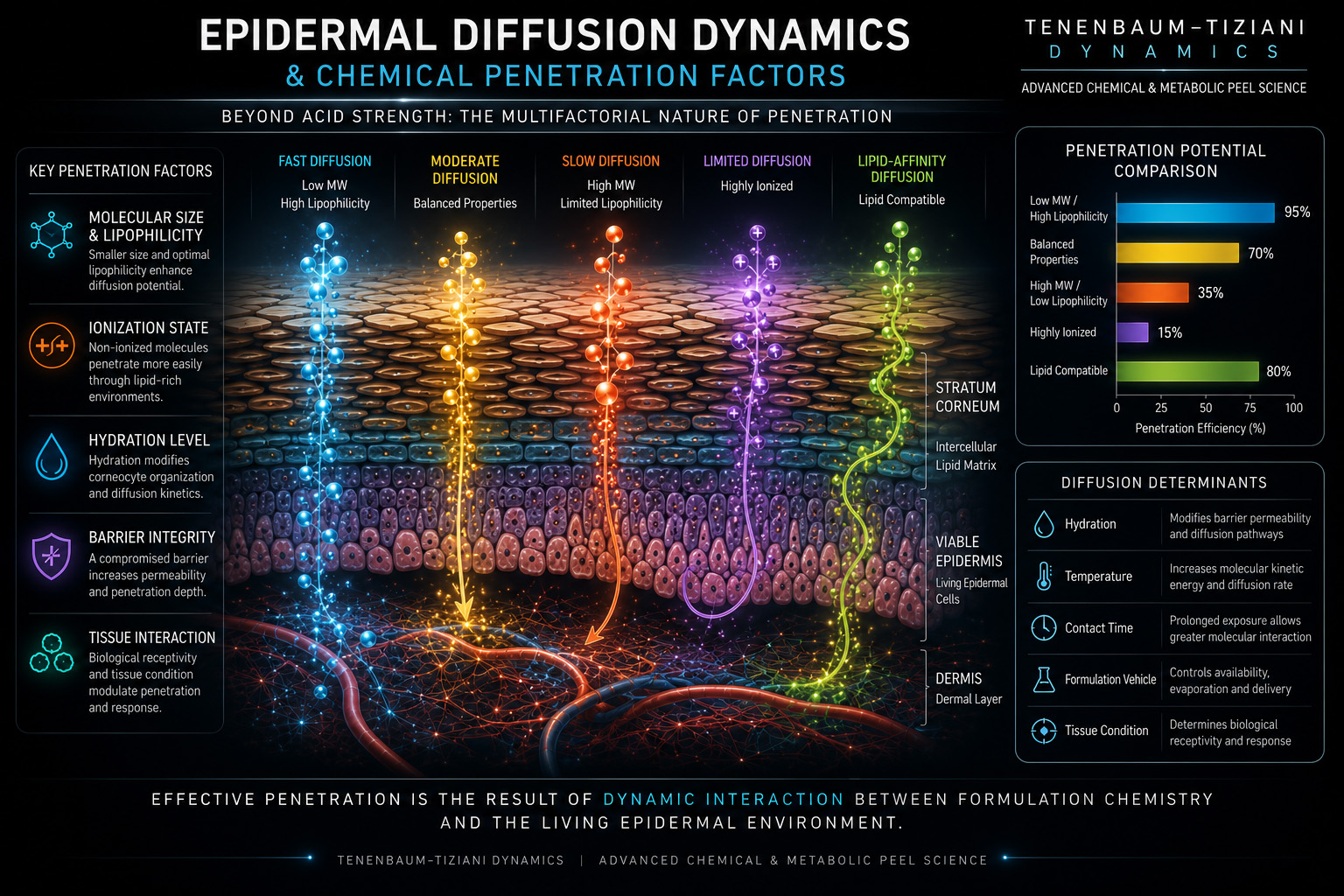
The clinical behavior of a peel depends not only on acid concentration, but also on how molecules diffuse through the epidermal environment. Diffusion is influenced by molecular size, ionization state, lipophilicity, vehicle architecture, hydration, barrier integrity, temperature, and tissue receptivity.
In metabolic peel concepts, diffusion is not interpreted as a purely passive event. The biological condition of the epidermis dynamically modifies molecular movement, penetration gradients, retention behavior, and interaction with living tissue structures.
Low molecular weight compounds generally demonstrate faster diffusion potential through the superficial epidermal environment, especially when compatible with the tissue lipid architecture.
The affinity between active molecules and epidermal lipids influences penetration pathways, retention behavior, and the interaction with membrane structures and intercellular spaces.
Tissue hydration may modify barrier permeability and alter diffusion kinetics by changing corneocyte organization, water content, and intercellular transport behavior.
Evaporation, occlusion, carrier composition, and formulation architecture continuously influence molecular availability and tissue penetration during contact time.
It represents a dynamic interaction between molecular behavior, epidermal architecture, tissue hydration, barrier modulation, and biological responsiveness across the living cutaneous interface.
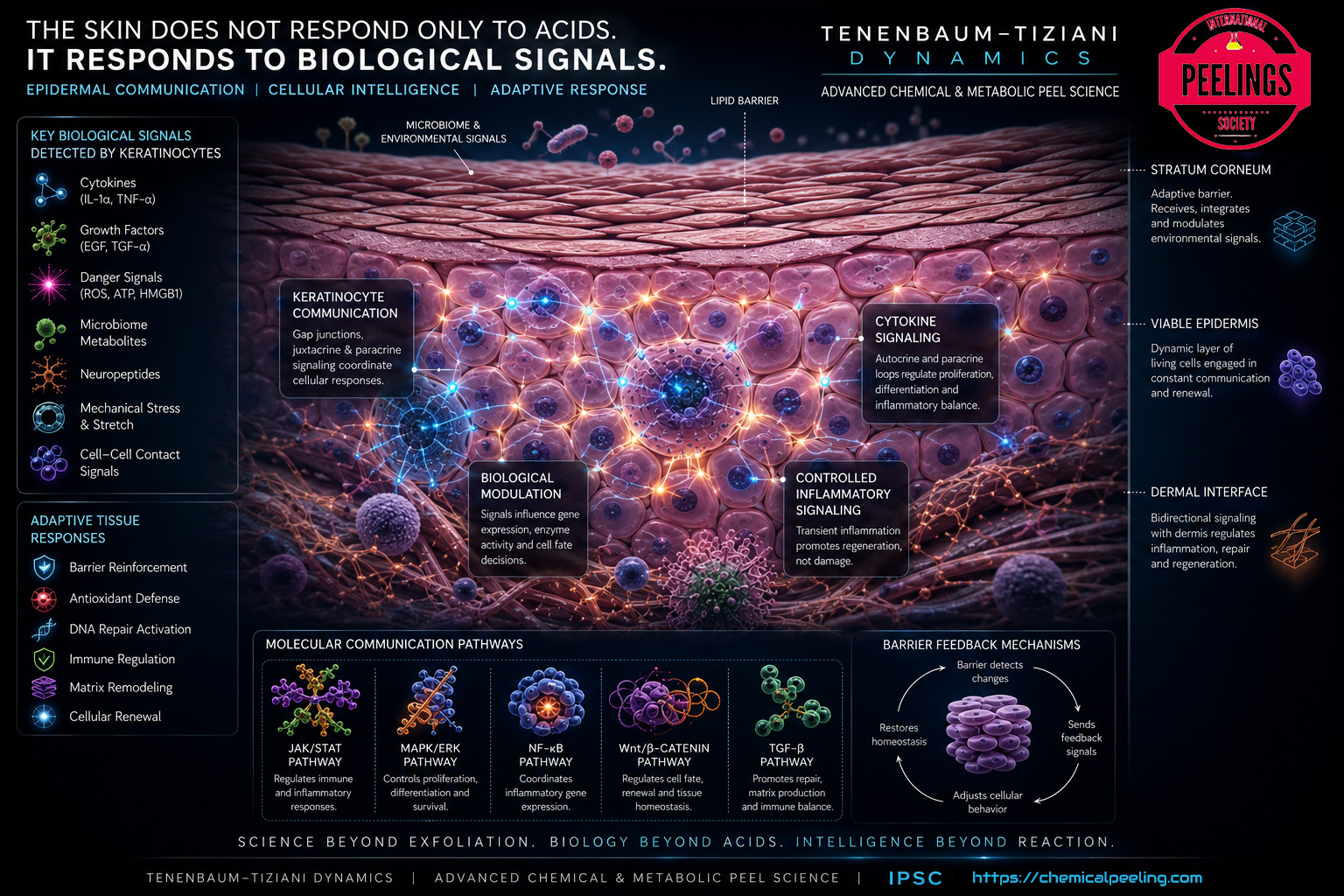
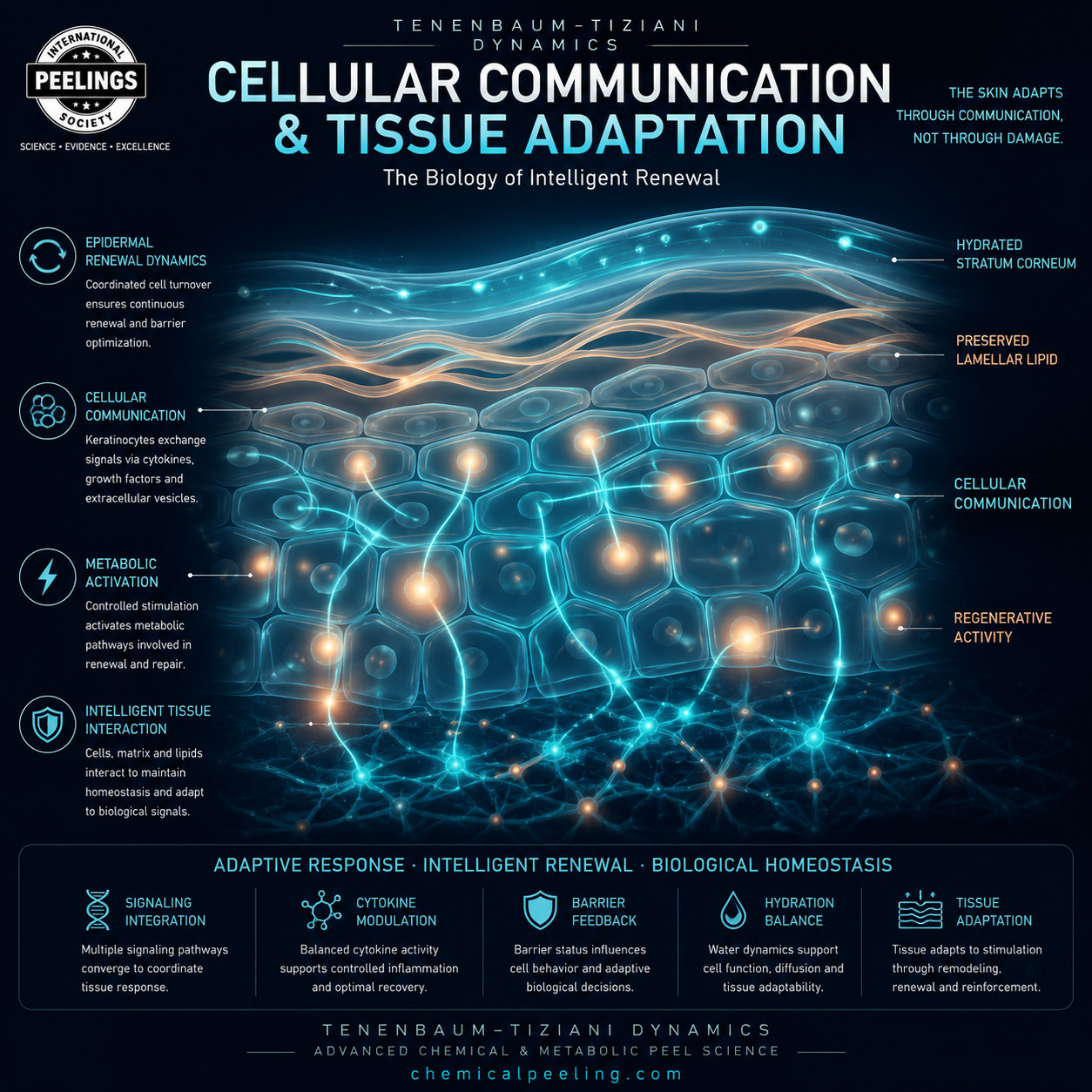
The skin does not respond exclusively to chemical aggression. Modern peel science recognizes that epidermal cells continuously interpret molecular signals, environmental conditions, barrier status, hydration, and inflammatory mediators before generating a biological response.
Keratinocytes, epidermal lipids, cytokines, extracellular structures, and tissue mediators participate in a dynamic communication network that influences regeneration, inflammation control, barrier adaptation, epidermal turnover, and tissue resilience.
Epidermal cells constantly exchange biochemical signals that regulate differentiation, renewal dynamics, barrier adaptation, and local tissue behavior after controlled chemical stimulation.
Controlled epidermal interaction may influence cytokine release and inflammatory signaling pathways involved in tissue adaptation, epidermal remodeling, and biological recovery.
The condition of the epidermal barrier modifies tissue receptivity and influences how signaling cascades evolve following chemical exposure, hydration changes, and diffusion events.
Biological responses are dynamic and depend on epidermal condition, formulation architecture, signaling intensity, contact time, and the interaction between chemical and biological variables.
Clinical outcomes emerge from the interaction between molecular activity, epidermal communication, barrier biology, inflammatory modulation, tissue hydration, and adaptive cellular behavior across the living cutaneous environment.
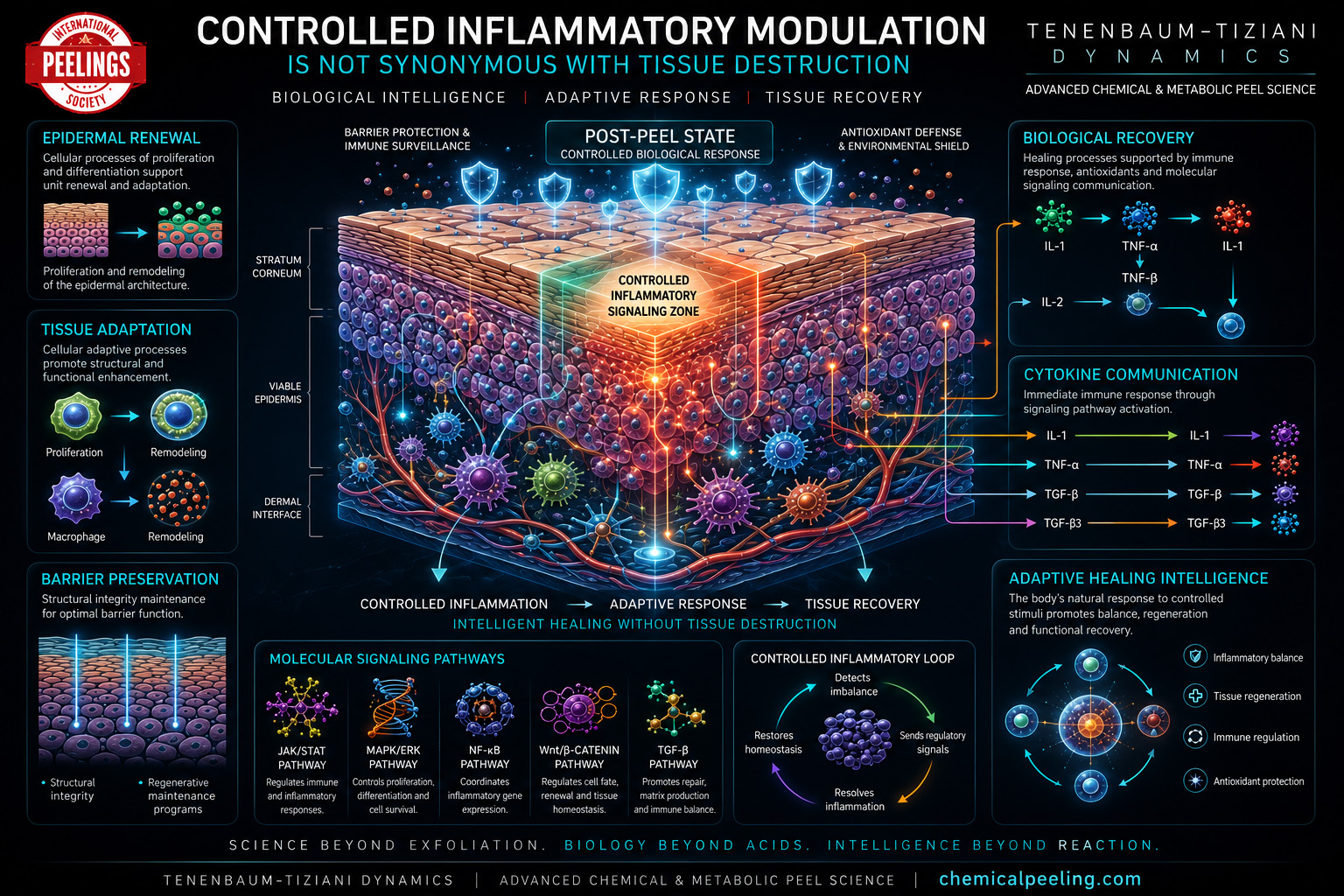
In advanced peel science, inflammation is not necessarily interpreted as tissue damage. Controlled inflammatory signaling may participate in epidermal renewal, barrier adaptation, biological recovery, cellular communication, and regenerative modulation when maintained within physiological limits.
The objective of modern metabolic concepts is not uncontrolled aggression, but the induction of organized biological responses capable of supporting adaptive tissue remodeling while preserving epidermal integrity and functional recovery dynamics.
Controlled epidermal stimulation may transiently activate cytokine signaling pathways involved in tissue adaptation, biological communication, and regulated regenerative processes.
Local vascular modulation may contribute to nutrient delivery, hydration dynamics, oxygen availability, and epidermal recovery mechanisms during controlled biological activation.
Modern controlled approaches attempt to preserve epidermal barrier architecture while stimulating adaptive signaling and tissue renewal pathways.
Clinical outcomes depend on the balance between stimulation intensity, inflammatory control, tissue resilience, hydration state, and recovery capacity across the epidermal environment.
In biologically regulated peel concepts, inflammatory signaling may act as part of a coordinated adaptive response integrating cellular communication, barrier preservation, hydration balance, tissue repair, and epidermal recovery intelligence.
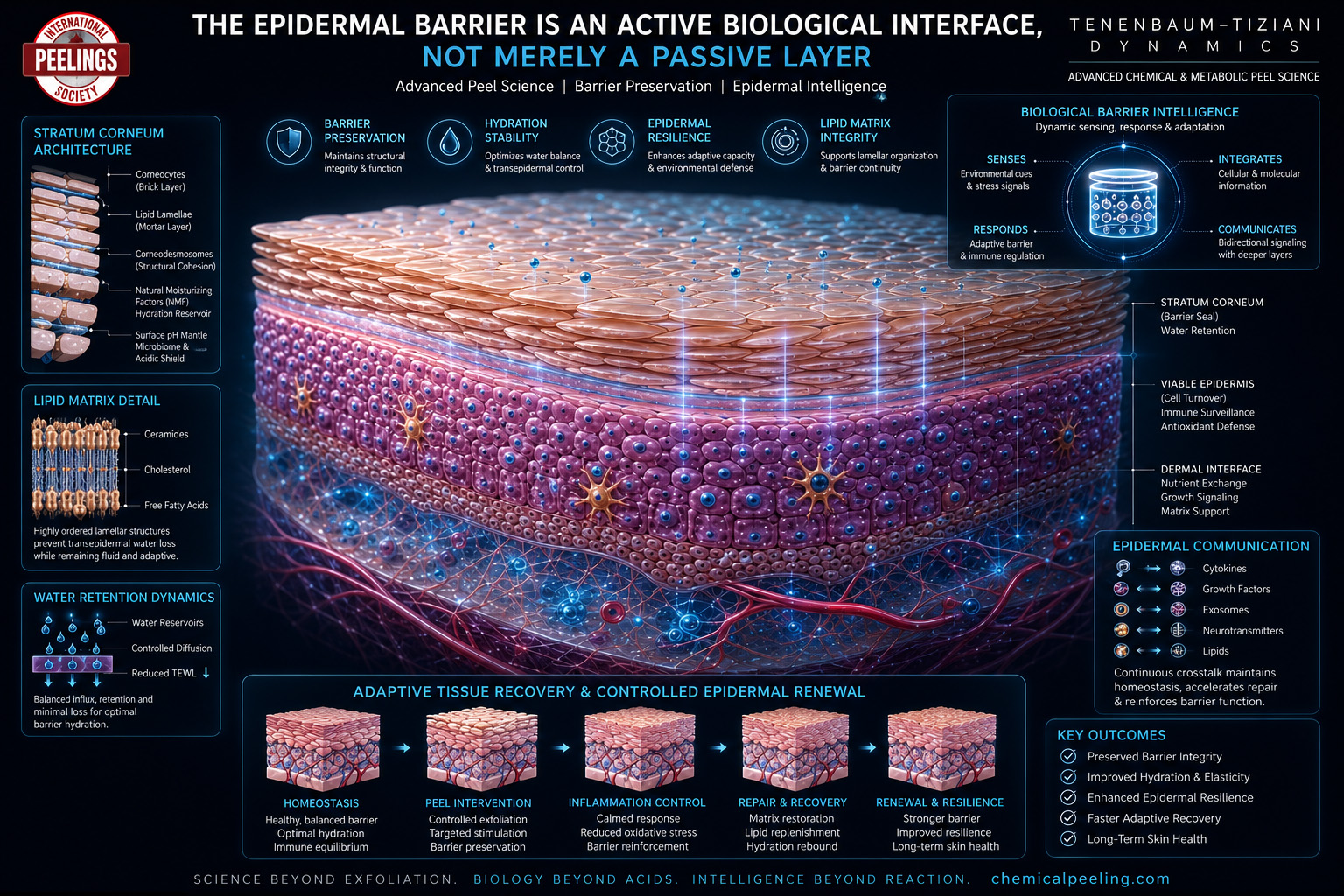
Modern peel science increasingly recognizes that the epidermal barrier is not a passive obstacle, but an active biological interface involved in hydration regulation, inflammatory control, molecular diffusion, tissue signaling, microbiological protection, and epidermal adaptation.
Controlled metabolic approaches attempt to preserve epidermal integrity while supporting biological renewal, hydration balance, adaptive signaling, and tissue resilience. Excessive barrier disruption may alter recovery dynamics, increase inflammatory instability, and compromise epidermal homeostasis.
The organization of ceramides, cholesterol, and epidermal lipids contributes to hydration retention, barrier cohesion, molecular regulation, and environmental protection.
Epidermal water balance influences tissue flexibility, diffusion behavior, enzymatic activity, recovery kinetics, and biological communication across the cutaneous interface.
Tissue resilience depends on the capacity of the epidermis to restore biological equilibrium following controlled stimulation while preserving functional architecture.
Controlled barrier preservation may reduce excessive inflammatory amplification and contribute to more balanced regenerative and recovery dynamics.
Clinical response depends not only on chemical stimulation, but also on the preservation of barrier organization, hydration equilibrium, epidermal communication, tissue resilience, and adaptive recovery intelligence throughout the biological healing process.
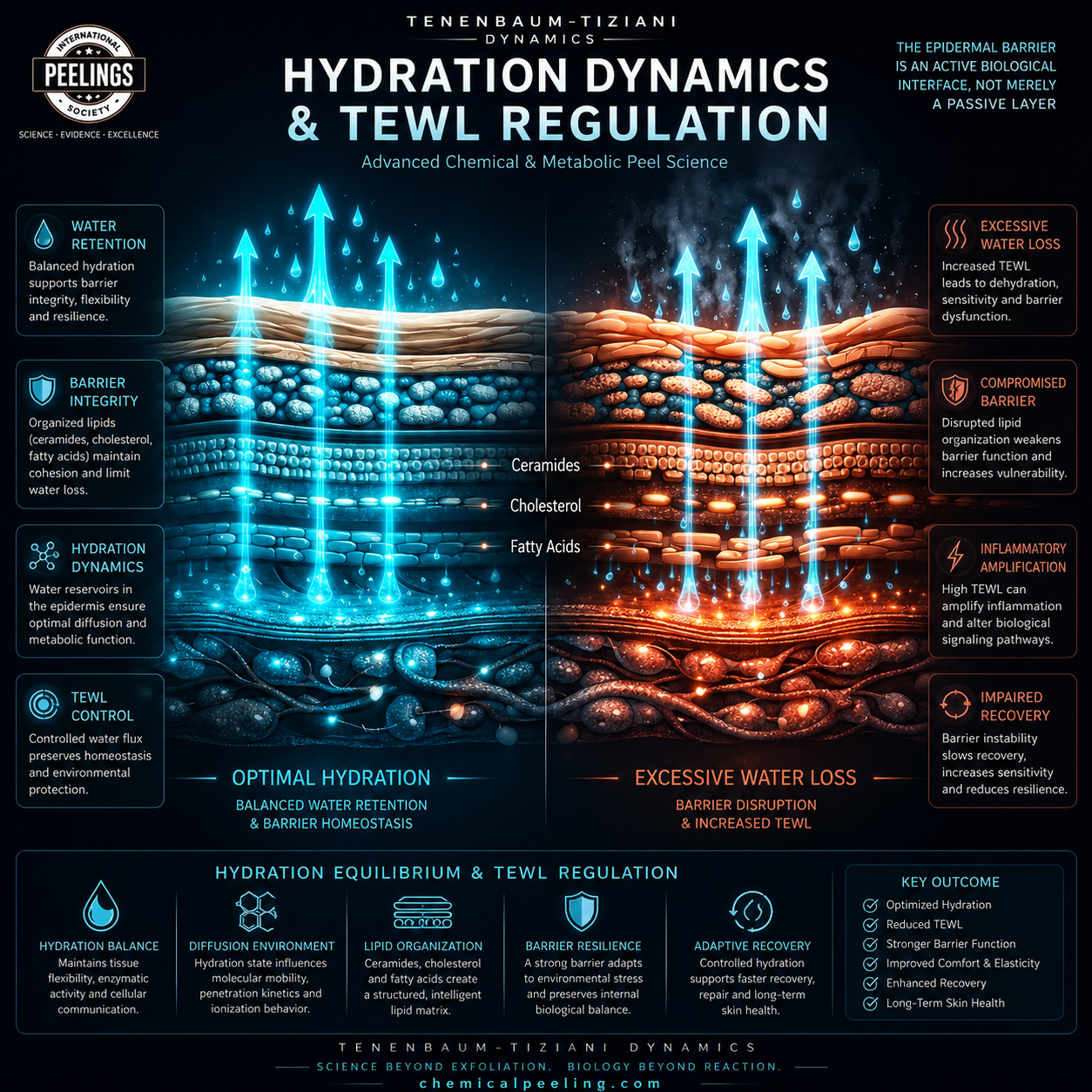
Epidermal hydration is a major determinant of biological response, molecular diffusion, barrier flexibility, enzymatic activity, epidermal signaling, and tissue resilience. Modern peel science increasingly recognizes that hydration dynamics influence not only recovery quality, but also the behavior of chemical penetration across the epidermal environment.
Trans-Epidermal Water Loss (TEWL) reflects the functional integrity of the epidermal barrier and its capacity to regulate water retention, environmental exchange, and adaptive recovery mechanisms. Excessive TEWL may destabilize barrier organization, amplify inflammatory response, and alter biological signaling pathways.
Epidermal hydration contributes to tissue flexibility, diffusion behavior, enzymatic activity, lipid organization, and biological communication within the cutaneous environment.
Controlled barrier preservation may help regulate water evaporation, maintain epidermal stability, and support adaptive biological recovery following controlled stimulation.
Hydration state may influence molecular mobility, ionization behavior, penetration kinetics, and epidermal receptivity across the biological interface.
Recovery quality depends on the dynamic balance between hydration, barrier organization, inflammatory control, and tissue resilience throughout epidermal repair mechanisms.
Trans-Epidermal Water Loss reflects the dynamic interaction between barrier integrity, hydration retention, lipid organization, epidermal signaling, molecular diffusion, and biological adaptation across the living epidermal interface.
The clinical effect of a chemical or metabolic peel depends on how the tissue interprets and adapts to controlled stimulation. Epidermal cells, dermal structures, extracellular matrix components, inflammatory mediators, and barrier signals participate in a coordinated biological communication network.
Tissue adaptation is not a passive repair process. It reflects a dynamic sequence of cellular exchange, biochemical signaling, extracellular remodeling, hydration regulation, and adaptive recovery mechanisms that determine the quality, stability, and predictability of the final result.
Keratinocytes, immune cells, and dermal cells exchange biological information through cytokines, growth factors, extracellular vesicles, and contact-dependent signaling pathways.
The extracellular matrix participates in tissue response by supporting structural communication, hydration balance, mechanical stability, and remodeling coordination.
Controlled stimulation may activate tissue remodeling mechanisms involved in epidermal renewal, dermal support, barrier strengthening, and progressive biological normalization.
The final outcome depends on the balance between stimulation intensity, tissue condition, inflammatory control, hydration state, and recovery capacity.
The skin adapts through cellular communication, extracellular matrix interaction, barrier feedback, inflammatory modulation, hydration regulation, and regenerative signaling. This adaptive dialogue explains why identical peel parameters may produce different responses depending on tissue condition and biological context.
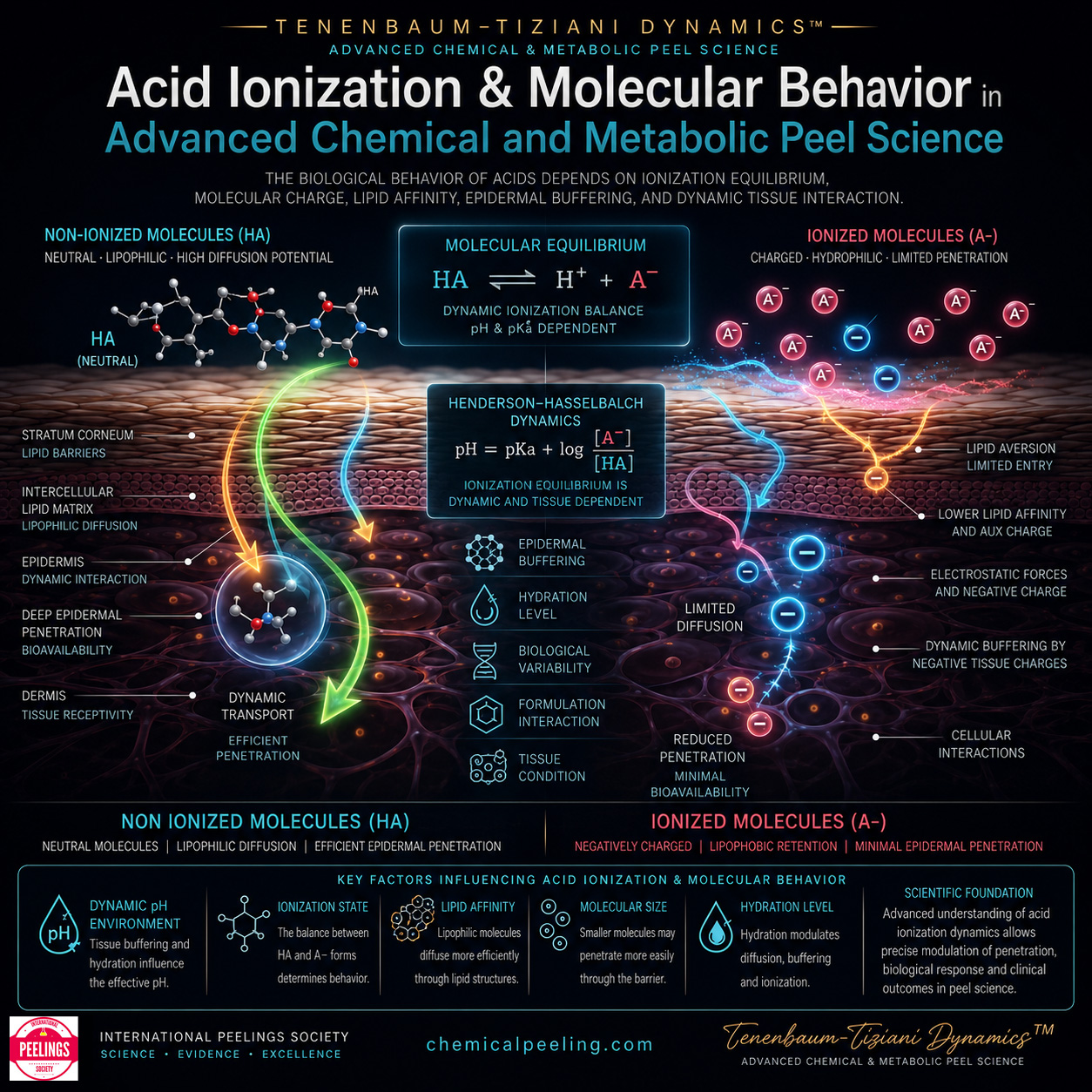
Molecular penetration is influenced not only by acid concentration, but also by ionization state, molecular size, lipophilicity, formulation architecture, hydration environment, and biological tissue conditions. The chemical behavior of acids changes dynamically according to the surrounding epidermal environment.
Non-ionized molecules generally demonstrate greater lipid affinity and diffusion potential across epidermal structures, while highly ionized molecules may exhibit more limited penetration behavior. This dynamic equilibrium contributes to the biological variability observed in clinical peel response.
The ratio between ionized and non-ionized molecular forms influences diffusion potential, lipid affinity, and epidermal penetration behavior across the biological interface.
Molecules demonstrating greater lipid compatibility may diffuse more efficiently through organized epidermal lipid structures and intercellular pathways.
The effective pH acting on the skin may differ from the applied pH because of tissue buffering, hydration variability, evaporation, barrier condition, and formulation interaction.
Diffusion behavior reflects the interaction between molecular characteristics, epidermal organization, hydration balance, contact time, and biological tissue receptivity.
Epidermal buffering, hydration variability, molecular ionization, lipid affinity, evaporation, tissue condition, and formulation architecture dynamically influence how acids behave within the living epidermal environment.
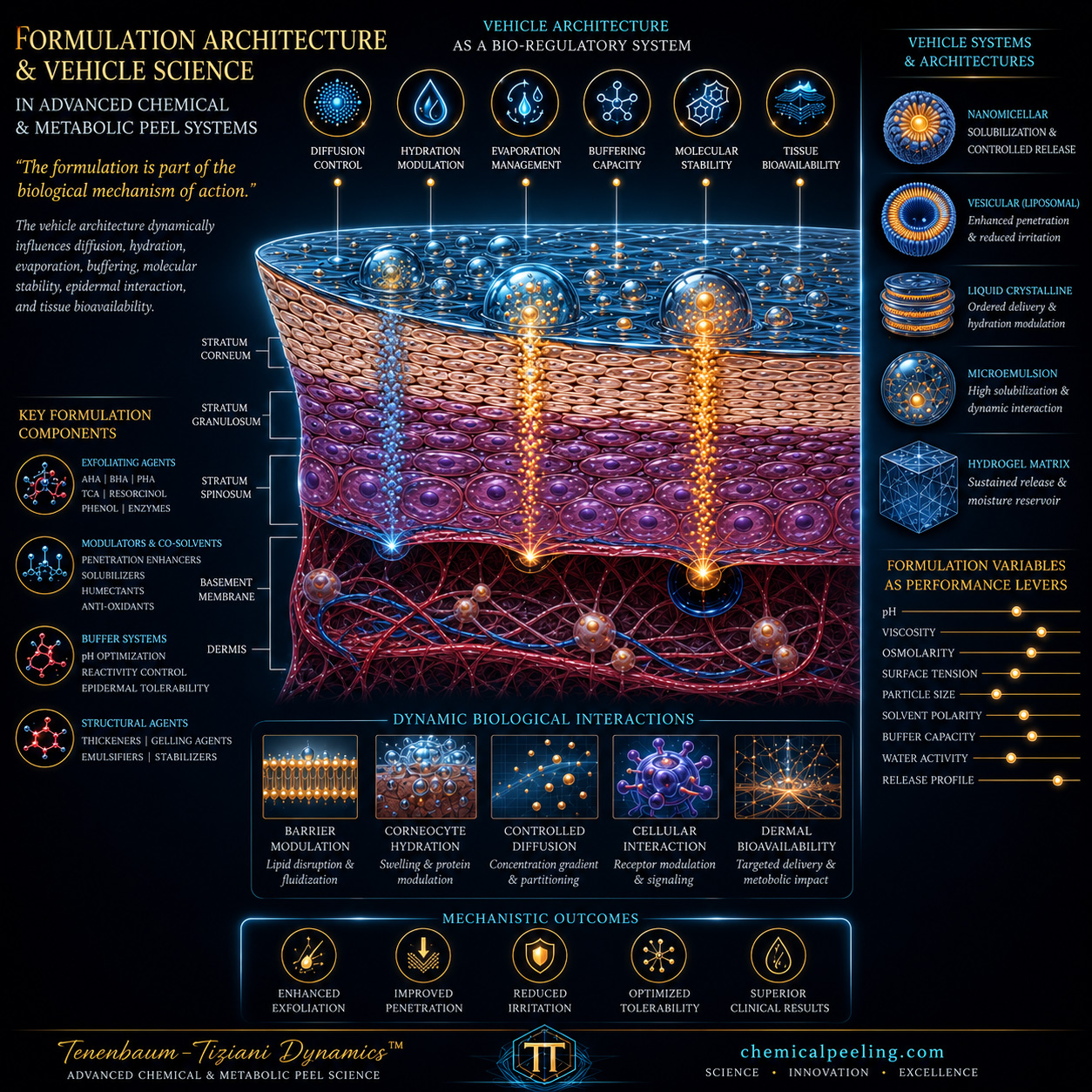
The biological behavior of a peel is influenced not only by the active acid itself, but also by the formulation environment that controls diffusion, evaporation, molecular stability, hydration balance, epidermal interaction, and tissue bioavailability.
Vehicle composition may dynamically influence how molecules interact with the epidermal barrier, lipid structures, hydration reservoirs, and cellular signaling systems. Modern peel science increasingly integrates formulation architecture as an essential component of biological modulation.
Creams, gels, solutions, emulsions, and hybrid delivery systems influence acid distribution, evaporation kinetics, and tissue exposure behavior.
Modern formulation systems may modify molecular release dynamics, epidermal contact duration, and diffusion consistency across the biological surface.
Formulation architecture may contribute to TEWL modulation, barrier preservation, lipid stability, and controlled hydration dynamics during peel exposure.
Molecular compatibility with the epidermal environment may influence tissue receptivity, adaptive signaling, and epidermal recovery behavior.
Vehicle composition, molecular environment, hydration behavior, evaporation dynamics, lipid interaction, buffering systems, and epidermal compatibility collectively influence how chemical and metabolic peels behave within living tissue.
The biological behavior of chemical and metabolic peels is not determined exclusively by nominal acid concentration or pH. Once applied onto the skin surface, acids immediately enter a dynamic biological environment capable of modifying molecular availability, ionization equilibrium, diffusion kinetics, and tissue receptivity.
The epidermis acts as an adaptive biochemical interface. Hydration state, lipid organization, temperature, epidermal integrity, sebaceous activity, evaporation dynamics, and tissue buffering capacity continuously influence the effective biological behavior of active molecules after application.
In advanced metabolic peel concepts, the clinically relevant parameter is therefore not only the pH initially applied, but the continuously evolving interaction between formulation chemistry and the living epidermal environment.
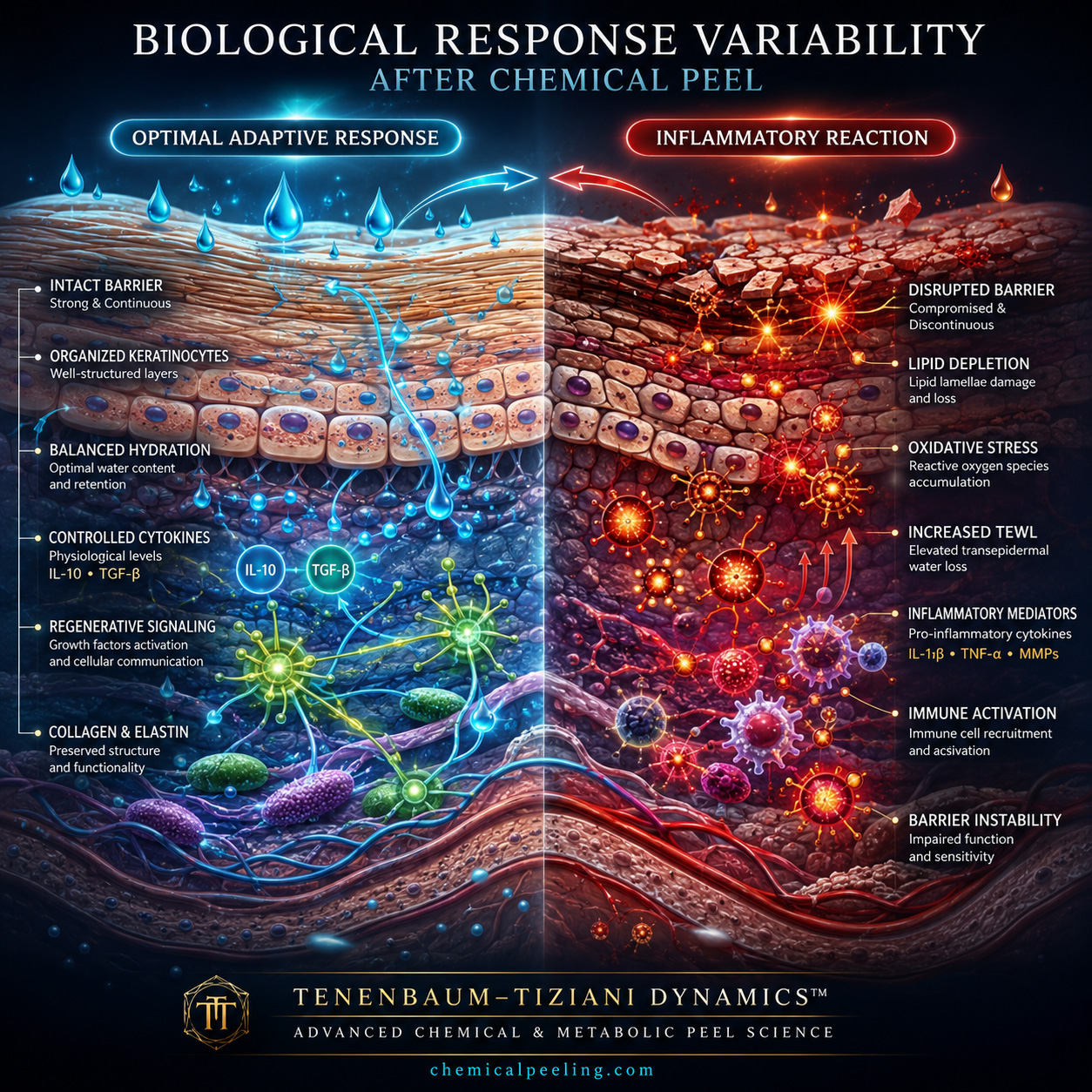
The biological response to chemical and metabolic peels is highly dynamic and cannot be predicted exclusively from acid concentration or nominal pH values. Tissue behavior varies according to epidermal integrity, hydration equilibrium, barrier organization, inflammatory susceptibility, molecular compatibility, environmental exposure, and adaptive cellular response.
Epidermal barrier integrity directly influences molecular penetration, hydration retention, buffering capacity, and inflammatory response. A compromised barrier may significantly alter diffusion behavior and tissue reactivity.
Water content modifies corneocyte organization, intercellular lipid behavior, diffusion kinetics, and acid ionization equilibrium. Hydration therefore becomes a major determinant of biological peel behavior.
Cytokine signaling, oxidative stress, immune activation, and previous tissue irritation may profoundly influence recovery dynamics, post-inflammatory reactions, and adaptive tissue remodeling.
Skin biology continuously adapts according to environmental conditions, previous procedures, UV exposure, climate, topical products, sebaceous activity, and epidermal communication pathways.
“The skin does not respond identically to the same acid. Biological context dynamically modifies tissue behavior.”
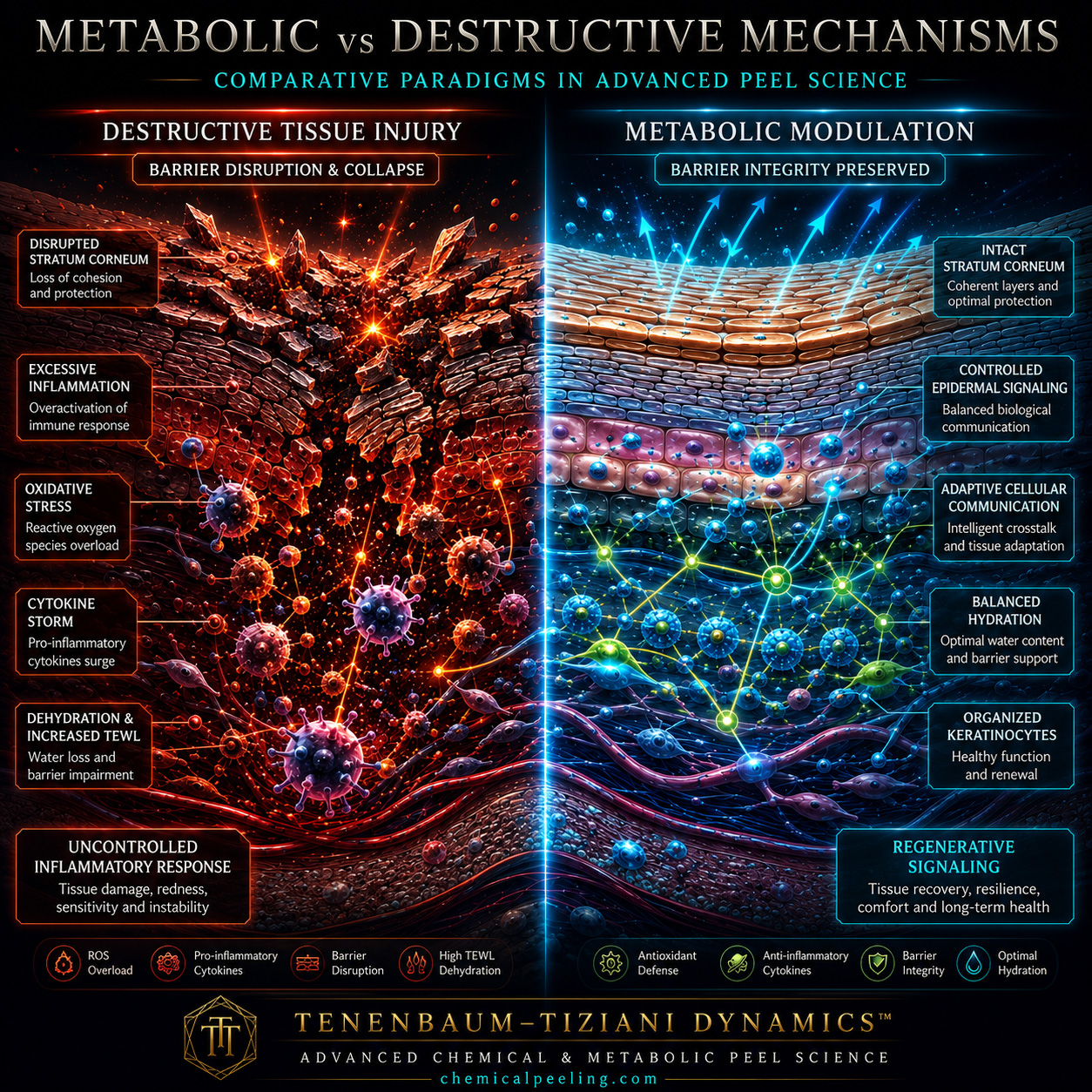
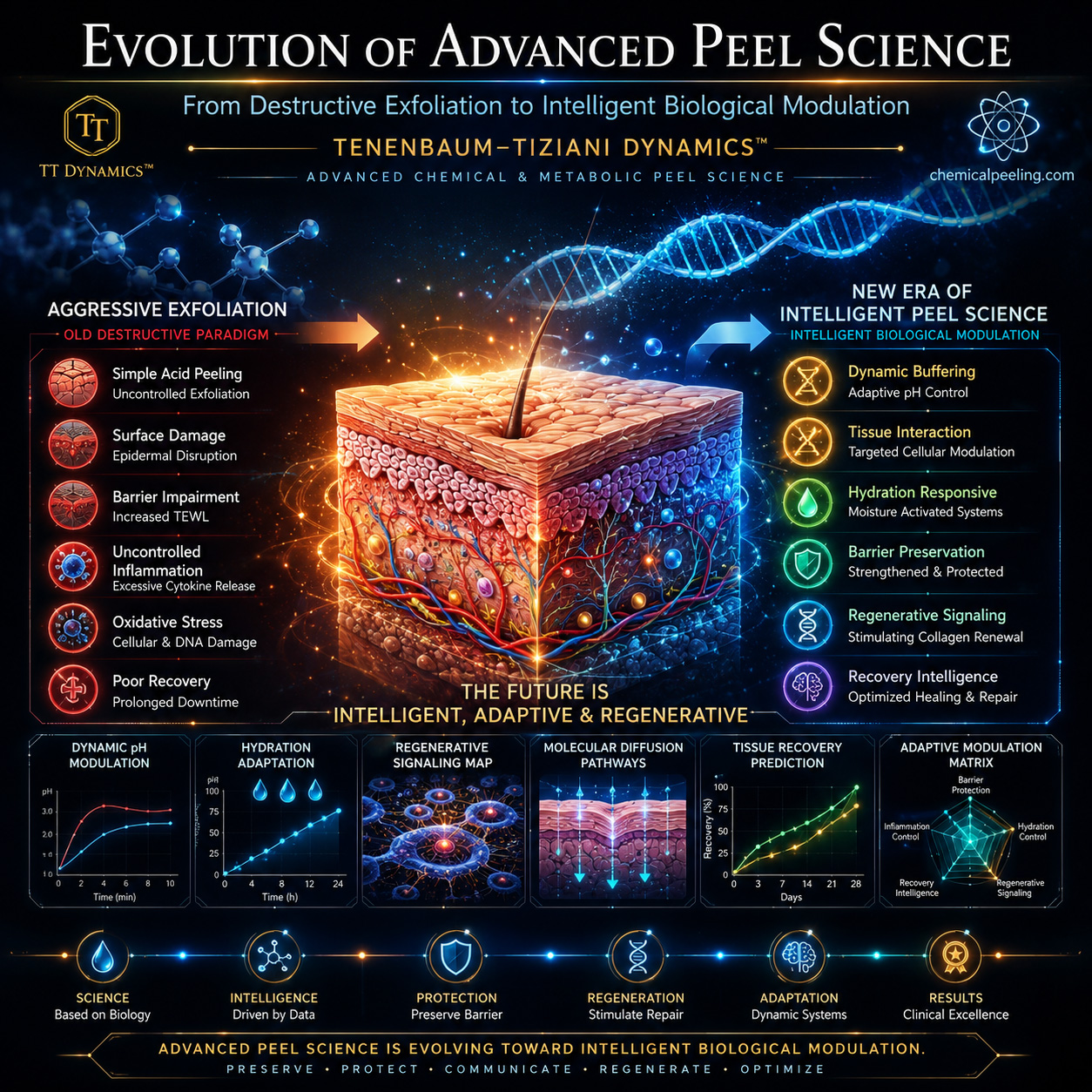
Traditional peel concepts have often been associated with aggressive tissue destruction and uncontrolled injury. Modern metabolic peel science instead explores controlled biological modulation, adaptive signaling, epidermal communication, barrier preservation, and intelligent tissue response.
The modern understanding of peel science increasingly suggests that clinical outcome quality depends not only on exfoliation intensity, but also on how tissues adapt, communicate, recover, hydrate, and regulate inflammatory signaling after exposure to chemical agents.
Within metabolic peel concepts, the epidermis is viewed as an active biological interface capable of adaptive modulation rather than merely a passive structure subjected to chemical destruction.
“Future peel science may progressively evolve from destructive paradigms toward adaptive biological modulation.”
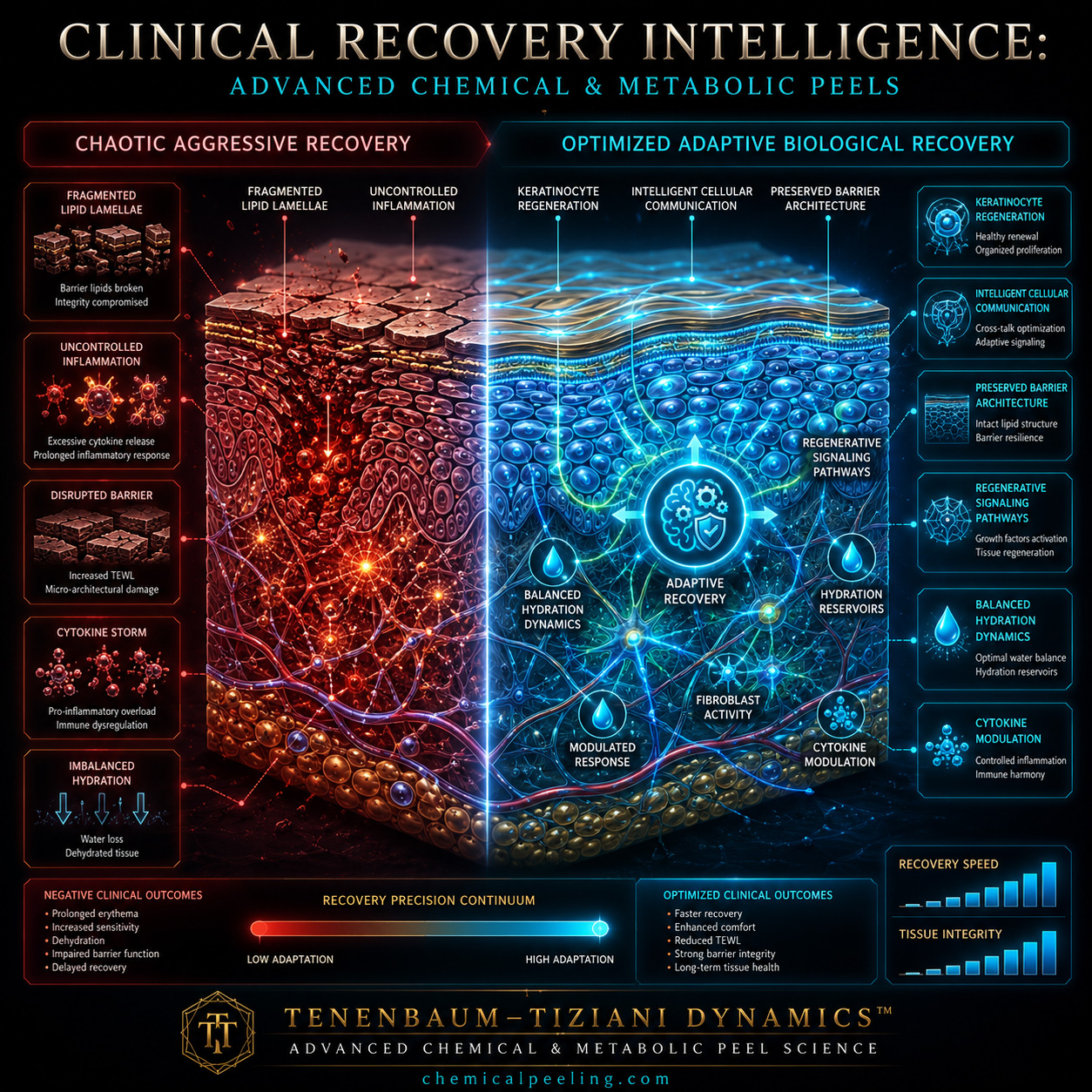
Recovery after a chemical peel is not merely a passive healing phase. It represents a biologically regulated adaptive process involving epidermal communication, hydration redistribution, inflammatory modulation, barrier reconstruction, and regenerative signaling.
Intelligent recovery involves dynamic interactions between keratinocytes, extracellular lipids, cytokine pathways, hydration gradients, vascular response, and tissue remodeling systems.
Preserved barrier architecture allows:
Excessive tissue aggression frequently produces unstable healing, prolonged erythema, dehydration, oxidative stress, and impaired barrier recovery.
The objective is not maximal visible injury, but optimized biological recovery with preserved tissue intelligence and adaptive regenerative communication.
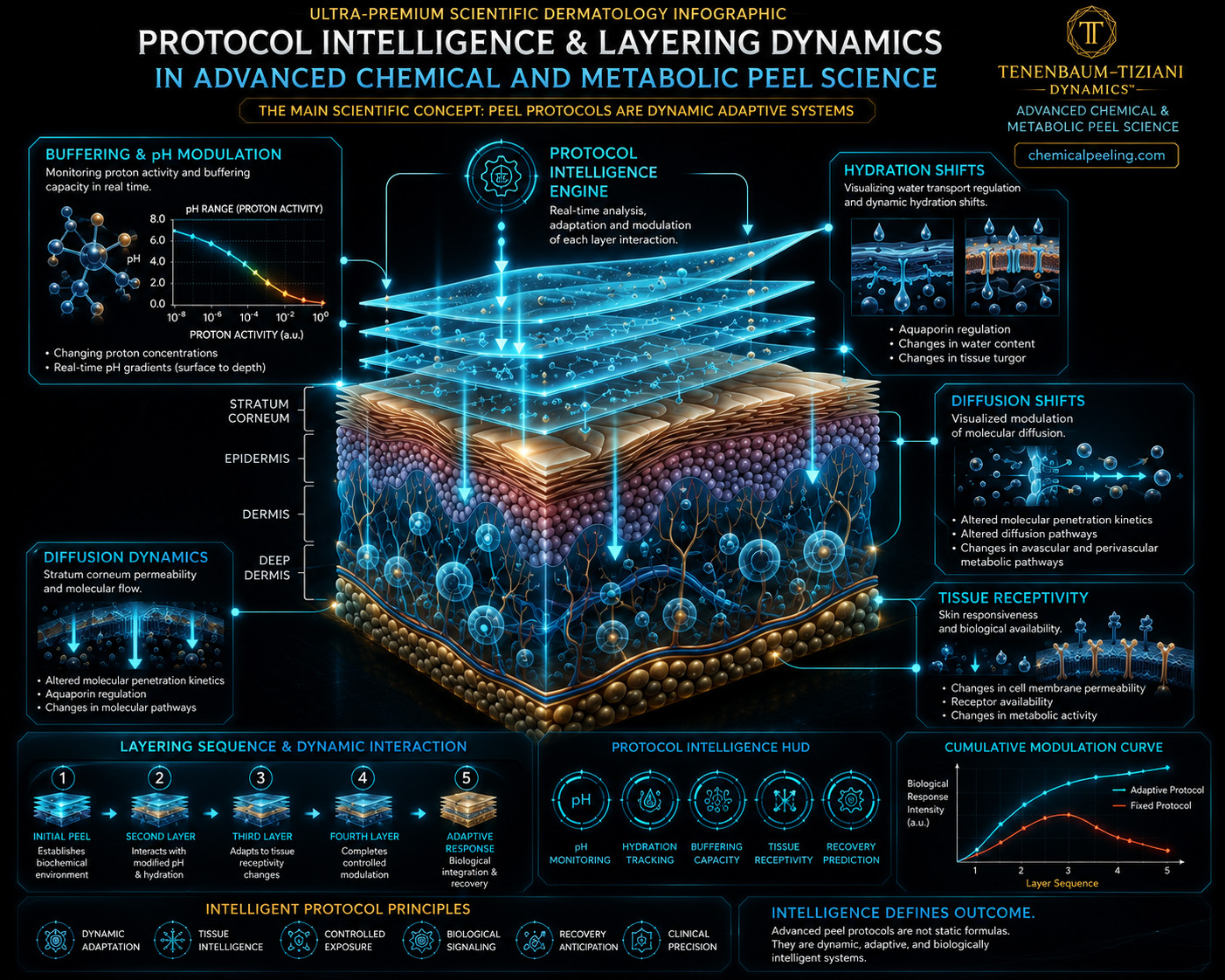
Advanced peel protocols cannot be reduced to acid percentage alone. Layering, contact time, tissue hydration, barrier condition, buffering capacity, vehicle behavior, and clinical endpoint interpretation all influence the final biological response.
Each additional layer interacts with the previous chemical and biological environment. The response depends on evaporation, penetration, buffering, hydration, and evolving tissue receptivity.
Erythema, frosting, warmth, sensitivity, hydration change, and surface texture must be interpreted as biological signals, not only as visual treatment milestones.
The intelligent protocol adapts exposure according to tissue condition, phototype, barrier resilience, inflammatory tendency, and recovery capacity.
Layering strategy should anticipate recovery quality by preserving barrier function, hydration equilibrium, inflammatory control, and regenerative signaling.
In advanced chemical and metabolic peel science, clinical precision arises from the ability to coordinate formulation behavior, tissue condition, biological response, endpoint interpretation, and recovery intelligence into one adaptive therapeutic strategy.
The Tenenbaum–Tiziani Dynamic Interaction Model proposes that chemical peel activity cannot be interpreted as a static acid reaction alone. Biological response depends on continuously evolving interactions between molecular diffusion, epidermal buffering, hydration dynamics, tissue receptivity, barrier integrity, inflammatory modulation, formulation architecture, and adaptive cellular communication.
According to the model, the biological behavior of peel agents evolves continuously after application. The epidermis actively modifies molecular penetration through hydration shifts, ionic buffering, lipid interaction, cellular signaling, and progressive barrier adaptation.
Tissue response therefore depends on:
Conventional peel concepts frequently interpret penetration as a simple consequence of acid concentration or pH alone. The Tenenbaum–Tiziani model instead emphasizes that tissue interaction is dynamic, multidimensional, biologically adaptive, and continuously evolving throughout the procedure.
“The pH applied is not necessarily the pH biologically acting within the tissue microenvironment. Real biological behavior depends on adaptive buffering, hydration state, molecular diffusion, tissue interaction, and epidermal response dynamics.”
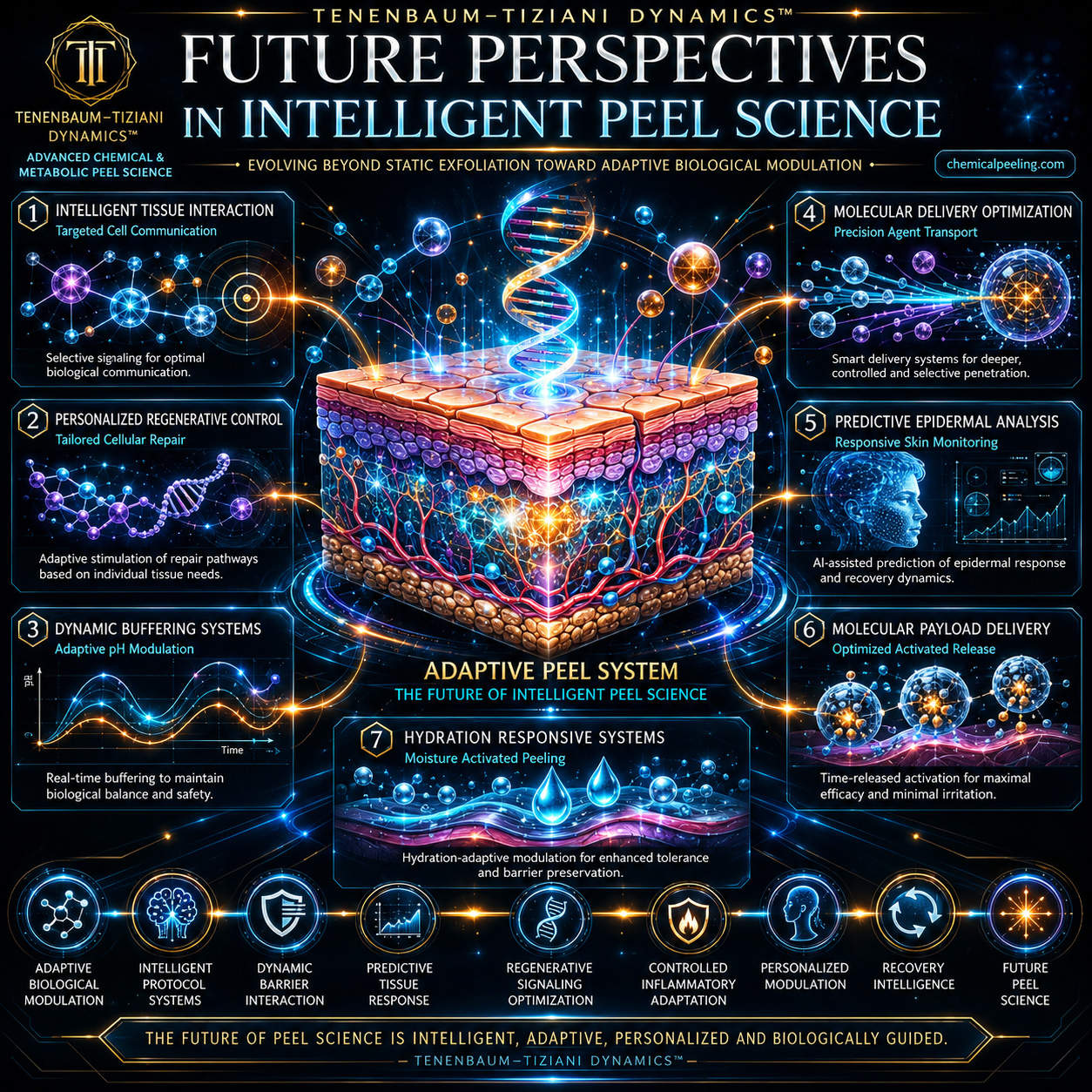
Future chemical peel science is expected to evolve beyond static exfoliation paradigms toward biologically adaptive systems capable of dynamic modulation, intelligent tissue interaction, selective signaling control, and personalized regenerative optimization. Advanced formulations may progressively integrate barrier science, molecular delivery systems, adaptive hydration control, inflammatory modulation, and tissue-response prediction models.
Emerging scientific concepts suggest that future peel systems will increasingly function as adaptive biological interfaces rather than simple corrosive interventions. Formulations may progressively interact with epidermal physiology in a more selective, responsive, and biologically coordinated manner.
Future directions may include:
Future intelligent peel science may progressively integrate dynamic biological assessment capable of adapting protocols according to epidermal receptivity, hydration state, inflammatory susceptibility, barrier resilience, and regenerative signaling capacity.
The future of advanced peel science is likely to move toward adaptive biological modulation systems capable of preserving tissue integrity while optimizing regeneration, recovery, communication, and long-term epidermal resilience.
Advanced chemical and metabolic peel science is progressively evolving beyond simplistic exfoliation paradigms toward intelligent biological modulation systems integrating adaptive tissue interaction, dynamic buffering, hydration-responsive modulation, controlled recovery, regenerative communication, and epidermal resilience preservation.
The biological response generated by a peel is not exclusively determined by acid concentration or pH. Clinical outcomes emerge from a highly dynamic interaction between formulation architecture, epidermal buffering capacity, hydration shifts, tissue receptivity, diffusion kinetics, inflammatory modulation, and adaptive recovery mechanisms.
Modern intelligent peel systems therefore aim to:
Future perspectives in advanced peel science may progressively integrate adaptive formulation systems, predictive biological analysis, hydration-responsive modulation, molecular delivery optimization, regenerative communication pathways, and dynamic tissue-response anticipation.
The future of advanced peel science is not maximal visible tissue destruction, but intelligent biological modulation capable of preserving epidermal functionality while optimizing regenerative, adaptive, and clinical outcomes.
Peel behavior is dynamically modulated by epidermal and dermal biological interaction systems.
Barrier preservation and adaptive hydration regulation are central to optimized tissue outcomes.
Clinical recovery quality strongly influences long-term biological and visible results.
Intelligent peel systems will progressively integrate predictive, regenerative, and biologically adaptive modulation models.
No. Modern peel science extends beyond visible exfoliation. Chemical and metabolic peels may influence diffusion dynamics, epidermal buffering, hydration regulation, barrier behavior, cellular signaling, inflammatory modulation, and adaptive recovery.
The applied pH is not always the biologically active pH within the epidermal microenvironment. Skin buffering, hydration, ionization state, vehicle behavior, evaporation, lipid affinity, and tissue receptivity all modify the final biological response.
Metabolic peel concepts emphasize controlled biological modulation rather than simple destructive injury. The objective is to support adaptive tissue interaction, barrier preservation, hydration balance, regenerative signaling, and coordinated recovery.
Hydration influences corneocyte organization, diffusion kinetics, ionization behavior, epidermal flexibility, and recovery quality. TEWL reflects barrier function and helps explain why the same peel may behave differently depending on tissue condition.
Biological response varies according to barrier integrity, phototype, inflammation tendency, hydration state, environmental exposure, previous procedures, home care products, sebaceous activity, and individual recovery capacity.
The core message is that peel behavior is dynamic, not static. Clinical response emerges from continuous interaction between formulation chemistry, epidermal biology, buffering systems, hydration, diffusion, signaling, and tissue recovery intelligence.
Mechanisms of action in modern peel science extend beyond surface exfoliation. They involve dynamic buffering, diffusion behavior, epidermal signaling, hydration regulation, controlled inflammation, formulation architecture, and biologically guided recovery.
We use cookies and similar technologies to improve your experience on our website.