Skin Barrier Function:
the biological shield of the skin
The skin barrier is not only a passive surface. It is a highly organized biological interface where corneocytes, intercellular lipids, natural moisturizing factors and surface pH work together to regulate water retention, external protection and epidermal comfort.
In chemical peeling and cosmetic dermatology, respecting this barrier is essential: the objective is not only to exfoliate, but to preserve functional recovery, epidermal balance and long-term skin quality.
The stratum corneum is a functional structure, not dead decoration.
The outermost layer of the epidermis is often described as the “brick and mortar” system: corneocytes form the structural bricks, while the intercellular lipid matrix forms the mortar.
This organization allows the skin to reduce excessive water loss, limit uncontrolled penetration of external substances, and maintain a stable surface environment.
Clinical meaning
A peel, cleanser, cream or post-procedure product should be evaluated not only by its immediate visible effect, but also by its impact on barrier continuity, lipid organization and epidermal comfort.
Three systems define barrier performance.
Corneocyte integrity
Corneocytes provide mechanical cohesion and surface resilience. Their organization influences scaling, smoothness, roughness and visible skin texture.
Intercellular lipid matrix
Ceramides, cholesterol and free fatty acids create lamellar lipid layers that support permeability control and reduce transepidermal water loss.
Hydration and NMF
Natural moisturizing factors and water-binding components help maintain flexibility, comfort and a hydrated stratum corneum.
The lipid matrix is the biological lock.
The barrier cannot be reduced to simple hydration. Water retention depends strongly on the organization of lipids between corneocytes. When this matrix is altered, the skin may become dry, reactive, rough or less tolerant to procedures.
Barrier lipids work as a coordinated system.
Ceramides contribute to lamellar organization. Cholesterol supports lipid phase behavior and structural flexibility. Free fatty acids, including essential fatty acid derivatives, participate in barrier architecture and surface function.
A modern barrier-supportive formulation should therefore avoid simplistic “one ingredient” logic. The most intelligent approach is to respect the skin’s own lipid ecology.
Hydration is not the same as occlusion.
Hydration support
Hydration-supportive care helps the stratum corneum retain water through humectants, natural moisturizing factors and barrier-compatible ingredients.
Occlusive protection
Occlusion may reduce evaporation, but it does not automatically restore the lipid matrix. Barrier care should support both water retention and biological surface organization.
Every peel interacts with the barrier before it reaches deeper biological logic.
Chemical peeling begins at the skin surface. The stratum corneum, hydration status, lipid organization and corneocyte compactness influence clinical tolerance, visible recovery and post-procedure comfort.
This is why professional protocols should consider preparation, procedure intensity and recovery support as one coherent biological sequence — not as isolated steps.
Clinical Principle
Chemical peeling should be approached as a controlled biological modulation rather than a purely destructive process.
Clinical outcomes depend on the balance between induced transformation and preservation of barrier function, hydration dynamics and epidermal recovery capacity.
How to read barrier function in cosmetic dermatology.
| Dryness | May reflect water loss, insufficient humectant balance, lipid disorganization or external stress. |
| Rough texture | Often linked to altered corneocyte cohesion, scaling pattern and superficial renewal dynamics. |
| Reactivity | Can occur when the barrier is less tolerant to environmental, cosmetic or procedural exposure. |
| Post-peel discomfort | Should be interpreted through procedure intensity, barrier condition and recovery support. |
From barrier science to clinically coherent skin support.
Skin barrier function is not an isolated concept. It directly informs product selection, post-procedure care and the way hydration, lipid balance and surface comfort are supported in professional cosmetic dermatology.
Ceramides & Barrier Lipids
Explore why ceramides, cholesterol and fatty acids are central to barrier-oriented skin care, lamellar lipid organization and epidermal resilience.
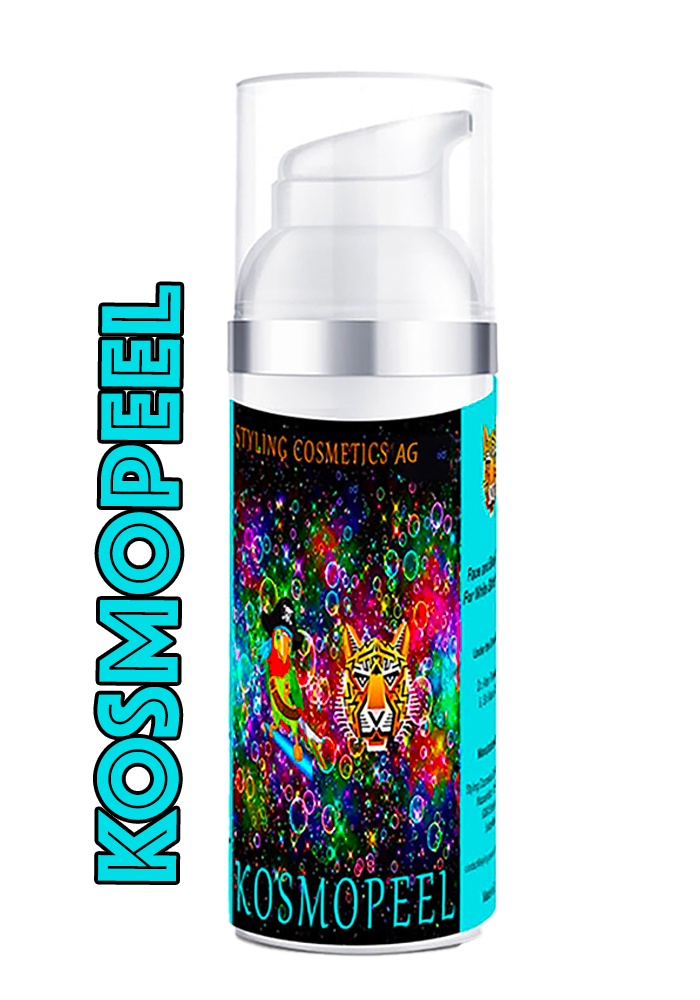
Kosmopeel
A protective moisturizing cream positioned for dry environments, external stress, skin comfort and barrier-oriented surface support.
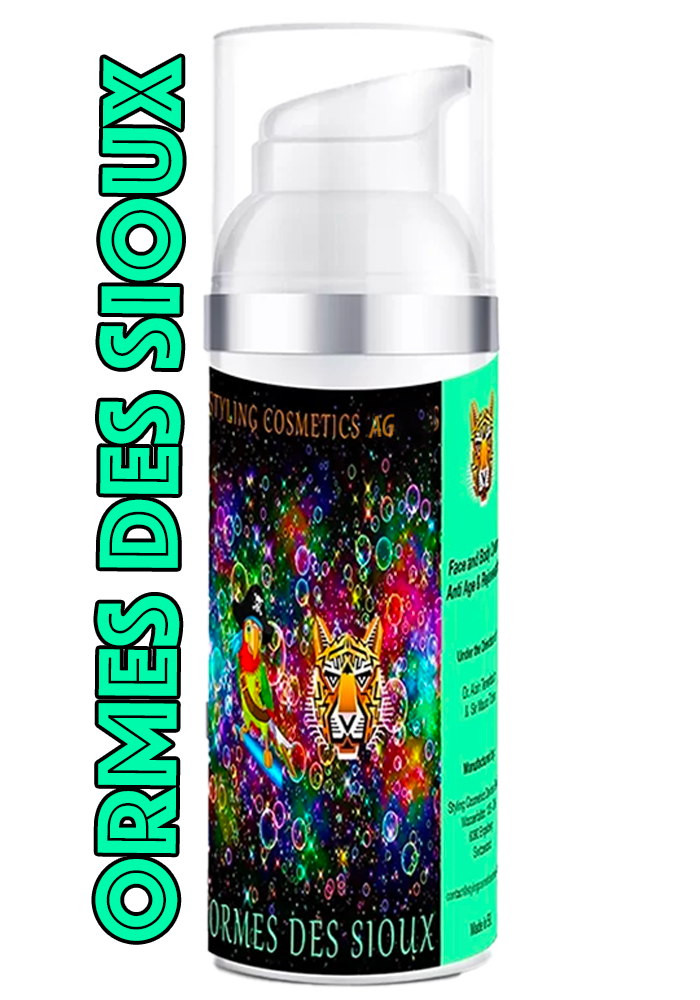
Ormes des Sioux
A metabolic formulation connected to hydration logic, epidermal comfort, water balance and skin surface resilience.
Skin barrier function — essential answers.
What is the main role of the skin barrier?
Its main role is to protect the body from excessive water loss and uncontrolled external penetration, while maintaining a stable epidermal surface environment.
Why are ceramides important?
Ceramides are major lipids of the stratum corneum and contribute to the lamellar organization required for an efficient permeability barrier.
Is hydration enough to repair the barrier?
Not always. Hydration helps comfort and flexibility, but barrier quality also depends on lipid organization, surface pH, corneocyte cohesion and external stress management.
Why does barrier function matter before and after peels?
A compromised barrier may reduce tolerance and comfort. Barrier-supportive care helps frame peeling as a controlled biological procedure rather than a purely destructive exfoliation.
Go deeper into barrier lipid science.
Skin barrier function is the foundation of intelligent cosmetic dermatology. Continue with the dedicated ceramide page to understand how lipid architecture supports hydration, resilience and epidermal recovery.