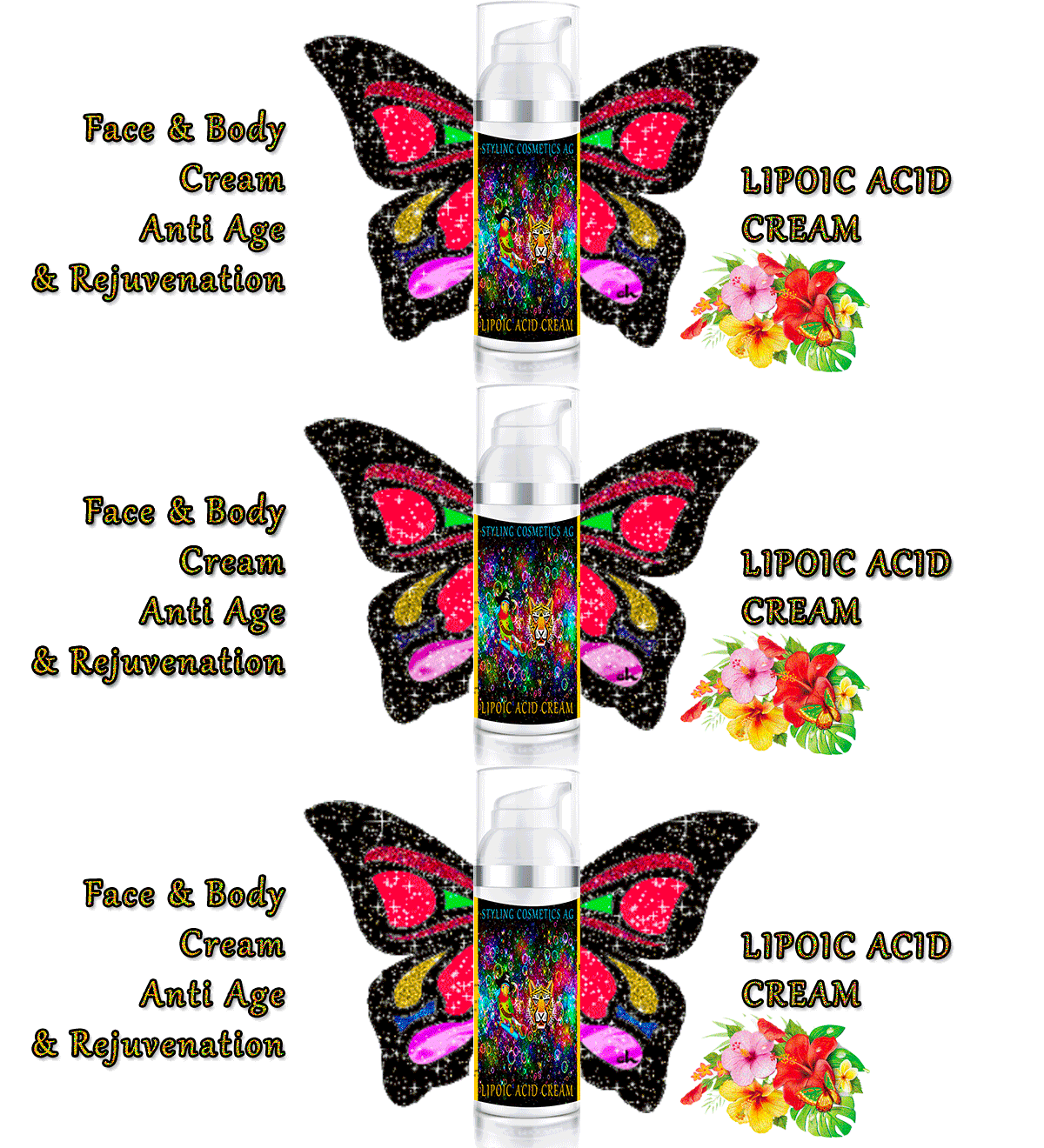
Dermatology • Aesthetic Medicine • Clinical Classification

Clinical Indications
for Chemical Peels

A structured overview of dermatologic, aesthetic and corrective peeling indications

Chemical peels are not limited to simple cosmetic exfoliation. When properly selected, they can be integrated into structured protocols addressing barrier dysfunction, pigmentary irregularities, acne-prone skin, photoaging, surface texture disorders and region-specific aesthetic concerns. This page provides a clinically organized overview of the main indications, helping physicians identify which peeling strategies may be most appropriate according to skin condition, treatment objective and anatomical area.

Clinical indications for chemical peels in aesthetic and dermatologic medicine
From supportive skin conditioning to targeted corrective peeling protocols
Barrier Support & Hydration Photoaging & Wrinkles Acne & Sebaceous Disorders Pigmentation Disorders Texture, Pores & Scars Face, Body & Intimate Areas

Explore the indications below through a structured classification designed for physicians, educators and advanced aesthetic practitioners seeking a more precise therapeutic orientation.

Clinical Classification Summary

A structured medical framework for understanding peeling indications

Chemical peels may be clinically grouped into supportive, corrective, pigment-regulating, anti-acne, resurfacing and region-specific strategies. Their indication depends not only on the visible lesion, but also on epidermal barrier status, sebaceous activity, inflammatory burden, pigment distribution, skin reactivity, dermal aging and anatomical sensitivity. A structured classification therefore helps physicians move from general aesthetic goals toward more precise and medically coherent therapeutic decisions.

Supportive & Preventive Indications

These include barrier support, hydration, skin comfort, superficial revitalization and maintenance-oriented care for fragile, sensitive or chronically stressed skin.

Corrective & Regulatory Indications

This group includes acne-prone skin, dyschromia, sebaceous imbalance, photoaging and other conditions requiring targeted regulation of epidermal renewal and skin function.

Structural & Region-Specific Indications

Surface irregularities, scars, texture disorders and anatomically sensitive areas may require adapted protocols based on tissue thickness, local tolerance and clinical objective.

Section 1 • Supportive Clinical Indications

Skin Conditioning, Barrier Support & Hydration

Protection, recovery and dermal comfort for weakened, sensitive or dehydrated skin

Supportive peeling strategies are not primarily designed for aggressive correction, but for restoring cutaneous balance, improving tolerance and preparing the skin for more advanced procedures. In this context, the clinical objective may include barrier recovery, superficial revitalization, better hydration, reduction of dullness and optimization of skin comfort in fragile or chronically stressed skin.

Clinical Focus

Typical goals include strengthening epidermal resilience, reducing superficial reactivity, enhancing hydration, supporting post-exposure recovery and maintaining skin quality in patients who do not yet require deeper corrective protocols.

intensive hydration and supportive skin conditioning for fragile or dehydrated skin
Supportive Care

Basic Skin Care, Protection & Hydration

Supportive peeling approaches intended to improve comfort, hydration and superficial radiance while respecting fragile epidermal balance.

epidermal hydration and dermal moisture balance with uva and uvb skin protection diagram
Hydration

Moisturizers & Dermal Comfort

Indications focused on dehydration, superficial tightness and dull skin requiring restoration of softness, suppleness and tolerance.

clinical skin recovery and barrier repair after superficial peeling or environmental stress
Recovery

Skin Recovery & Barrier Support

Suitable for skin exposed to environmental stress, repeated cosmetic procedures or functional imbalance requiring a softer clinical approach.

supportive peeling considerations and pigment-safe care strategies for skin of color
Tolerance

Skin of Color Considerations

Selected supportive protocols may help preserve skin quality while respecting pigmentary sensitivity and reducing unnecessary irritation.

Related Clinical Logic

Supportive and hydration-oriented indications often represent the first therapeutic step before moving toward more corrective peeling strategies for acne, dyschromia, wrinkles or texture remodeling.

Section 2 • Aging Indications

Photoaging, Chronoaging & Periorbital Aging

Correction of wrinkles, skin texture irregularities and early structural aging

Aging of the skin results from both intrinsic biological processes and cumulative environmental exposure, particularly ultraviolet radiation. Chemical peeling strategies may help improve epidermal renewal, soften wrinkles, refine skin texture and enhance overall skin luminosity while maintaining a controlled and progressive therapeutic approach.

solar lentigines and photoaging of facial skin
Photoaging

Photoaging & Sun Damage

Ultraviolet radiation progressively alters collagen structure and epidermal renewal, leading to uneven tone, dullness and superficial wrinkles.

intrinsic skin aging and facial skin laxity
Intrinsic Aging

Chronoaging & Skin Laxity

Intrinsic aging leads to gradual dermal thinning, decreased elasticity and progressive structural weakening of the skin.

periorbital aging and eye contour skin care
Periorbital Area

Periorbital Aging

The delicate skin around the eyes is particularly susceptible to wrinkles, pigmentation and early signs of aging.

facial wrinkles and fine lines associated with skin aging
Wrinkles

Wrinkles & Fine Lines

Controlled exfoliation stimulates epidermal renewal and may soften superficial wrinkles and improve skin texture.

Section 3 • Acne-Related Indications

Acne, Sebaceous Disorders & Acne Sequelae

Management of comedonal acne, inflammatory lesions, sebaceous imbalance and post-acne skin alterations

Acne-related peeling indications include non-inflammatory retention lesions, inflammatory eruptions, sebaceous hyperactivity and the residual cutaneous consequences of acne. Clinical strategy must be adapted according to lesion type, sebum production, inflammatory burden, skin sensitivity and the presence of post-acne marks or textural sequelae.

Clinical Focus

Typical goals include reducing follicular retention, improving sebaceous balance, limiting inflammatory progression, refining pore appearance and addressing residual textural or pigmentary changes after acne.

juvenile acne inflammatory papules and comedones on adolescent face
Comedonal Acne

Juvenile Acne & Comedonal Acne

Includes open and closed comedones, early retention lesions and mild juvenile acne patterns requiring progressive keratolytic and seboregulating approaches.

adult acne inflammatory lesions on cheek dermatology
Inflammatory Acne

Persistent / Adult Acne

Intended for recurrent inflammatory lesions, persistent acne patterns and acne-prone adult skin requiring careful regulation and tolerance-conscious protocols.

open comedones and sebaceous hyperactivity on nose dermatology
Sebaceous Balance

Sebaceous Disorders

Covers seborrhea, oily skin, enlarged pores and other sebum-related functional imbalances that may benefit from superficial regulating peeling strategies.

post acne scars and post inflammatory erythema on cheek
Post-Acne Changes

Acne Sequelae

Includes acne scars, post-inflammatory hyperpigmentation and surface irregularities that remain after active acne lesions have subsided.

Related Clinical Logic

Acne-oriented indications often require a distinction between active lesions, sebaceous dysfunction and residual post-acne changes, allowing peeling strategies to be adapted more precisely to the dominant clinical problem.

Section 4 • Pigmentary Indications

Pigmentation Disorders & Uneven Skin Tone

Management of dyschromia, melanin irregularities and visible pigment imbalance

Pigmentary indications include epidermal and mixed dyschromias, uneven skin tone, photo-induced pigment alterations and post-inflammatory marks. Peeling strategies must be adapted according to pigment depth, skin phototype, barrier tolerance, inflammatory history and the risk of rebound hyperpigmentation.

Clinical Focus

Typical goals include reducing visible discoloration, improving tonal uniformity, minimizing pigment recurrence and selecting protocols compatible with sensitive or darker phototypes.

facial melasma and hyperchromia pigmentary disorder
Melasma

Melasma & Hyperchromia

Includes hormonally influenced and photo-aggravated facial hyperpigmentation patterns requiring carefully regulated pigment-oriented protocols.

solar lentigines and sun induced facial pigmentation
Sun-Induced Pigment

Solar Lentigines

Targets localized photo-induced pigmented macules and cumulative sun damage associated with uneven facial coloration.

post inflammatory hyperpigmentation after acne or skin inflammation
PIH

Post-Inflammatory Hyperpigmentation

Refers to pigmentary marks appearing after acne, irritation or inflammatory events, particularly relevant in reactive and darker skin phototypes.

uneven skin tone and generalized facial dyschromia
General Dyschromia

Uneven Skin Tone

Includes diffuse tonal irregularity, dullness, mixed discoloration and non-uniform complexion patterns requiring progressive corrective refinement.

Related Clinical Logic

Pigmentary disorders often require stricter protocol selection, photoprotection support and recurrence prevention, especially in melasma-prone, reactive or higher-phototype skin.

Section 5 • Region-Specific Indications

Targeted Peeling for Face, Body & Intimate Areas

Region-adapted peeling strategies for sensitive, exposed or anatomically specific treatment areas

Certain anatomical areas require more specific peeling selection because of differences in skin thickness, vascularity, pigment reactivity, friction exposure and local sensitivity. Region-specific protocols help optimize efficacy while reducing irritation and improving tolerance in targeted facial, body and intimate zones.

Clinical Focus

Typical goals include improving local pigmentation, refining texture, restoring luminosity and adapting peeling depth or formulation according to anatomical vulnerability and indication profile.

lip peeling and perioral skin refinement
Perioral Area

Lips & Perioral Area

Intended for region-specific refinement of lip contour, superficial perioral dyschromia and localized textural irregularities.

neck peeling and cervical skin rejuvenation
Cervical Area

Neck Rejuvenation

Designed for visible cervical photoaging, fine wrinkling, textural decline and localized pigment irregularity in thinner skin.

body peeling for texture and pigmentation correction
Body Areas

Body Peeling

Covers localized body dyschromia, rough texture, follicular irregularity and surface correction in region-adapted protocols.

intimate peeling for localized hyperpigmentation
Intimate Area

Intimate Hyperpigmentation

Region-specific protocols intended for localized pigment imbalance in sensitive intimate areas requiring strict tolerance and precision.

Related Clinical Logic

Region-specific indications often require a more cautious balance between efficacy and local tolerance, especially in thin, friction-prone or pigment-sensitive anatomical areas.

Section 6 • Combined Clinical Strategies

Combinative & Multi-Target Peeling Approaches

Flexible strategies for mixed concerns, overlapping indications and progressive skin correction

In real clinical practice, many patients present with combined concerns rather than isolated indications. Peeling protocols may therefore be selected not only for one visible lesion, but for broader treatment objectives involving texture, tone, sebum regulation, luminosity, localized dyschromia and overall skin quality improvement.

Clinical Focus

Typical goals include combining corrective and supportive effects, progressively improving more than one skin parameter and selecting protocols capable of addressing complex or evolving indication profiles.

combined correction of texture and uneven skin tone
Combined Correction

Texture & Tone Refinement

Suitable for patients presenting with uneven texture, dull tone and superficial irregularities requiring broad, progressive aesthetic improvement.

combined management of oily skin and pigmentation irregularities
Mixed Functional Profile

Sebum & Pigment Regulation

Intended for mixed presentations combining sebaceous imbalance, visible pores, residual marks and tonal irregularity.

combined maintenance and corrective peeling strategy
Progressive Strategy

Maintenance & Correction

Supports treatment plans aiming to preserve skin quality while gradually correcting visible concerns over time rather than through isolated intervention.

empirical and adaptive multi target peeling approach
Adaptive Approach

Empirical Multi-Target Peeling

Reflects flexible protocol selection when the dominant indication is mixed, evolving or not fully reducible to one single diagnostic category.

Related Clinical Logic

Combined peeling indications reflect real-life dermatologic practice, where treatment planning often requires progressive improvement of multiple skin parameters rather than a single isolated concern.

Section 7 • Versatile Clinical Solutions

Multi-Target / Empirical / All-in-One Solutions

Versatile peeling concepts for broad indications, mixed needs and flexible clinical adaptation

Some peeling strategies are not designed for a single narrowly defined indication, but for broader clinical situations in which several aesthetic or dermatologic goals coexist. These approaches may support global skin improvement, progressive correction, empirical adaptation and broader-spectrum treatment logic when patient presentation is mixed, evolving or functionally complex.

Clinical Focus

Typical goals include addressing several visible concerns at once, simplifying protocol logic in selected cases and using adaptable peeling concepts when one isolated indication does not fully explain the patient’s treatment needs.

all in one skin improvement and global complexion refinement
All-in-One Concept

All-in-One Skin Improvement

Intended for broad skin enhancement goals combining luminosity, smoother texture, improved comfort and overall visual refinement in one strategy.

empirical peeling strategies for mixed clinical indications
Empirical Strategy

Empirical Peeling Strategies

Reflects adaptable protocol selection in mixed or borderline cases where practical response and tolerability guide treatment refinement.

multi target peeling treatment concepts for combined clinical concerns
Broad-Spectrum Logic

Multi-Target Treatment Concepts

Suitable when several visible concerns coexist and treatment planning benefits from one coherent protocol rather than multiple isolated interventions.

flexible clinical adaptation of peeling protocols
Adaptive Protocols

Flexible Clinical Adaptation

Emphasizes protocol versatility when indication priority changes over time or when patient response requires progressive clinical adjustment.

Related Clinical Logic

Multi-target and empirical solutions reflect the practical reality of aesthetic dermatology, where one protocol may reasonably serve several objectives when selected with experience, caution and progressive adaptation.

Section 8 • Clinical FAQ

Clinical FAQ About Chemical Peels

Short answers to the main clinical questions raised by peeling indications

Chemical peels are not selected only according to one cosmetic objective. Their clinical relevance depends on skin condition, anatomical area, pigment profile, inflammatory background, barrier tolerance and the need for single-target or multi-target correction.

Which skin conditions can benefit from chemical peels?

Chemical peels may be used for supportive skin conditioning, photoaging, acne-related disorders, pigmentation irregularities, uneven texture, selected scars and region-specific concerns involving the face, body or intimate areas.

Are all acne types treated with the same peeling strategy?

No. Comedonal acne, inflammatory acne, sebaceous imbalance and post-acne sequelae do not require exactly the same approach. The protocol must be adapted to lesion type, inflammatory activity and skin tolerance.

Is pigmentation treated differently from photoaging?

Yes. Although pigment disorders and photoaging may overlap, pigmentation management requires more specific attention to melanin distribution, rebound risk, phototype and recurrence prevention.

Can chemical peels be adapted to sensitive areas?

Yes. Sensitive and region-specific areas such as the perioral zone, neck, body folds or intimate areas require more cautious protocol selection, with attention to local tolerance and anatomical vulnerability.

Are peeling strategies the same for all skin phototypes?

No. Skin phototype influences pigment risk, irritation response and recovery profile. In darker or more reactive skin, protocol selection must be especially careful to minimize post-inflammatory pigmentation.

Can one peeling protocol address several concerns at once?

In selected cases, yes. Some protocols are used in a multi-target or adaptive way when tone, texture, sebum, superficial aging and maintenance goals overlap within the same clinical presentation.

This page is designed as a structured clinical overview. Detailed protocols, indication-specific pages and treatment logic can then be explored according to the physician’s preferred level of depth.

👤 Basic Skin Care, Protection & Hydration
⚕️ Barrier Support, Photoprotection & Dermal Hydration

Moisturizers

Best Product : Les Félins

A moisturizer cream is an essential part of a skincare routine, working wonders to keep your skin hydrated and healthy. It is a product that helps to replenish and lock in moisture, preventing dryness and promoting a supple complexion.

Sun Protector

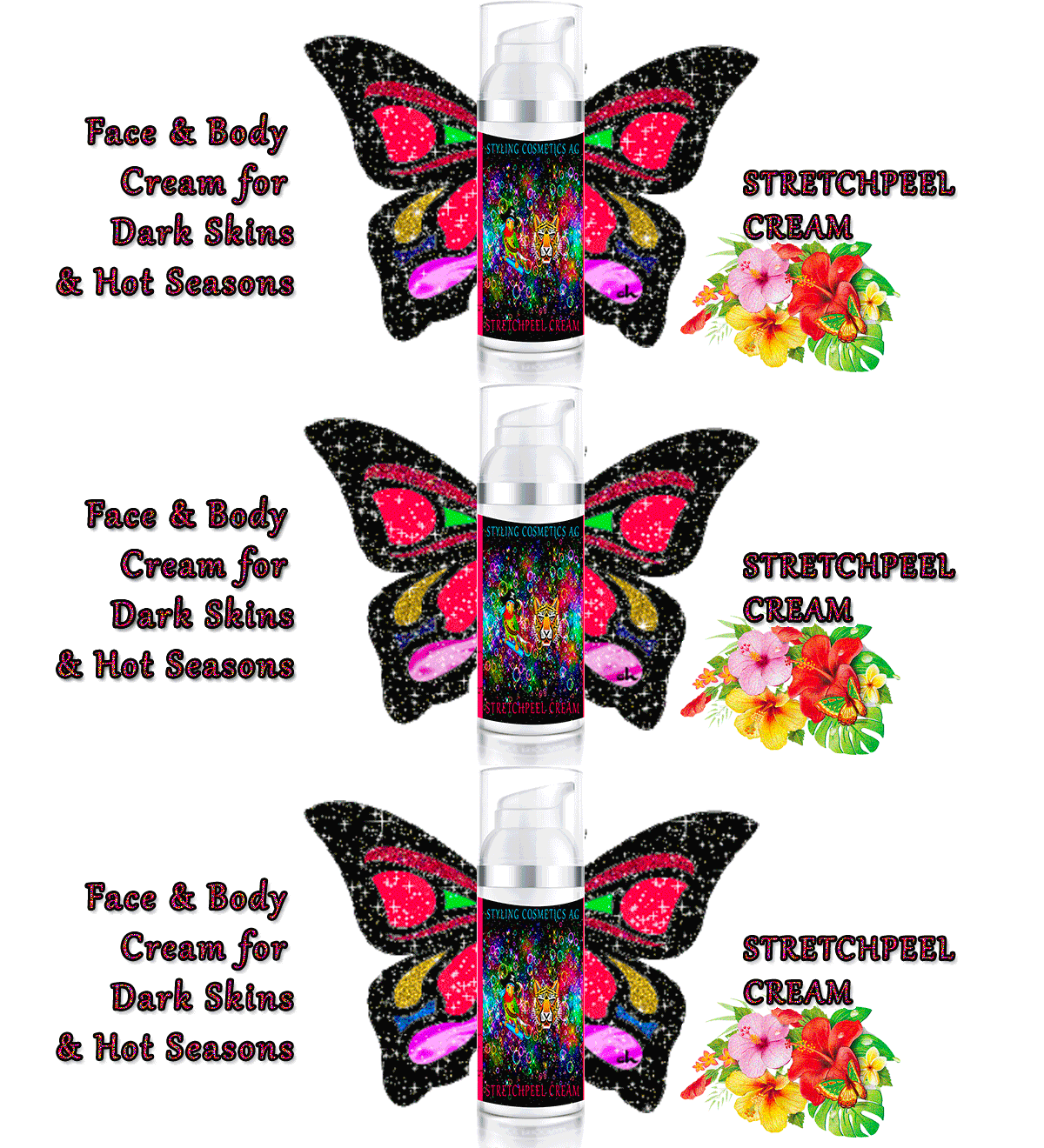
Best Product : StretchPeel
sunscreen

When it comes to protecting your skin from the harmful effects of the sun, finding the right sunscreen is crucial. That's why many people are turning to sunprotector creams that are not only alcohol-free but also offer protection against both UVA and UVB rays. Alcohol-free sunprotector creams are a popular choice for those understanding that alcohol under the sun is harmful for the skin and may provoke melasmas.

Cold Protector

Best Product :KosmoPeel
cold protector

Are you tired of suffering from the discomfort caused by the cold weather? Look no further than a ColdProtector Cream named KosmoPeel, the ultimate solution to shield your skin from the harsh effects of the cold. This innovative cream is specially formulated to provide a protective barrier, keeping your skin hydrated and nourished even in the harshest conditions.
Skin Boosters

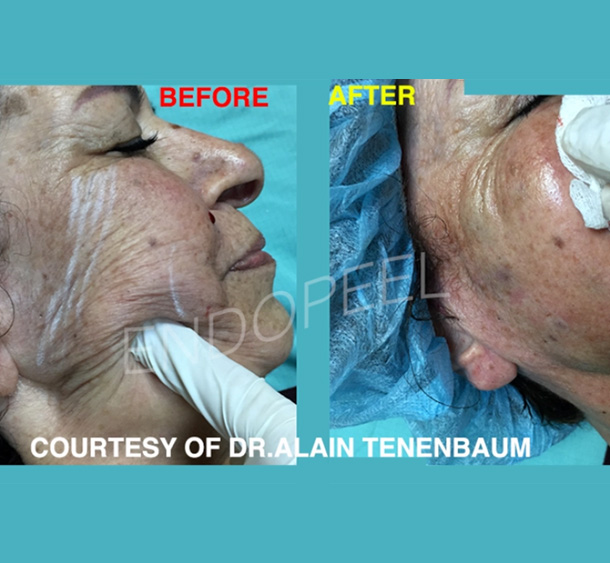
Skin Booster Treatments : Endopeel

Are injectable skin treatments formulated to aid in the hydration and rejuvenation of the skin. Developed with beneficial, moisture-surging properties – skin booster treatments have been designed to deliver saturating hydration to the deeper dermis.
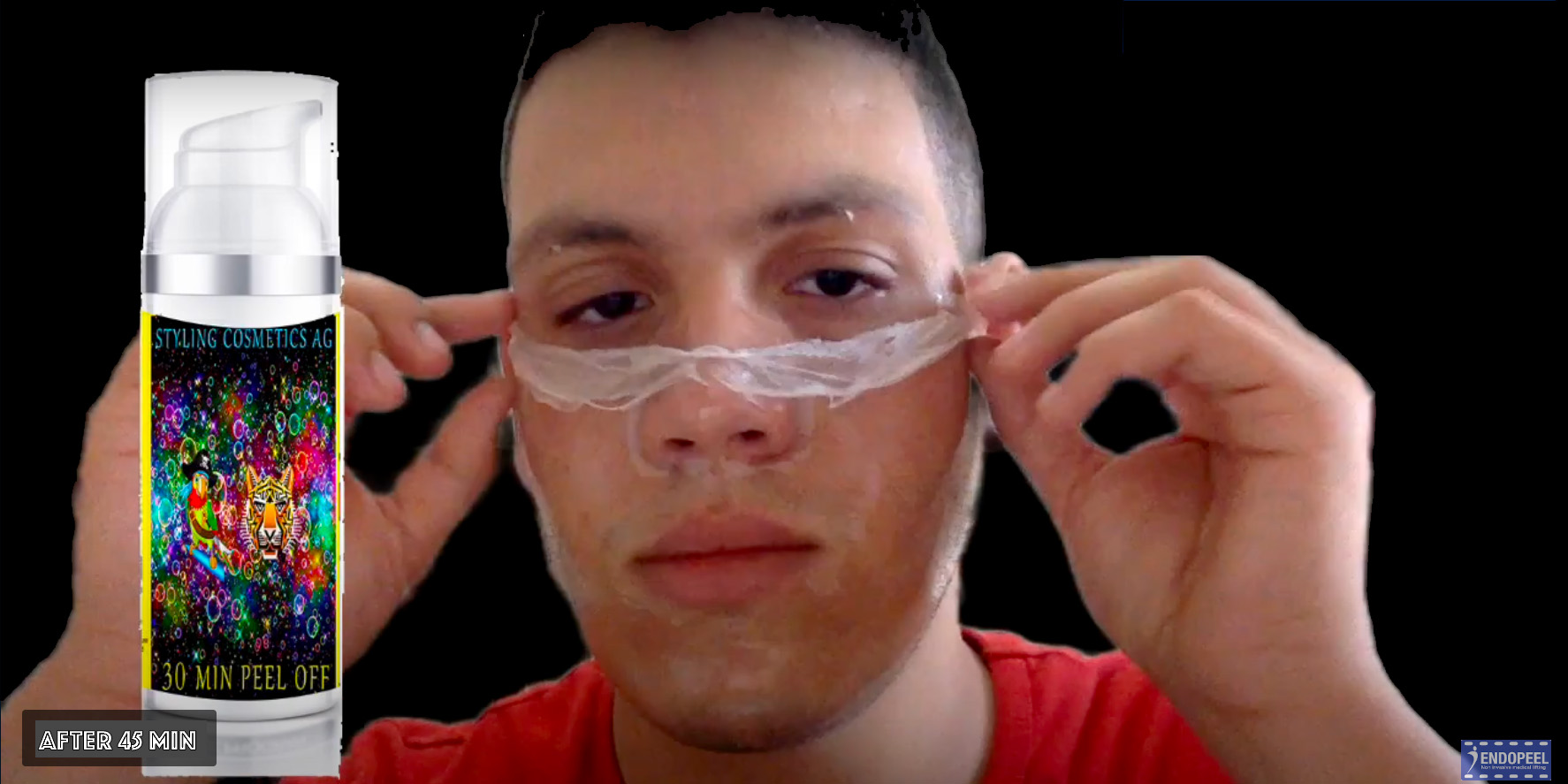
Peeling at Home

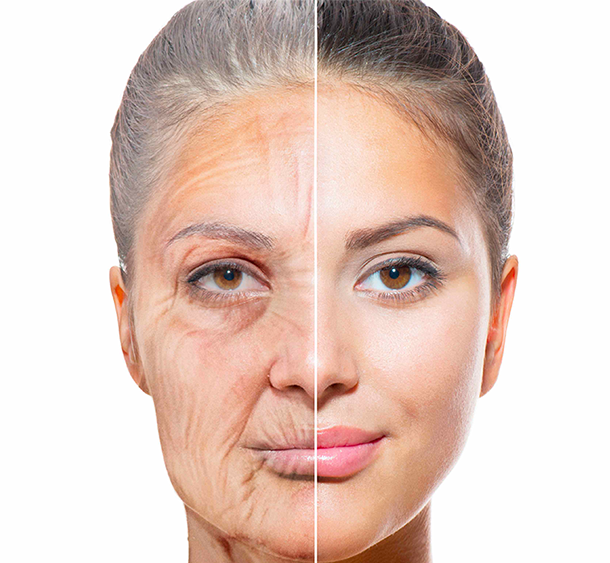
Immediate Results after 45 Minutes

👤 Anti-Aging & Aesthetic Skin Concerns
⚕️ Chronoaging, Periorbital Aging & Dermal Remodeling

Anti Aging

Best Product : Lipoic Acid Cream
anti-age

A moisturizer cream is an essential part of a skincare routine, working wonders to keep your skin hydrated and healthy. It is a product that helps to replenish and lock in moisture, preventing dryness and promoting a supple complexion.A moisturizer cream is an essential part of a skincare routine, working wonders to keep your skin hydrated and healthy. It is a product that helps to replenish and lock in moisture, preventing dryness and promoting a supple complexion.
EyeContour

Best Product : EyeContour Gel
eyecontour

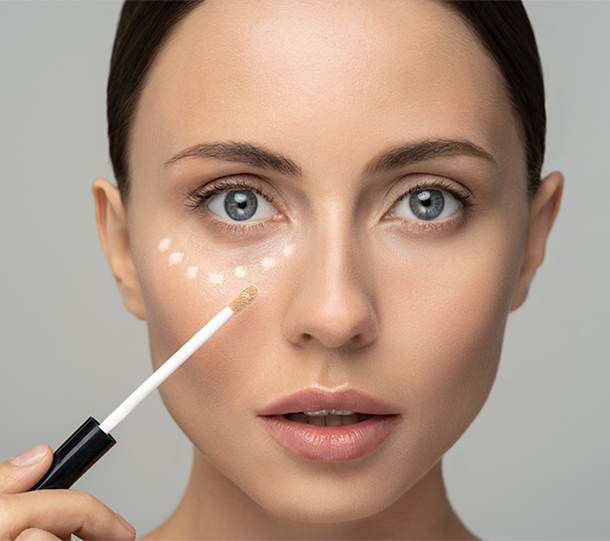
One highly recommended cosmetic cream for the eye contour is EyeContour. Its lightweight and fast-absorbing formula helps to hydrate, nourish, and rejuvenate the skin around your eyes. It also works to reduce the appearance of dark circles, puffiness, and crow's feet.
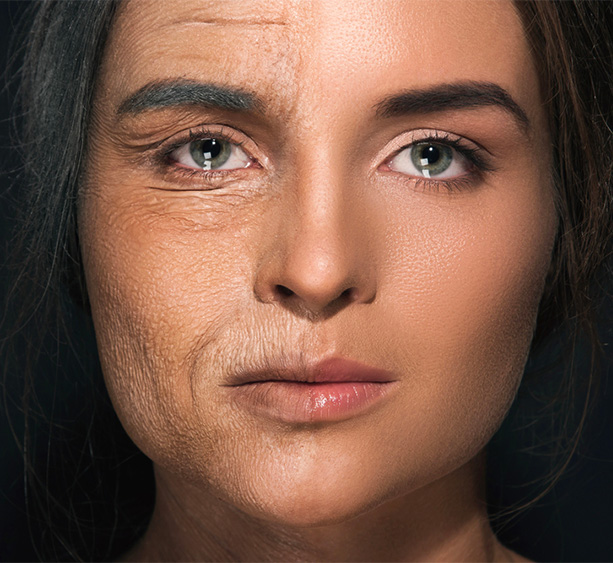
Fine Wrinkles

face-wrinkles

Peels are a popular choice for addressing skin wrinkles due to their effectiveness in promoting skin renewal and reducing the appearance of fine lines.

By exfoliating the top layer of the skin, peels help to stimulate collagen production, which can improve skin elasticity and firmness over time.

Different types of peels, such as fruit acid peels or AHA or salicylic acid peels, offer various benefits depending on the individual's skin type and concerns.

For example, AHA peels are known for their ability to brighten the skin and improve texture, while salicylic acid peels are effective in targeting acne-prone skin with wrinkles.

Overall, incorporating peels into your skincare routine can help diminish the signs of aging and reveal a smoother, more youthful complexion.
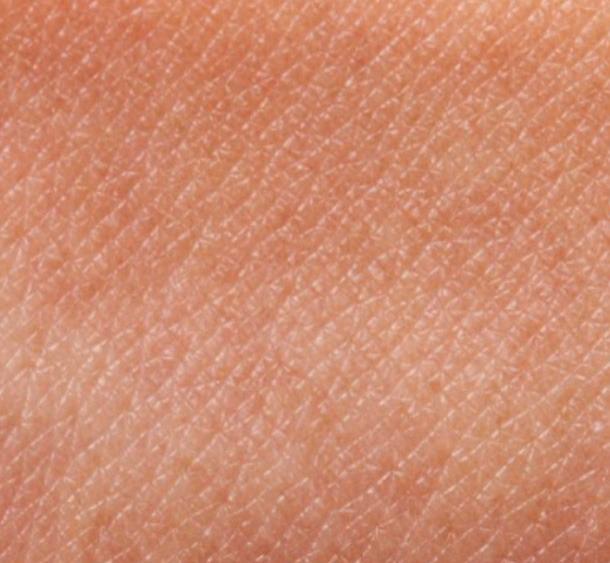
Uneven SkinTone

uneven-skintone

Chemical peels have gained popularity as an effective treatment for achieving a more even skin tone.

By exfoliating the outer layer of the skin, peels can help reduce hyperpigmentation, acne scars, and sun damage, resulting in a smoother and more radiant complexion.

For example, a AHA peel can target dark spots and discoloration, while a salicylic acid peel can help unclog pores and improve overall skin texture.

Additionally, peels stimulate collagen production, which can further improve skin tone and firmness over time.

With regular treatments and proper aftercare, peels can be a valuable addition to a skincare routine for those looking to address uneven skin tones and achieve a more luminous complexion.
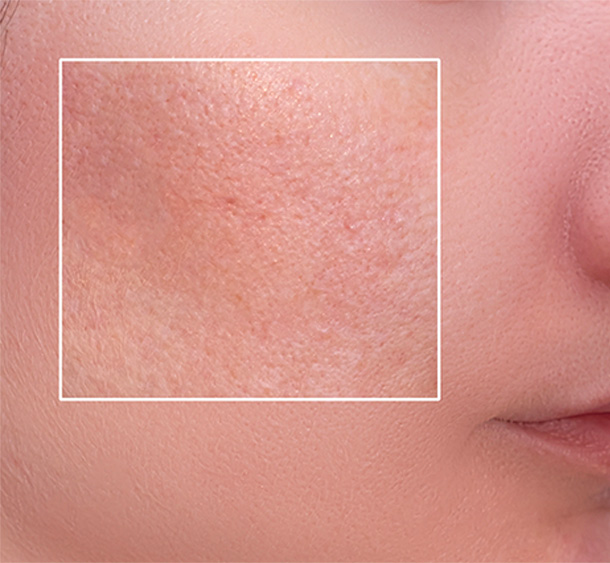
Pores

From our 40 years Experience
pores

Peels are often recommended as a solution to treating pores on the skin due to their exfoliating properties.

By using chemical peels, dead skin cells are removed, unclogging pores and promoting skin rejuvenation.

For example, salicylic acid peels are known for effectively penetrating the pores, reducing excess oil, and helping to minimize their appearance.

Metabolic peels can improve the overall texture and tone of the skin, leading to a smoother and clearer complexion. Incorporating 30 Min Peel Off into your skincare routine can help address pore concerns and achieve a healthier-looking skin.

👤 Targeted Peeling for Face, Body & Intimate Areas
⚕️ Region-Specific Protocols for Controlled Exfoliation

Fruit Acid Peel

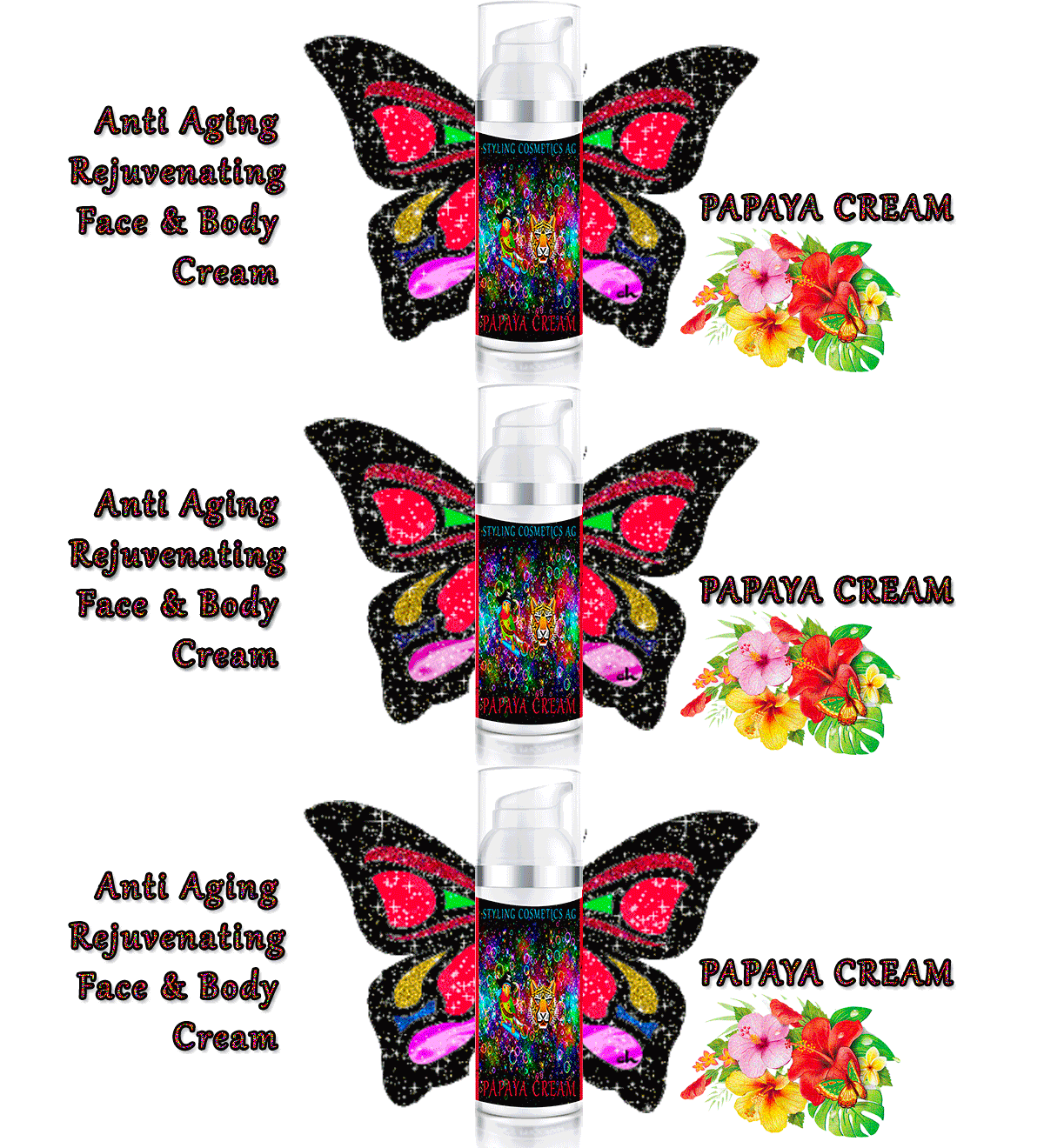
Best Product : Papaya Cream
fruit acid peel

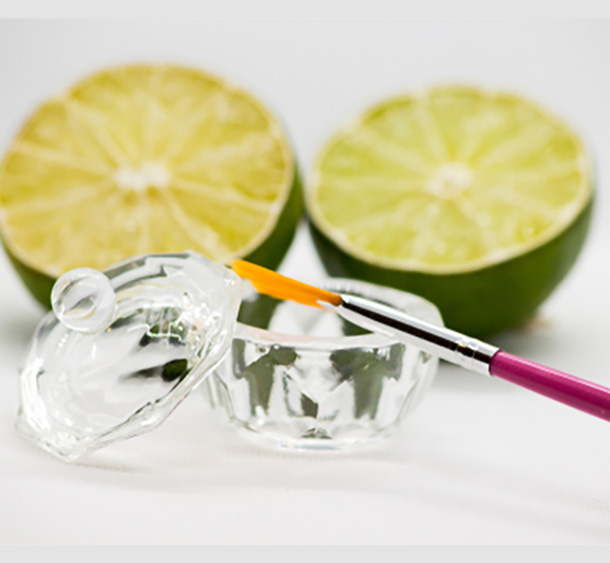
Fruit acid peels have gained significant popularity in the skincare industry, and for good reason. One potent combination that has been widely recognized for its effectiveness is the mixture of citric acid and glycolic acid found in papaya.
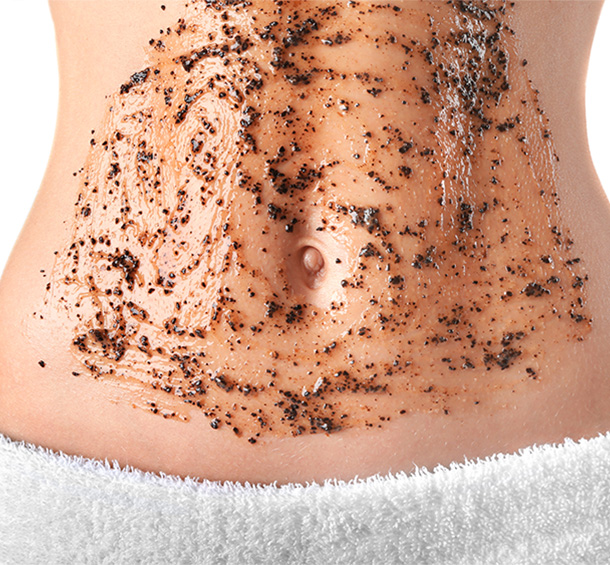
Body Peel

Best Product : Microabrasive Sand Peel
body-peel

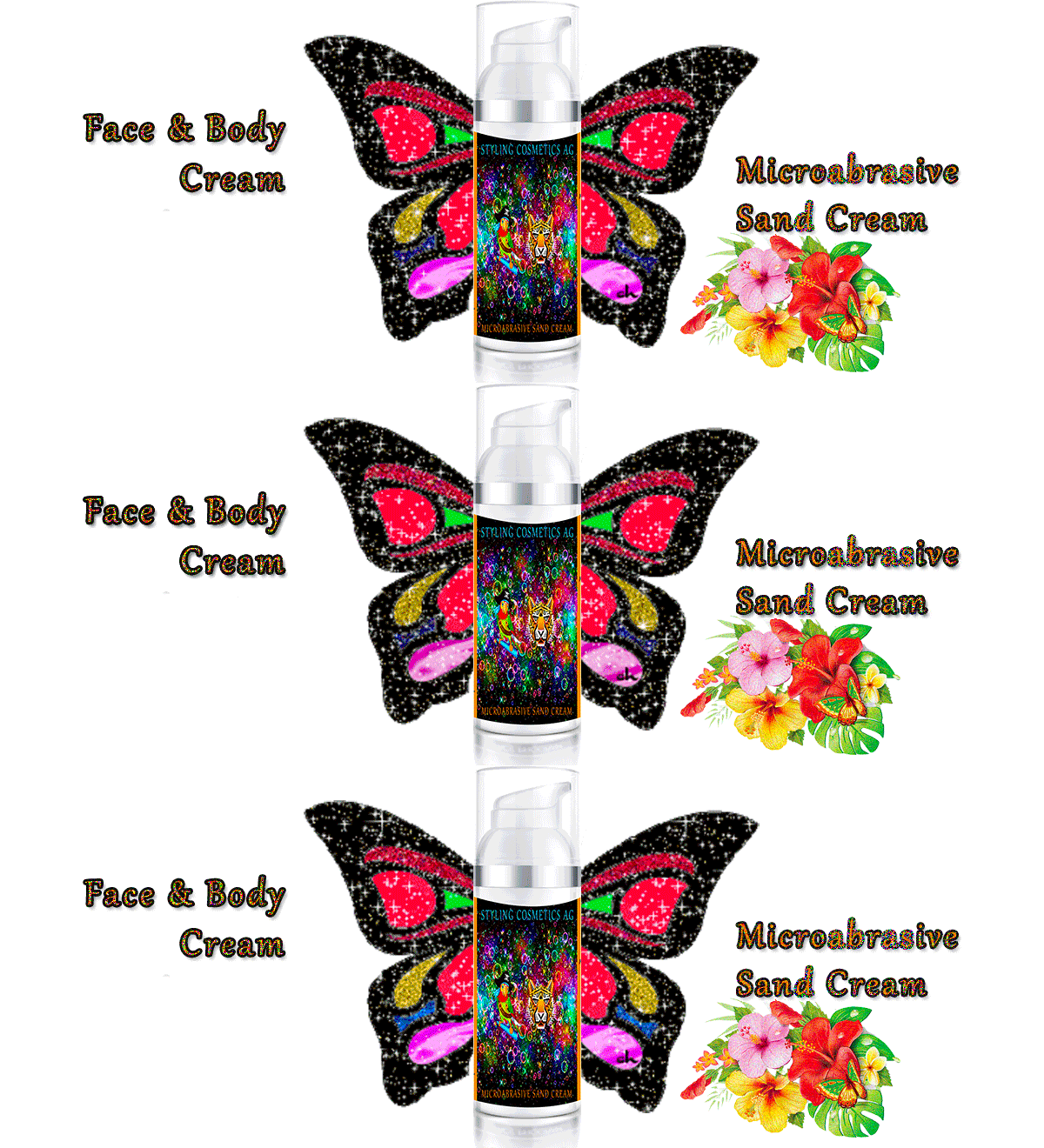
Body peeling is a popular skincare technique that involves exfoliating the skin to remove dead cells and reveal a smoother, more radiant complexion. One effective method of body peeling is through the use of microabrasive sand cream. This innovative product combines the exfoliating power of sand particles with nourishing ingredients to provide a gentle yet effective exfoliation experience.
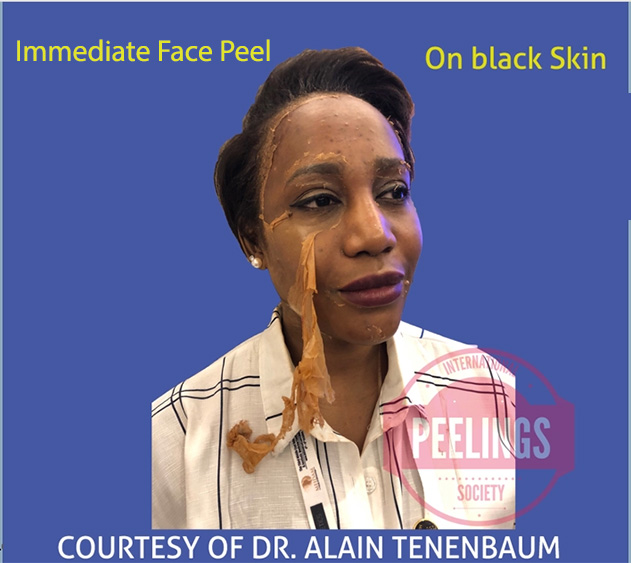
Instant FacePeel :Safe for All Skin Types, Year-Round

Protocol of M.Tiziani
immediate-facepeel-black-skin

Any skintype can be treated in any season with our metabolic peels protocols and/or 30 Min Peel Off.

Dark as Latino or Capuccino Skins are not an exception and obtain immediately great results using 30 Min Peel or when following the metabolic peels protocols of M.Tiziani
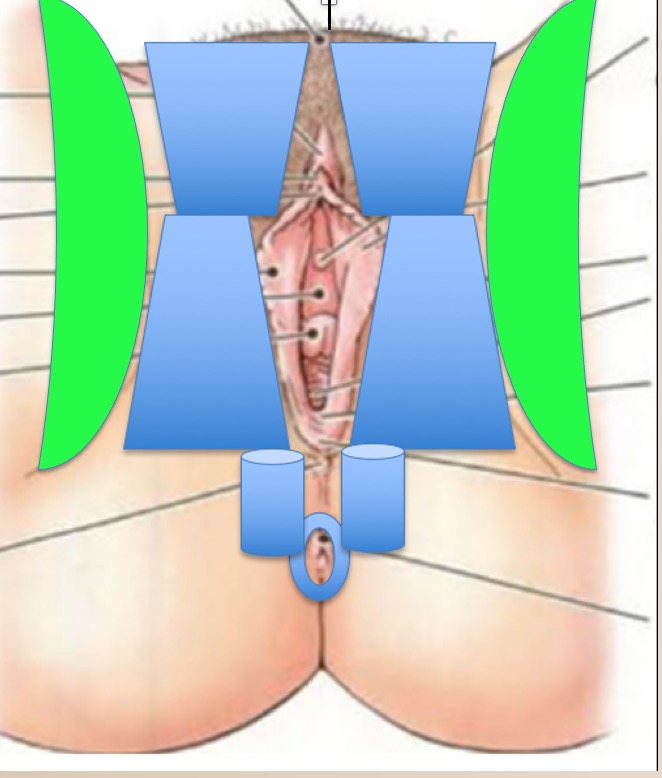
Intime Peels

Best Treatment: Salicylic Acid & Metabolic Peels
intime-peel

👤 Solutions for Acne, Pigmentation & Skin Disorders
⚕️ Clinical Protocols for Dermatologic Indications

Acne

Best Protocol of Mauro Tiziani
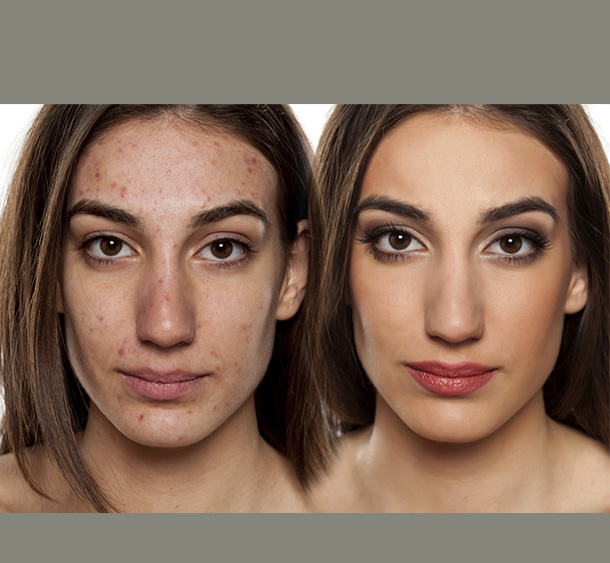
acne

There are different types of acne and each type has its specific treatment. But the protocol of M.TIZIANI is available for most of cases .
 

For mild & severe acne

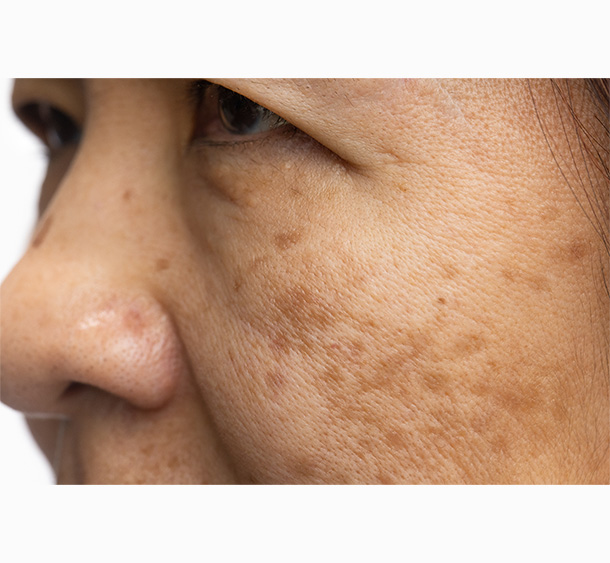
Hyperpigmentation - Melasma

Best Sunprotector : StretchPeel

The protocol of A.TENENBAUM offers great results for epidermic as dermic hyperpigmentations and has to be studied for each indication .
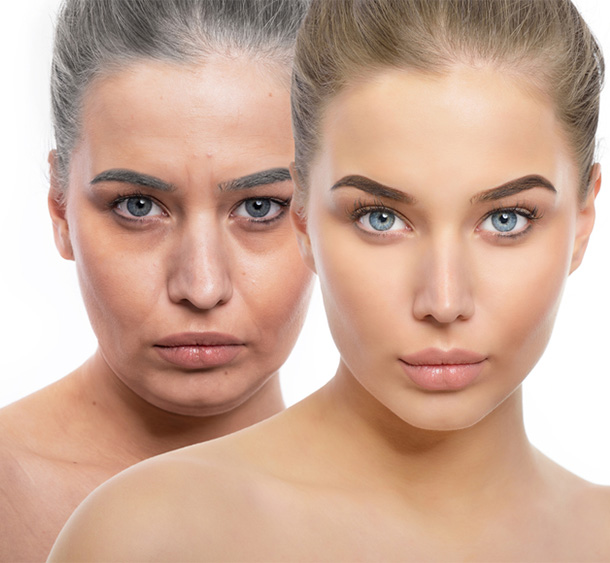


Anti Tired Skin

Best Product :Clarté de Lune
anti-tired-skin

Imagine a world where tired skin becomes a thing of the past. Introducing Clarté de Lune, a revolutionary melatonin cream designed to combat the effects of fatigue on your skin. In today's fast-paced world, it's not uncommon for our skin to bear the brunt of our busy lifestyles. Late nights, stress, and environmental factors can take a toll, leaving our skin looking dull, lackluster, and fatigued. But fear not, because Clarté de Lune is here to rejuvenate and revitalize your tired skin.

Smokers Skin

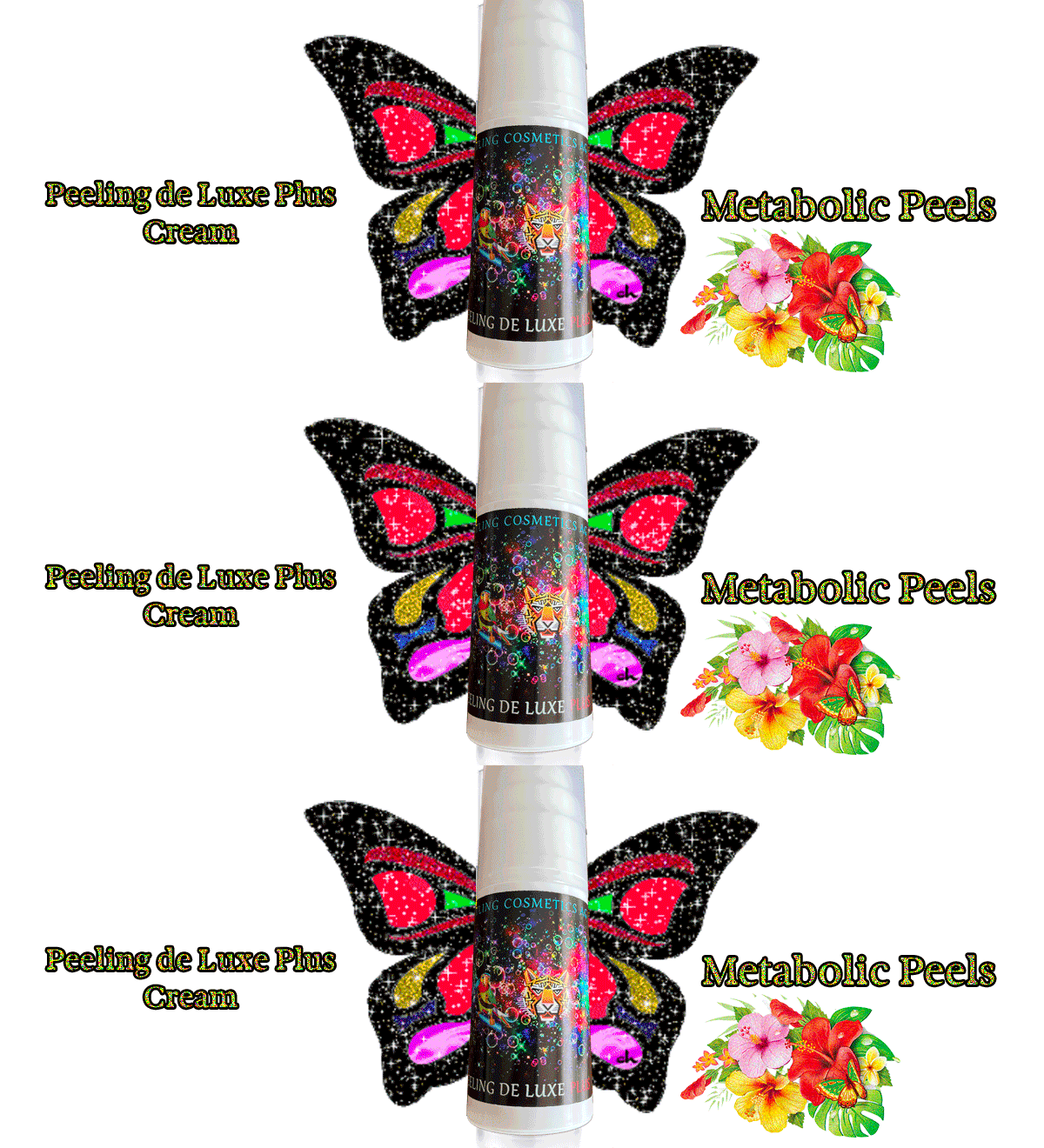
Best Treatments use 30 MinPeel Off, Peeling de Luxe,Lipoic Acid,Clarte de Lune are proposed
smokers skin

Imagine a world where tired skin becomes a thing of the past. Introducing Clarté de Lune, a revolutionary melatonin cream designed to combat the effects of fatigue on your skin. In today's fast-paced world, it's not uncommon for our skin to bear the brunt of our busy lifestyles. Late nights, stress, and environmental factors can take a toll, leaving our skin looking dull, lackluster, and fatigued. But fear not, because Clarté de Lune is here to rejuvenate and revitalize your tired skin.  
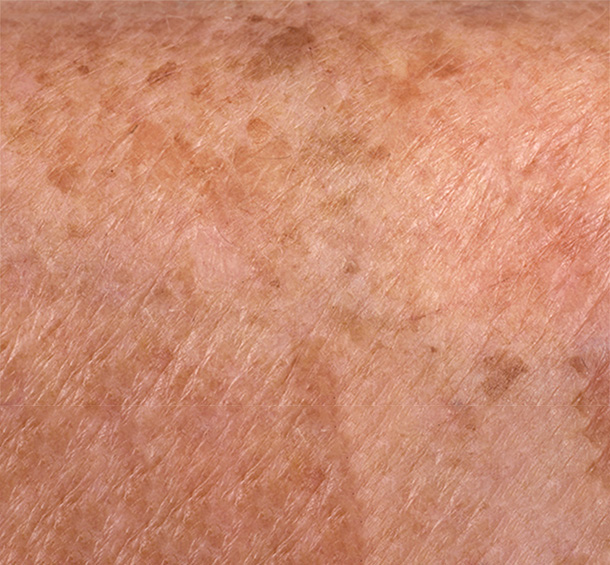
Stains

Best Product : Clarté de Lune
stains

Chemical peels offer a powerful solution for tackling stubborn skin stains. These peels work by exfoliating the top layers of the skin, revealing fresh, even-toned skin underneath. By removing dead skin cells and promoting cell turnover, chemical peels can significantly reduce the appearance of stains caused by acne, sun damage, or hyperpigmentation. Imagine waking up to a brighter complexion, free from the remnants of past blemishes. With regular treatments, you can fade those pesky marks and achieve a smoother, more radiant skin texture. Say goodbye to discolouration and hello to a revitalised, flawless skin appearance.

Skins BioRegeneration

Best Product : Gradient Cream
dna-bioregeneration

Fruit acid peels have gained significant popularity in the skincare industry, and for good reason. One potent combination that has been widely recognized for its effectiveness is the mixture of citric acid and glycolic acid found in papaya.
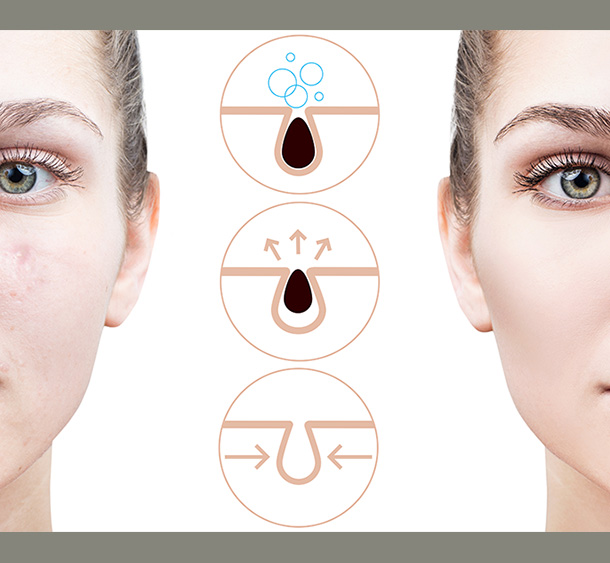

👤 Versatile & All-in-One Treatment Options
⚕️ Empirical & Multi-Target Protocols for Uncertain Cases

For Most Indications or When Uncertain About Treatment Choice

Use Protocol of Mauro Tiziani for Metabolic Peels

In cosmeto dermatology, most indications can be treated with the ,,Metabolic Peels,, and  are successful following the Protocols of M.Tiziani
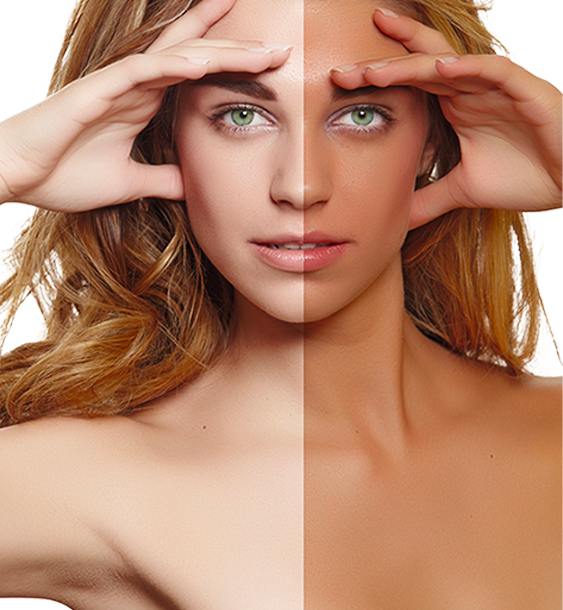
Get quickly tanned without sunburns for any skintype

Achieve a noticeable tan within 3 days - clinically supported results.

You can get just with 2 creams (Clarté de Lune & Papaya Cream) very quickly deep tanned in just 1 week, staying under the umbrella at sunshine 1 hour per day during 3 days .
Important is not to use sunscreens which all contain alcohol and lead to melasmas which didnt exist before  sunscreens advertisements !
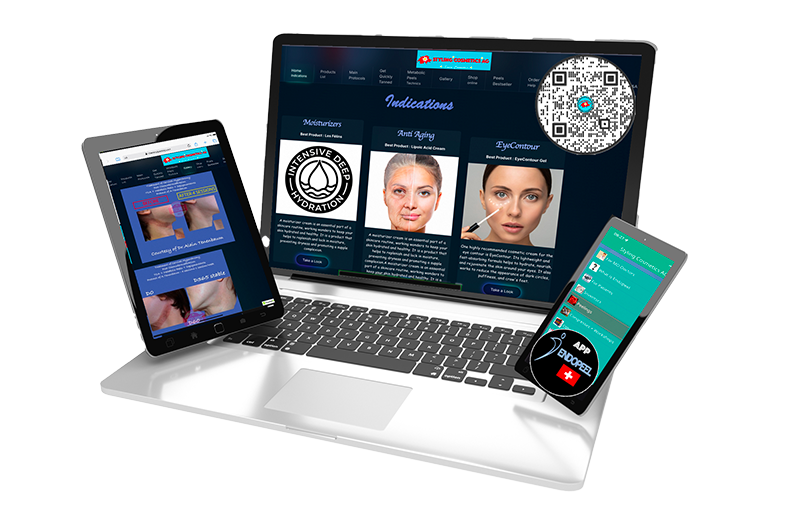
presentation chemicalpeeling small

Share this website on your social medias
cream2-eye-contour
pdl-plus
cream-felins
cream-gradient
cream2-microabrasive
cream-ormes-des-sioux
cream-papaya
cream-postpeel
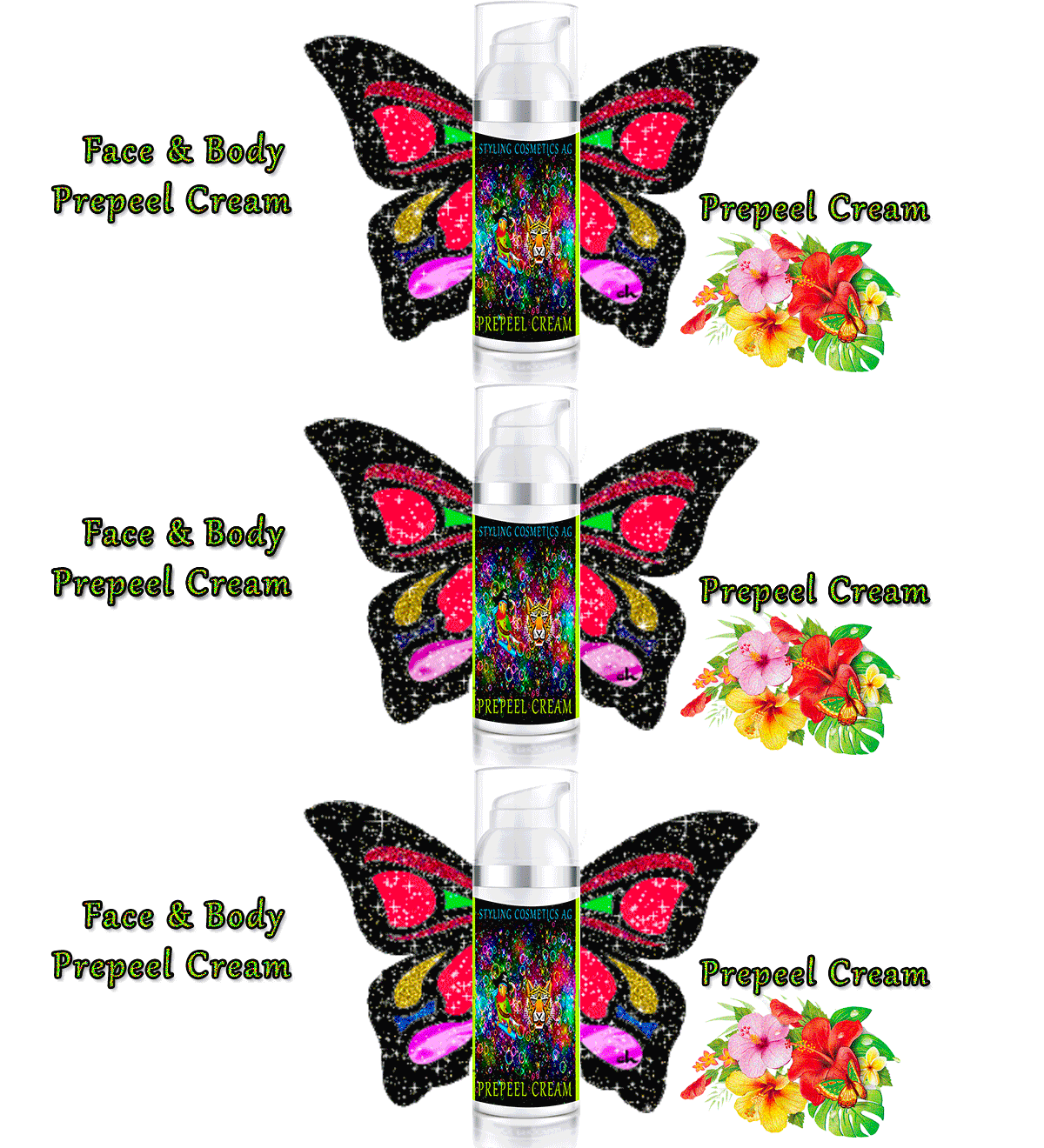
cream-prepeel
cream-rose-du-desert
cream-stretchpeel
cream-peel-superstar
cream2-kosmopeel
cream2-lipoic-acid
cream2-eye-contour
pdl-plus
cream-felins
cream-gradient
cream2-microabrasive
cream-ormes-des-sioux
cream-papaya
cream-postpeel
cream-prepeel
cream-rose-du-desert
cream-stretchpeel
cream-peel-superstar
cream2-kosmopeel
cream2-lipoic-acid