Clinical Indications in Chemical Peeling
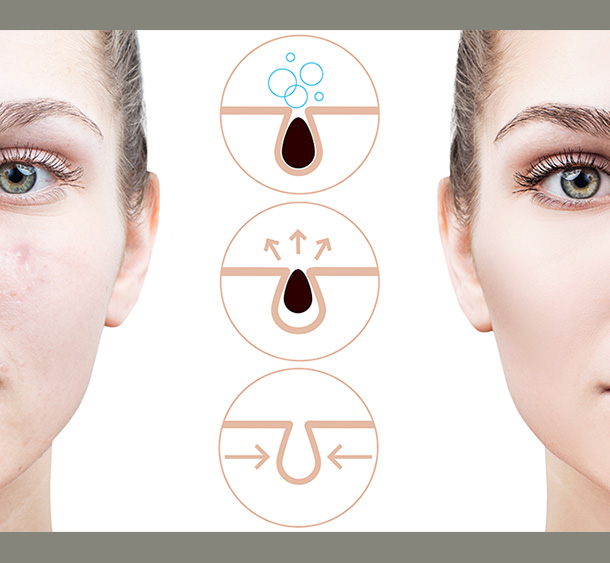
Start with a structured overview of indications, treatment logic, and navigation pathways.
Indication-based guidance for oily, congested, and acne-prone skin.
Clinical orientation for superficial textural irregularities and scar-related concerns.
Cautious, pigment-aware navigation for uneven tone and dyschromia.
Structured access to topics related to dullness, enlarged pores, and sun-related skin aging.
Why a Clinical Topics Hub Is Essential
Chemical peeling is not one single therapeutic language. Different skin concerns involve different biologic mechanisms, different tolerance thresholds, different inflammatory patterns, and different pigment risks. For this reason, a premium clinical website should not present chemical peeling as a flat list of products or a generic rejuvenation promise. It should organize content by indication. Acne, acne scars, melasma, photoaging, post-inflammatory discoloration, enlarged pores, and superficial textural irregularities all require distinct reasoning, distinct protocol selection, and distinct levels of caution.
This page therefore serves two functions at once. First, it acts as a medical navigation page for professional users seeking indication-based clarity. Second, it acts as an SEO pillar page that helps search engines understand the semantic structure of the site by connecting the main child pages into one coherent clinical framework.
Explore Clinical Indications
Acne
Keratoregulation, visible skin clarification, and protocol logic for oily, comedonal, and acne-prone skin.
Open topic →Acne Scars
Surface irregularity, textural refinement, and realistic adjunctive positioning within scar-oriented strategies.
Open topic →Melasma
Barrier-respectful, recurrence-aware management for unstable pigment-prone skin.
Open topic →Photoaging
Dullness, superficial roughness, fine lines, and sun-related textural fatigue approached with progressive logic.
Open topic →Hyperpigmentation
Superficial uneven tone and selected pigment concerns handled with controlled progression.
Open topic →Enlarged Pores
Global improvement of visible pore prominence as part of oily and uneven skin quality management.
Open topic →Rough Texture
Irregular surface feel, lack of radiance, and superficial roughness addressed with refined peeling logic.
Open topic →Post-Inflammatory Marks
Residual discoloration and visible post-inflammatory traces in selected superficial contexts.
Open topic →Clinical Overview
A higher-level gateway page connecting the full clinical indication taxonomy of the site.
Open topic →Main Topics at a Glance
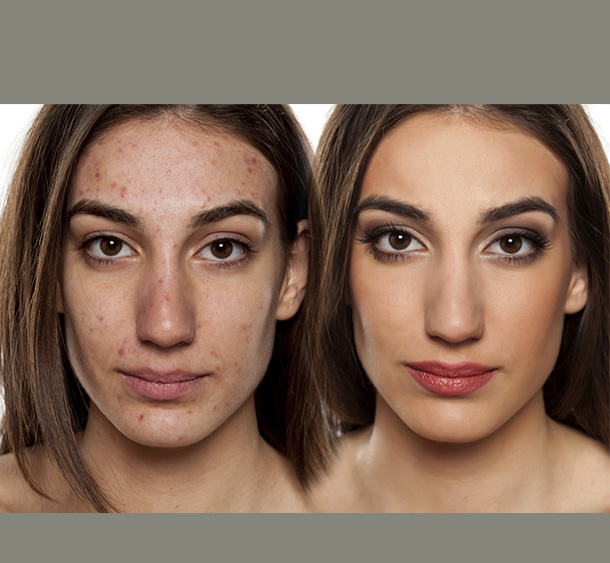
Acne
Acne-oriented peeling should not be reduced to aggressive stripping. A more clinical approach considers follicular obstruction, excess sebum, inflammatory reactivity, uneven texture, and barrier tolerance. Proper peeling selection may support visible skin clarification and keratoregulation when integrated into a broader protocol philosophy.
- Prioritize smart regulation over uncontrolled intensity.
- Respect barrier condition and tolerance profile.
- Connect acne management with prevention of visible residual marks.
Suggested Pathways
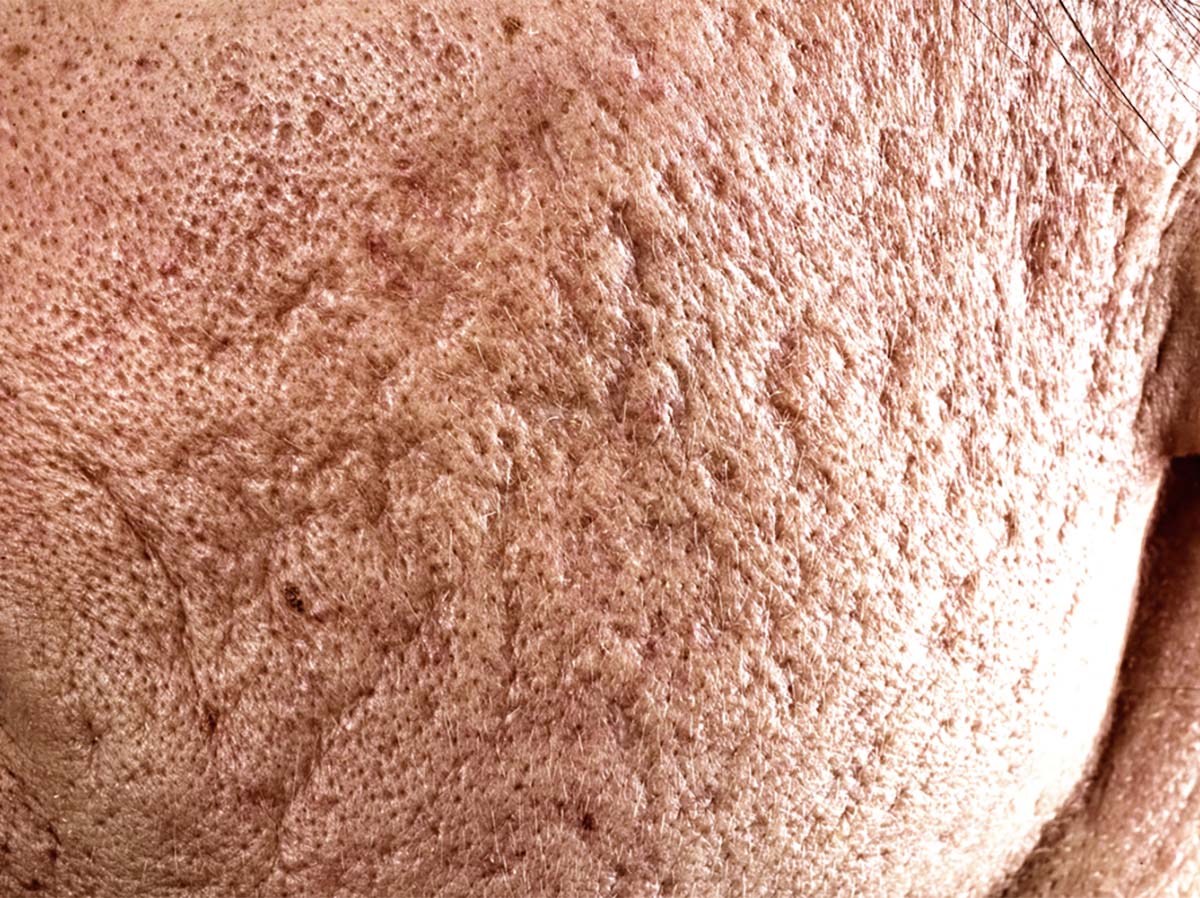
Acne Scars
Acne scars are distinct from active acne and require different clinical language. Even when peeling does not address every scar type by itself, it may still contribute to improved surface refinement and more homogeneous-looking skin quality in selected situations.
- Best positioned within a multimodal scar strategy.
- Useful for surface quality and visible texture improvement.
- Requires realistic expectation framing.
Suggested Pathways
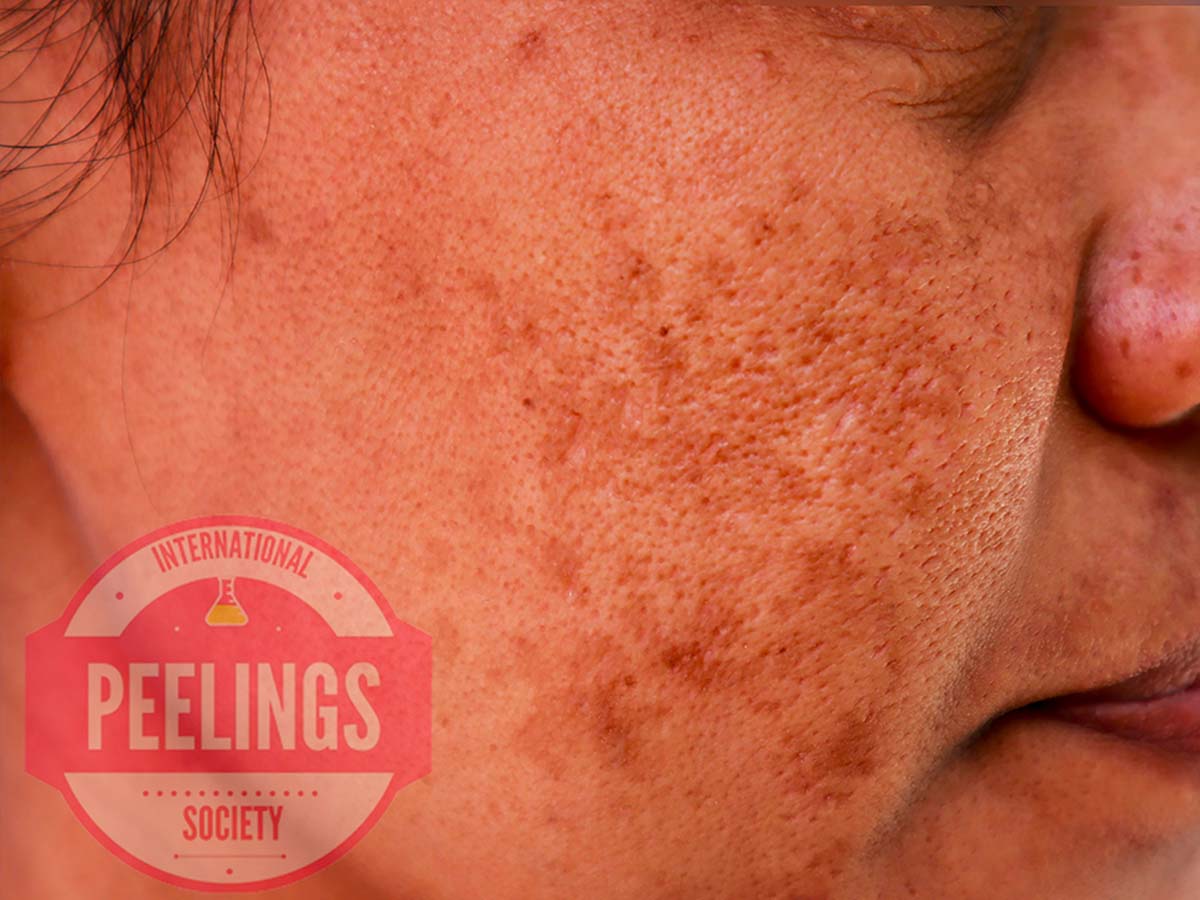
Melasma
Melasma requires one of the most cautious approaches in aesthetic practice. Excessive irritation may worsen instability instead of improving it. The goal is not simple exfoliation but controlled regulation integrated with tolerance, photoprotection, and long-term maintenance.
- Avoid “stronger is better” reasoning.
- Support stability, not irritation.
- Always integrate maintenance and UV discipline.
Suggested Pathways
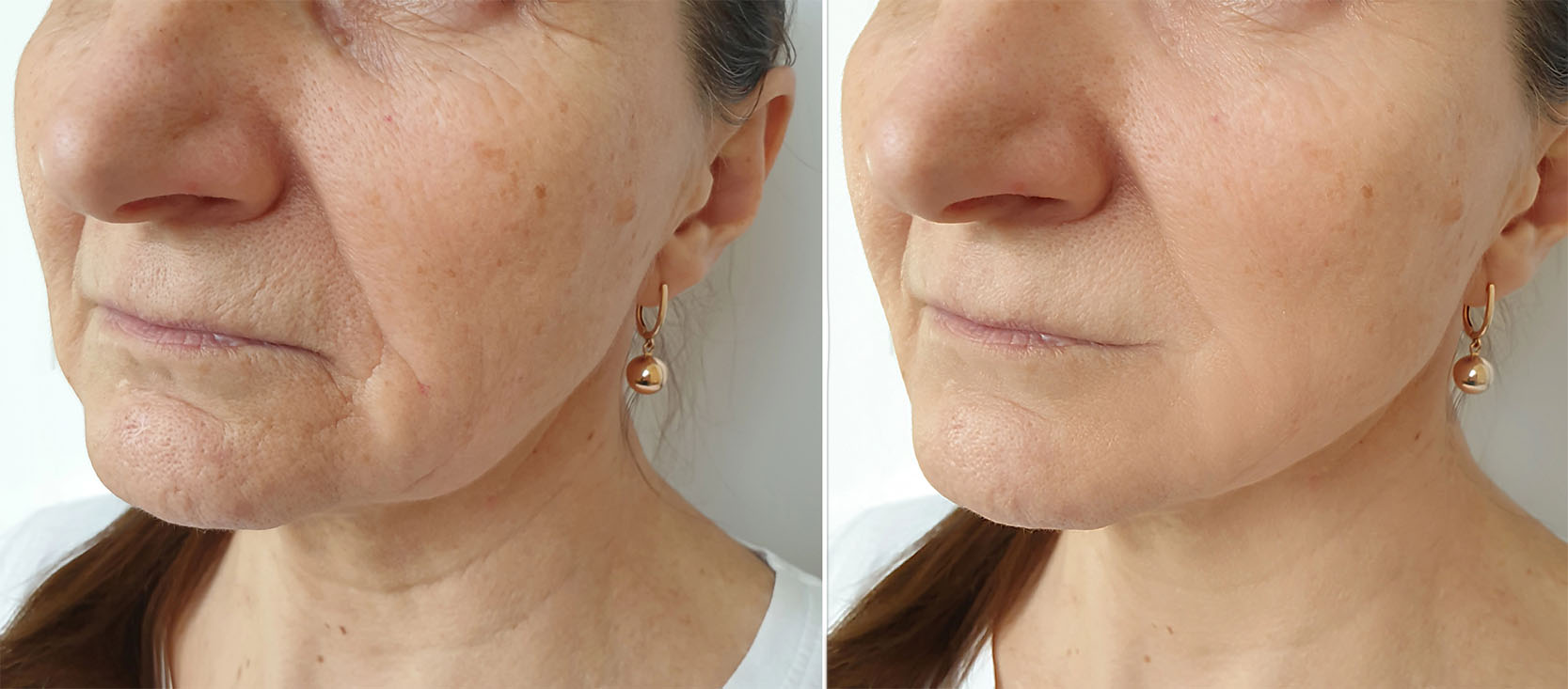
Photoaging
Photoaged skin commonly combines visible dullness, superficial roughness, uneven tone, textural fatigue, and loss of cutaneous freshness. Peeling may play a role in progressive rejuvenation when aligned with skin quality, age, downtime tolerance, and realistic treatment depth.
- Often overlaps with pigment and pore-related concerns.
- Best approached progressively rather than as an isolated intervention.
- Should support radiance and surface refinement.
Suggested Pathways
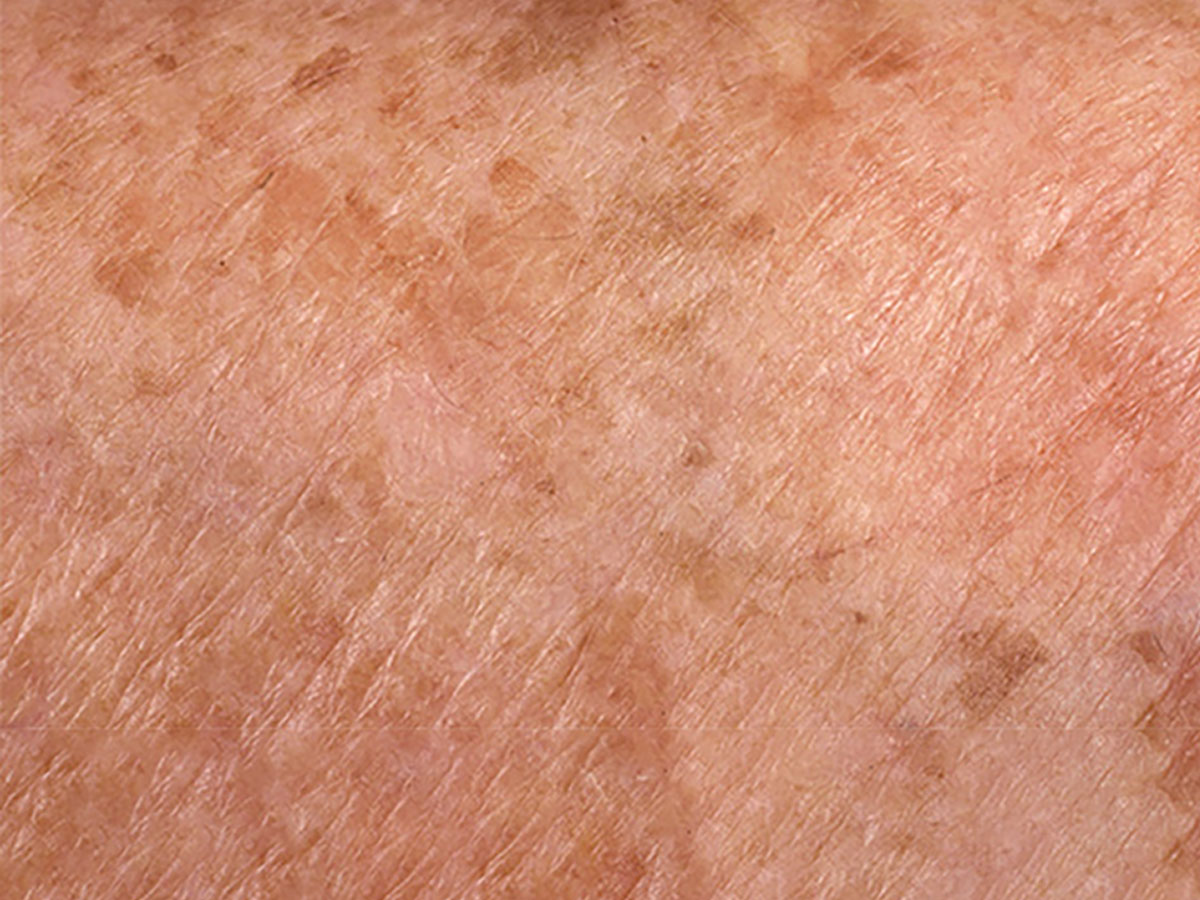
Hyperpigmentation
Not all hyperpigmentation behaves like melasma, but all pigment work requires diagnostic caution. Superficial pigment irregularities may respond to carefully selected peeling logic when the skin profile and the indication are appropriate.
- Distinguish unstable pigment disorders from superficial concerns.
- Combine with topical support and UV protection.
- Choose protocol only after defining pigment type.
Suggested Pathways
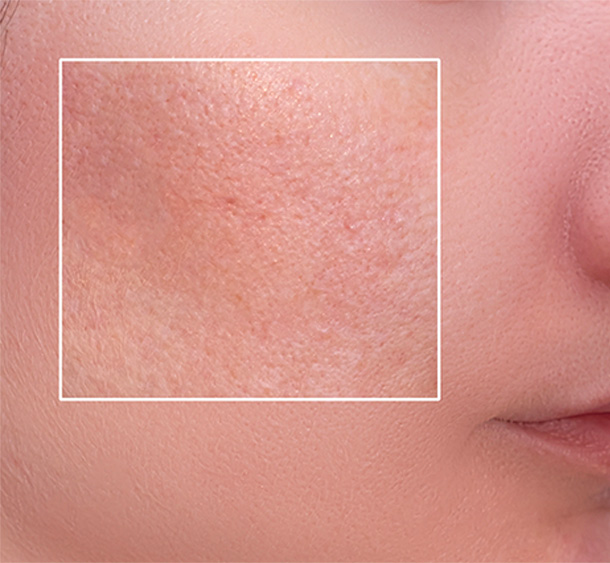
Enlarged Pores and Oily Texture
Visible pores are generally part of a broader sebaceous and textural pattern rather than an isolated complaint. In selected patients, peeling may help improve overall skin refinement and reduce the appearance of uneven, congested, or oily surface quality.
- Usually linked to global texture concerns.
- Improvement is often cumulative and protocol-dependent.
- Works best when integrated with appropriate maintenance.
Suggested Pathways

Skin of Color
Peeling in skin of color requires a more disciplined clinical framework, because visible benefit must always be balanced against the risk of dyschromia, irritation, rebound pigmentation, or uneven recovery. The objective is not simply to peel, but to select depth, chemistry, pacing, and maintenance strategy with precision.
- Prioritize control, predictability, and pigment safety.
- Avoid unnecessarily aggressive approaches in unstable skin profiles.
- Integrate preparation, recovery logic, and long-term monitoring.
Suggested Pathways

Post-Inflammatory Hyperpigmentation
Post-inflammatory hyperpigmentation follows cutaneous aggression and must be approached with diagnostic discipline. The treatment objective is not only visible fading, but also reduction of recurrent triggers, respect for barrier recovery, and avoidance of overly aggressive steps that may perpetuate pigment instability.
- Always distinguish residual pigment from active inflammatory disease.
- Support barrier recovery while targeting visible discoloration.
- Progressive correction is often safer than rapid intervention.
Suggested Pathways
Clinical Overview
Clinical indications should not be read as isolated cosmetic labels. They belong to a broader medical framework in which skin type, pigment behavior, inflammatory tendency, texture, tolerance, and treatment depth all influence protocol selection. This overview helps position each topic within a more coherent clinical reading.
- Useful as a structured entry point before topic-specific reading.
- Helps connect indications, products, and protocols more clearly.
- Supports a more rational and educational navigation pathway.
Suggested Pathways
Choose Your Clinical Pathway
Select the most relevant protocol, product pathway, or consultation option.
Frequently Asked Questions
Is the same peel appropriate for every indication?
No. Different indications require different levels of caution, chemistry selection, barrier consideration, and pigment awareness.
Why organize this content as a hub page?
Because a hub structure improves both user orientation and SEO by grouping related indication pages inside one coherent pillar architecture.
What should the reader do next?
Open the relevant child topic page first, then continue toward products, protocols, or consultation depending on the level of guidance needed.