Ceramides and the
Skin Barrier
Ceramides are essential epidermal lipids that help organize the stratum corneum, reduce transepidermal water loss and support the visible recovery of compromised skin after exfoliation, dryness, environmental stress or professional cosmetic procedures.
Why Ceramides Matter in Barrier Biology
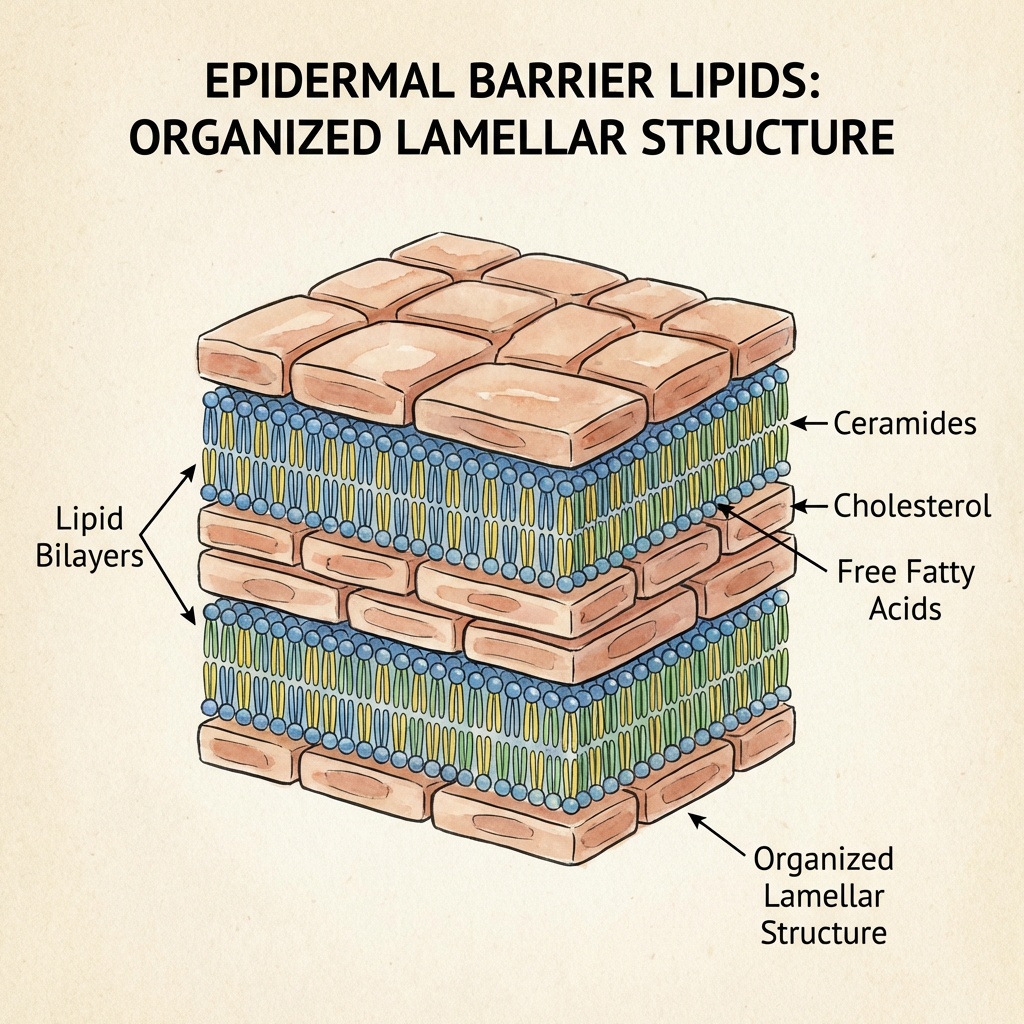
The skin barrier is not only a surface layer. It is a functional biological interface where corneocytes, intercellular lipids, natural moisturizing factors and surface acidity work together to regulate water retention, mechanical resilience and external protection.
Intercellular Lipid Matrix
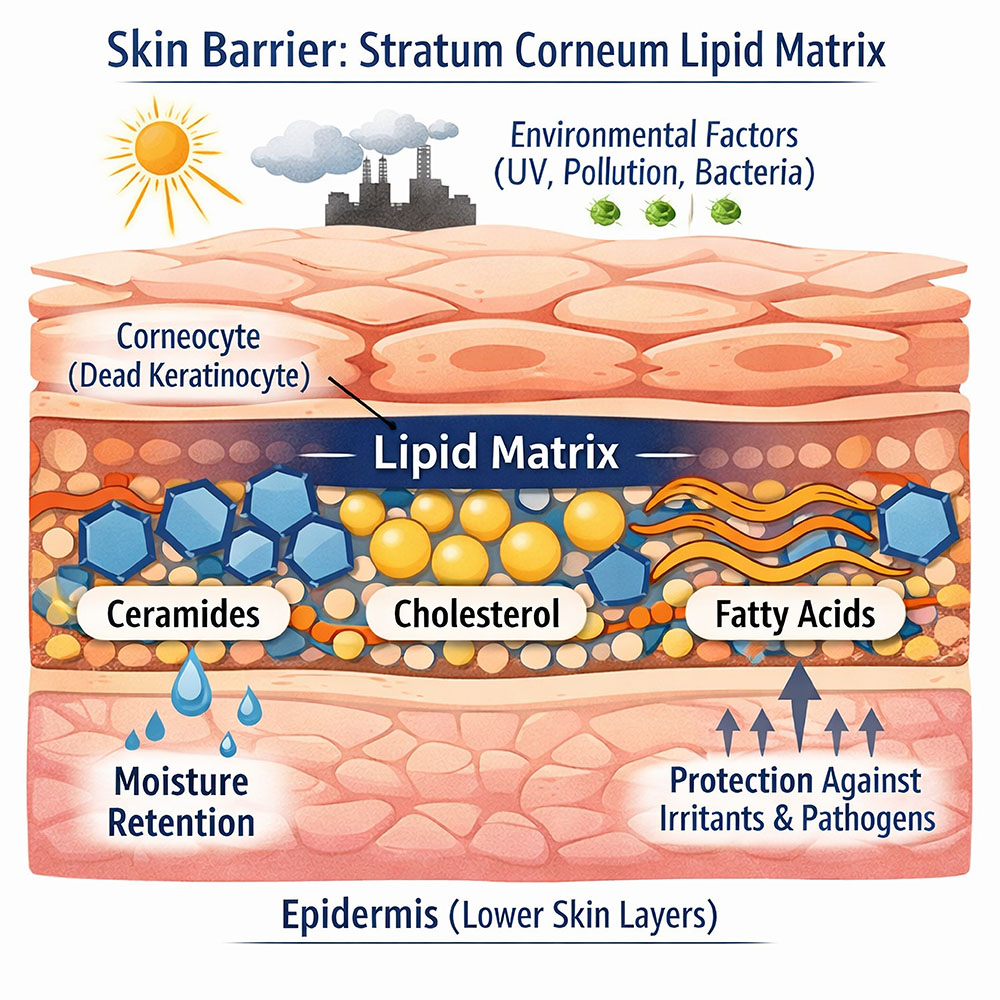
Ceramides are major structural lipids of the stratum corneum. They help organize the extracellular lipid lamellae that surround corneocytes and maintain barrier cohesion.
Water-Loss Control
A well-organized lipid matrix helps limit excessive transepidermal water loss, supporting hydration stability and reducing the tendency toward dryness, tightness and discomfort.
Recovery Environment
After controlled exfoliation or cosmetic procedures, barrier-supporting lipids may help create a more favorable environment for visible recovery and epidermal comfort.
This page complements the broader scientific overview on skin barrier function by focusing specifically on ceramides as functional barrier lipids.
How Ceramides Support Barrier Integrity
Ceramides act primarily by supporting the organization of the stratum corneum lipid matrix. Their clinical interest is not based on a single cosmetic effect, but on a combination of structural, hydric and comfort-related mechanisms that are relevant in compromised or procedure-exposed skin.
1. Lipid Lamellae Organization
Ceramides contribute to the layered lipid architecture between corneocytes, helping the barrier behave as a coherent biological shield rather than a simple dry surface.
2. Reduction of Excessive Water Escape
By reinforcing the lipid phase of the barrier, ceramides help reduce excessive water evaporation and support a more stable hydration profile.
3. Support of Cutaneous Comfort
When the barrier is stressed, patients often report tightness, dryness or sensitivity. Barrier-supporting lipids can help improve the visible and sensory recovery environment.
Clinical Relevance in Post-Peel Recovery
Barrier recovery is part of procedural quality.
In chemical peeling and cosmetic dermatology, the endpoint is not only exfoliation. A controlled procedure should also respect recovery, comfort and the functional return of the epidermal barrier. When the barrier is weakened, the skin may become more reactive, dehydrated and visually irregular.
Ceramide-based support is therefore clinically relevant after superficial or controlled exfoliating procedures, especially when the skin presents dryness, tightness, environmental sensitivity or signs of impaired lipid organization.
After Exfoliation
Barrier-supportive care helps reduce the cosmetic consequences of excessive dryness and supports a more comfortable recovery phase.
After Environmental Stress
Cold, wind, low humidity and repeated cleansing may compromise the lipid barrier and increase the need for structured barrier support.
After Barrier Fatigue
Repeated active skincare without appropriate recovery support can leave the skin visibly dry, fragile or poorly tolerant.
Ceramides vs Occlusion vs Humectants
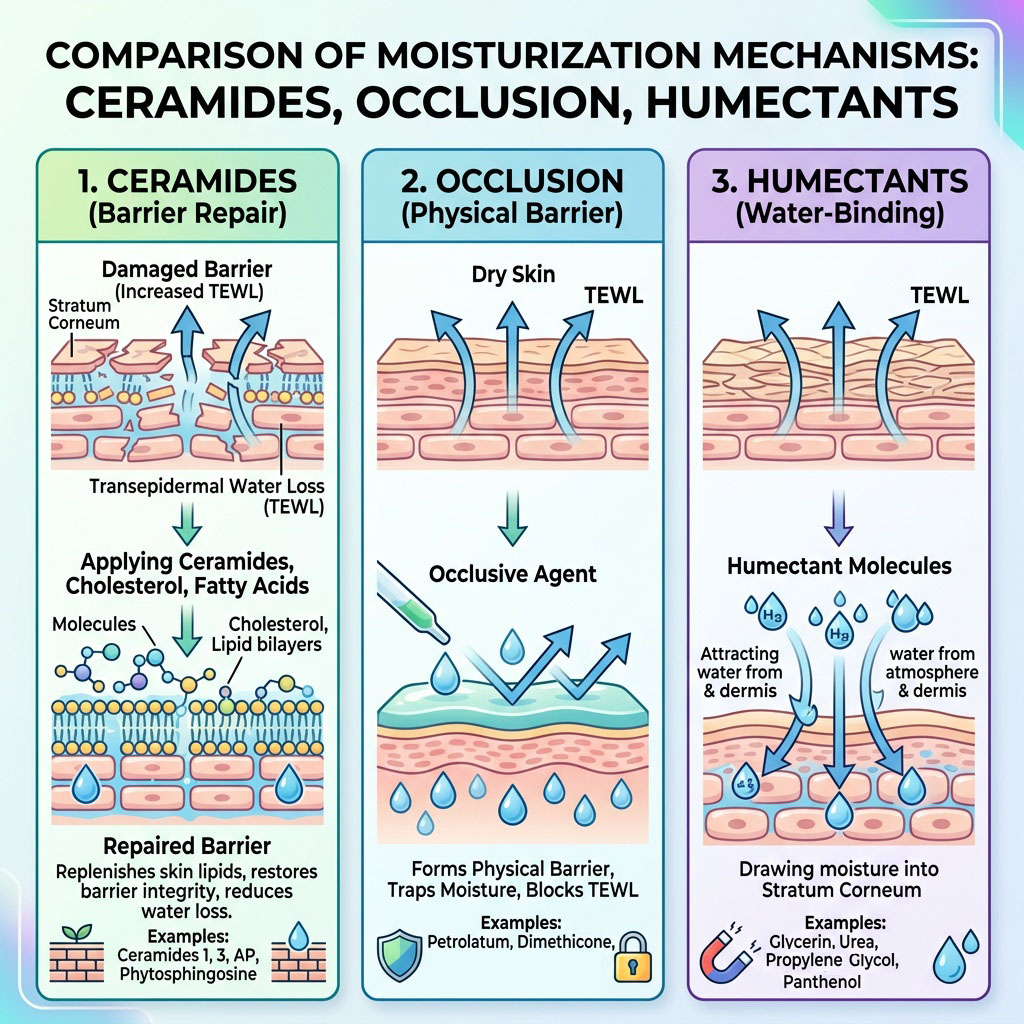
Barrier recovery is most effective when different categories of moisturizing support are understood correctly. Ceramides, occlusive agents and humectants do not perform the same role.
Ceramides
- Support the lipid architecture of the stratum corneum.
- Help reinforce barrier cohesion.
- Are especially relevant when the lipid barrier is compromised.
- Act as functional barrier-supporting lipids, not only as moisturizers.
Occlusive Agents
- Create a surface film that reduces evaporation.
- Can be useful when rapid water-loss limitation is needed.
- Do not necessarily reorganize the lipid matrix.
- May feel heavy if not balanced within the formula.
Humectants
- Attract and bind water within the superficial layers.
- Improve immediate hydration feel.
- Need barrier support to avoid short-lived hydration.
- Work best when combined with lipid and protective components.
In premium barrier recovery formulations, the objective is not to choose one category against another. The objective is to combine them intelligently: humectants for water binding, occlusive support for evaporation control and ceramide-centered lipids for barrier architecture.
Barrier Recovery Applications in Cosmetic Dermatology
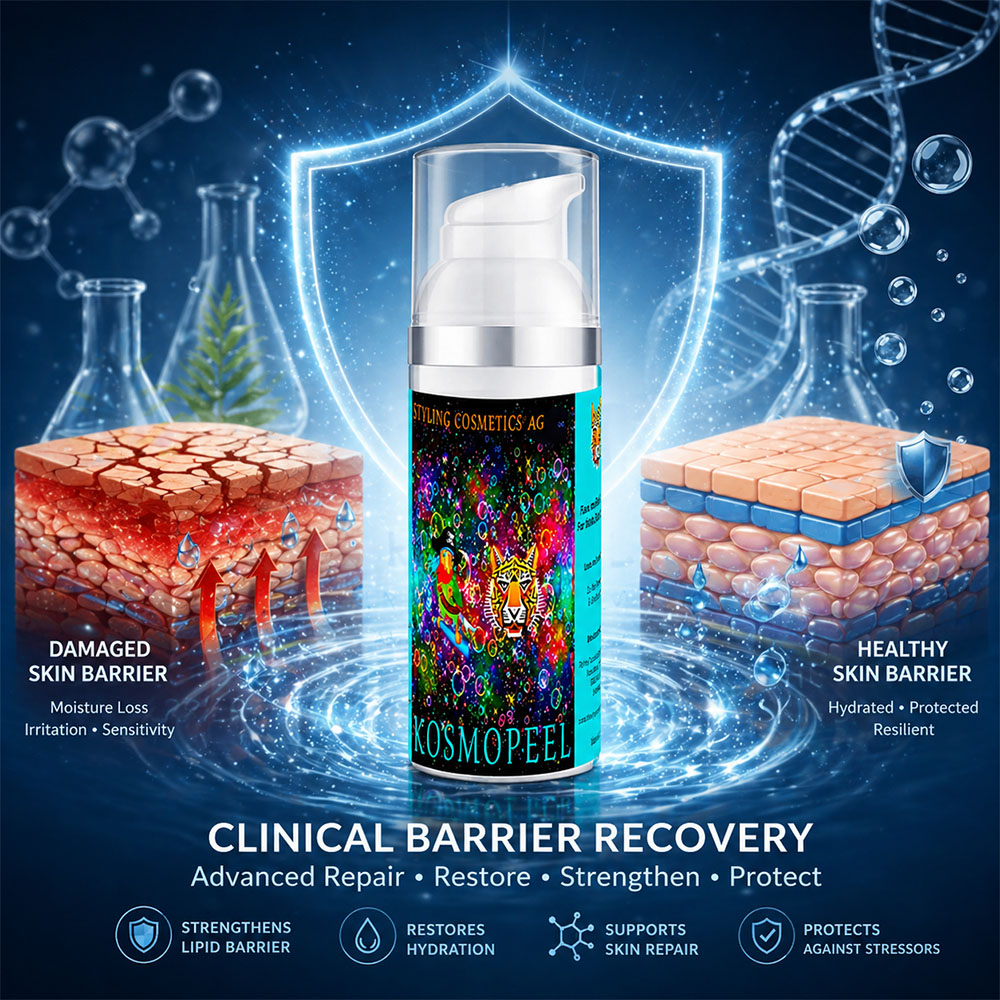
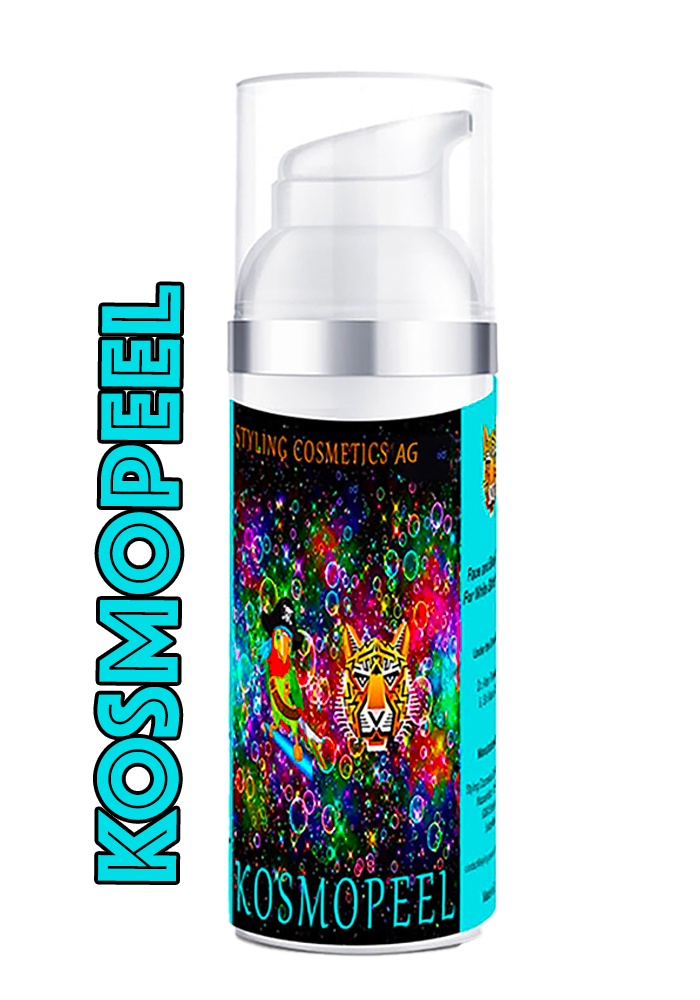
Kosmopeel — Barrier Recovery Focus
Positioned as the main recovery support when the skin barrier requires lipid-oriented comfort, hydration stability and post-procedure tolerance.
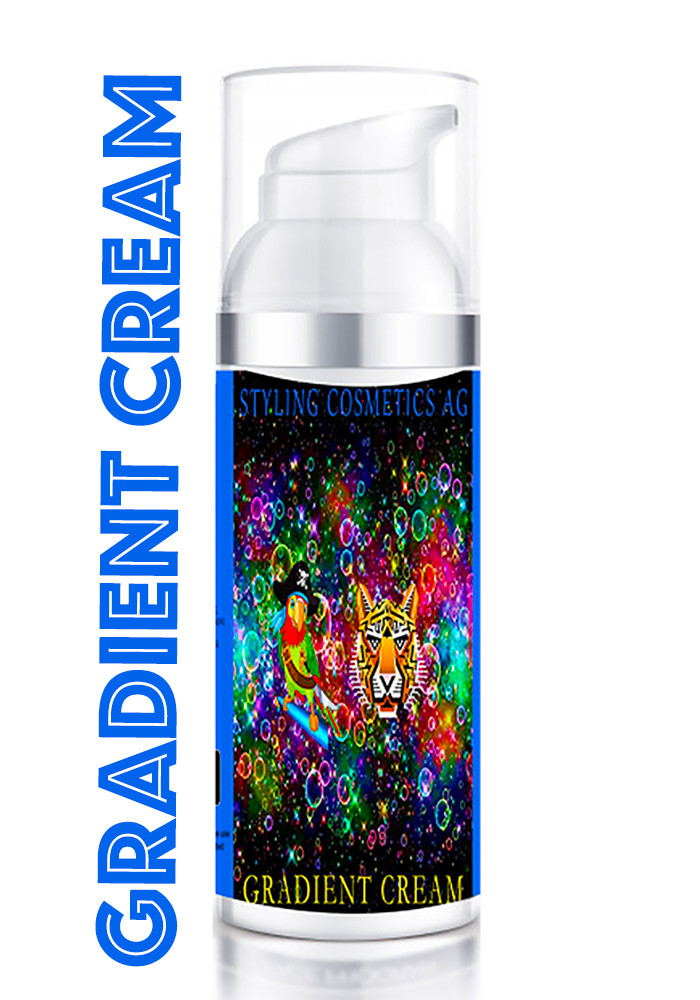
Gradient Cream — Metabolic Support
Complements barrier recovery logic when broader epidermal regulation and protocol continuity are clinically relevant.
Ceramide-oriented barrier care is particularly valuable when the skin needs support after controlled exfoliation, dryness, weather exposure, cleansing stress or active cosmetic protocols. This is where a recovery product such as Kosmopeel can be positioned as part of a rational post-procedure and barrier-support strategy.
When the objective is broader epidermal improvement, barrier recovery can also be integrated with metabolic cosmetic support such as Gradient Cream, depending on the clinical context, skin tolerance and professional protocol logic.
Post-Peel Comfort
Helps support skin comfort after superficial or controlled exfoliating procedures when dryness and tightness are expected concerns.
Cold and Dry Conditions
Supports the lipid barrier when low humidity, wind or seasonal exposure increase evaporation and discomfort.
Protocol Continuity
Helps maintain tolerance during cosmetic protocols by supporting the barrier between active interventions.
Frequently Asked Clinical Questions
Are ceramides useful after a chemical peel?
Yes. Ceramides can be useful after controlled exfoliation because they support the lipid component of the skin barrier and help create a more comfortable recovery environment.
Are ceramides the same as simple moisturizers?
No. Ceramides are barrier lipids. They are not only water-binding agents; they help support the structural lipid organization of the stratum corneum.
Do humectants replace ceramides?
No. Humectants bind water, while ceramides support the lipid architecture of the barrier. They are complementary, not interchangeable.
Why is barrier repair important in cosmetic protocols?
Barrier repair helps preserve tolerance, comfort and visible recovery. Without adequate recovery support, active protocols may become less well tolerated.
Which product page is most relevant for barrier recovery?
The most relevant product page is Kosmopeel, which can be positioned as a barrier-support and recovery product in cosmetic dermatology.
Support the Barrier.
Improve Recovery Logic.
Kosmopeel
The central barrier-recovery product for post-peel comfort, lipid support and cosmetic recovery logic.
Gradient Cream
A complementary product for epidermal support within professional cosmetic protocols.
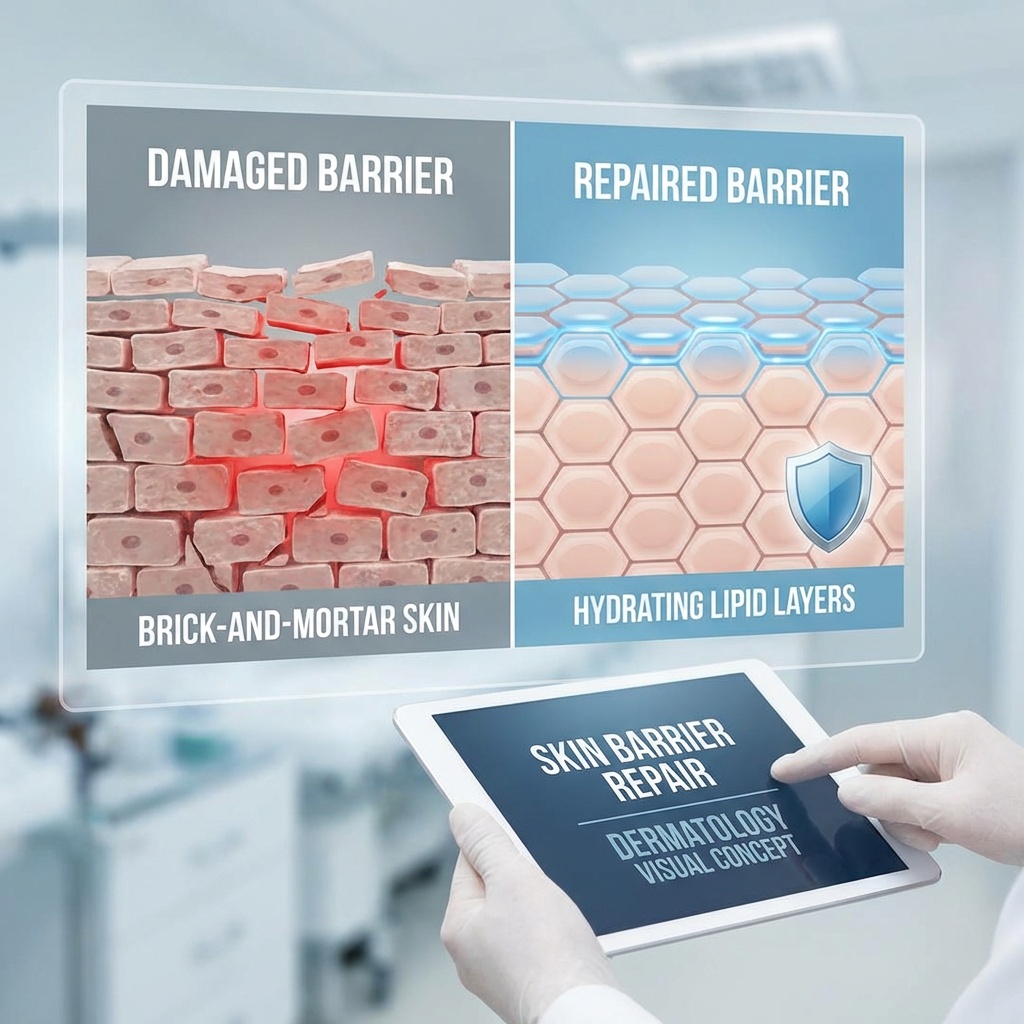
Ceramides help connect cosmetic science with clinical reasoning: hydration is not enough when the lipid architecture of the skin barrier is compromised.