Accéder au contenu principal
  • Intro Text: Prepare the treatment area under strict aseptic conditions, preserving all anatomical and procedural markings to ensure accuracy and reproducibility of the protocol.
  • Combinations – Before:

    Recommended combinations (before):

    • PrePeel – Prepares the skin surface and facilitates uniform cleansing prior to aseptic skin management.
    • Microabrasive Cream – Improves surface regularity and removes excess corneocyte accumulation before aseptic preparation.

    Clinical benefit: Enhances skin surface uniformity and optimizes aseptic preparation conditions.

  • Combinations – After:

    Recommended combinations (after):

    • Gradient Cream – Supports epidermal comfort and barrier recovery following aseptic skin preparation.
    • StretchPeel – Helps maintain tissue dynamics without compromising the aseptic state of the skin.

    Clinical benefit: Supports post-procedure skin balance while preserving epidermal integrity.

  • Combinations – Alternate:

    Recommended combinations (alternate):

    • Gradient Cream – Maintains epidermal balance and hydration between procedures.
    • Aseptiskin – Used intermittently to preserve optimal skin hygiene and barrier stability.

    Clinical benefit: Helps maintain skin equilibrium and procedural readiness over time.

  • Recommended Phototypes: I, II, III, IV, V, VI
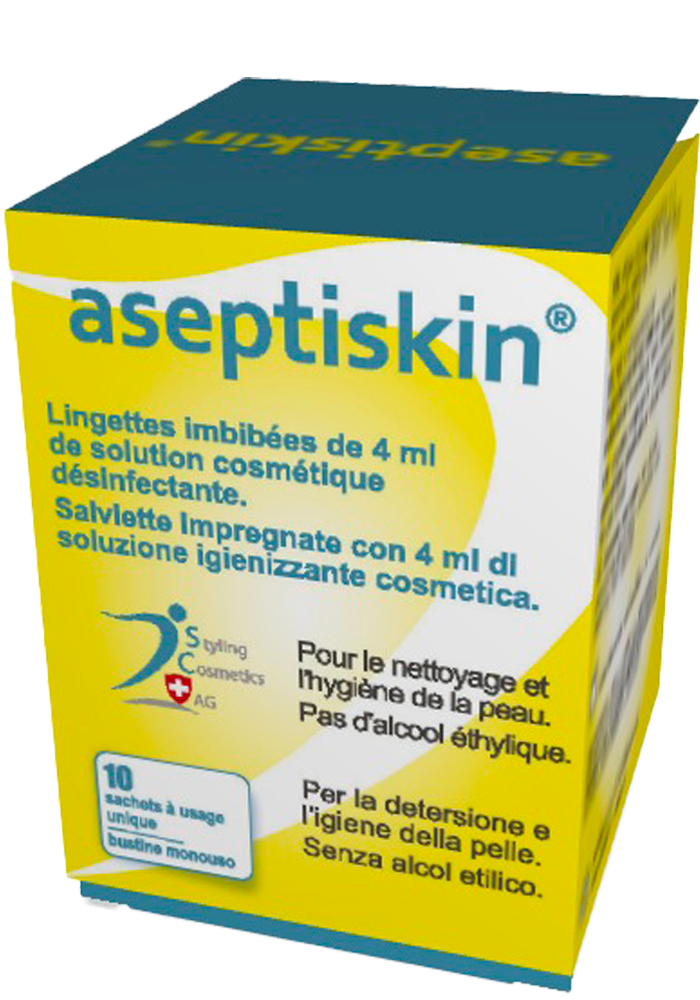
  • Formulation Type: Solution-based formulation (impregnated wipes)
  • Topographic Categories: Face , Body , Neck, Décolleté, Periocular, Hands, Scalp, Foot
  • Specific Indications:
    • Aseptic skin preparation prior to procedures
    • Pre-treatment reduction of surface contaminants
    • Cleansing of sensitive anatomical areas
  • Functional Classification: Superficial Clinical Approach
  • Clinical Approach: Aseptic skin preparation and surface management
  • Primary Clinical Function: Reduction of surface contaminants and optimization of procedural conditions
  • Downtime: none
  • Desquamation Profile: No desquamation
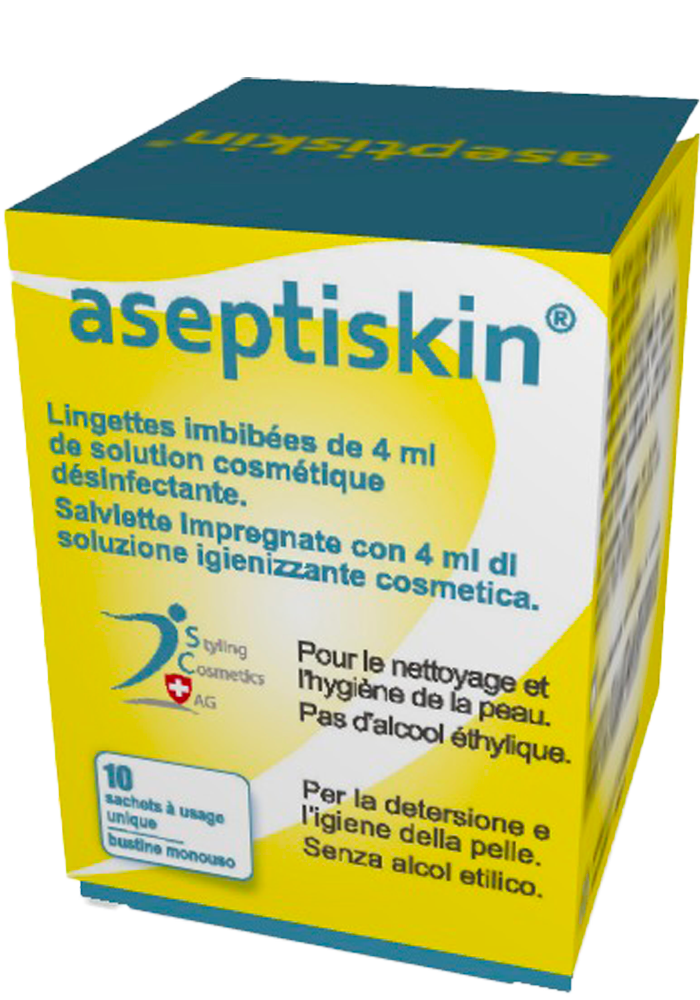
aseptiskin

Buy It

  • Primary Clinical Function

  • Clinical Approach

Specific Indications

Clinical Parameters

  • Downtime

  • Desquamation Profile

Key Active Ingredients

Aseptiskin is formulated according to a strictly aseptic and non-alcohol-based approach, designed to optimize skin surface conditions prior to peeling and aesthetic procedures without disrupting epidermal balance or metabolic integrity.

  • Cetrimonium Bromide – A quaternary ammonium compound contributing to controlled surface hygiene and reduction of cutaneous contaminants without the aggressive effects associated with alcohol-based solutions.
  • Undecylenic Acid – A fatty acid derivative supporting cutaneous surface balance and helping to limit microbial overgrowth while preserving skin tolerance.
  • Sorbic Acid – A well-tolerated preservative agent contributing to formulation stability and controlled surface hygiene without interfering with peeling chemistry.
  • Sodium Dehydroacetate – A mild antimicrobial stabilizer supporting product safety and surface integrity in sensitive and pre-procedural contexts.

This functional composition allows Aseptiskin to ensure optimal aseptic skin preparation while fully preserving the predictability, safety, and scientific reliability of advanced and metabolic peeling protocols.

Clinical Protocol Note – Alcohol-Free Skin Preparation

Clinical Protocol Note — Alcohol-Free Skin Preparation

Aseptiskin is designed as an alcohol-free aseptic skin preparation step for professional peeling protocols and dermatologic procedures. Its role is to help create controlled surface conditions while preserving procedural markings and overall protocol predictability.

In advanced peeling workflows, alcohol-based cleansers may introduce avoidable variability (e.g., excessive dryness, irritation, or unwanted interactions in the presence of acids). For this reason, an alcohol-free preparation step is preferred when consistency and tolerance are critical.

  • Alcohol-free surface preparation for sensitive or reactive skin contexts.
  • Preserves markings used for mapping, segmentation, or injection planning.
  • Protocol reliability through cleaner, more stable pre-procedure conditions.
  • Compatible workflow step before metabolic and multi-acid peeling strategies.

This note refers to professional protocol use and does not constitute a pharmacological or therapeutic claim.

What Aseptiskin Is / What It Is Not

What it is
  • An alcohol-free aseptic skin preparation for professional procedures.
  • A protocol step designed to stabilize surface conditions before peels or injectables.
  • A solution that preserves procedural markings and skin mapping.
  • A compatible preparation for metabolic and multi-acid peeling workflows.
What it is not
  • Not an alcohol-based cleanser or degreasing solution.
  • Not a cosmetic make-up remover.
  • Not a substitute for protocol-specific antiseptic measures.
  • Not a treatment or therapeutic product.

This clarification reflects professional protocol positioning and is not intended as a regulatory or pharmacological claim.

Why Aseptiskin Is Irreplaceable in Our Peeling Protocols

The use of Aseptiskin is not optional but essential in all of our peeling procedures. Replacing it with lower-cost alternatives may appear economical at first glance, but in practice it compromises both procedural safety and clinical outcomes.

Protocol note: Alcohol-based solutions must never be used, as they may induce harmful chemical interactions and compromise peel predictability.

  • A gesture of refinement: Patients undergoing private aesthetic treatments expect a high standard of care, precision, and professionalism. Using Aseptiskin reflects this level of clinical excellence.
  • No alcohol, no risk: Aseptiskin is non-alcohol-based and does not disturb the delicate balance of our metabolic peeling protocols.
  • Avoiding esterification damage: Alcohol-based solutions can react with peeling formulations through esterification. Clinically, this may result in extensive visible staining that can persist for approximately one month and cannot be treated during that period.
  • Superior to cosmetic solutions: Tonics, make-up removers, cleansing milks, and similar cosmetic products are inappropriate in a medical context and may sustain or aggravate acne or inflammatory lesions, which must never be stimulated prior to a peeling procedure.
  • Protecting protocol integrity: A single inappropriate substitution is sufficient to compromise the reproducibility and predictability of the entire peeling protocol.

Specific Benefits

Aseptiskin provides controlled and reliable skin preparation prior to aesthetic and dermatologic procedures, ensuring optimal surface conditions without altering markings or procedural precision.

Pre-peel preparation No alcohol Marking preserved Physician-grade
  • Cleans the skin prior to any treatment while preserving procedural markings
  • Specifically designed for pre-peel skin preparation
  • Helps reduce surface impurities without aggressive cleansing
  • Gentle yet effective on sensitive and pigmented skin types
  • Formulated for exclusive professional use by medical doctors and physicians

Aseptiskin is based on a quaternary ammonium compound with combined antiseptic and surfactant properties, ensuring controlled surface hygiene without compromising peel chemistry or skin barrier integrity.

  • No alcohol, eliminating any risk of ester formation with acidic peeling agents
  • Free of metallic ions (iron, copper, zinc) that may interfere with peel reactions
  • Non-denaturing to keratin and epidermal barrier lipids, unlike alcohol-based solutions
  • Preserves the physiological acid–lipid balance of the skin
  • Provides antimicrobial surface protection without altering peel behavior
  • Leaves no reactive residues on the skin surface

Marking preservation protocol

  1. Draw the procedural marking on uncleaned skin.
  2. Apply the Aseptiskin wipe and leave it in place for 1 minute.
  3. The skin is cleansed while all reference markings remain intact for the medical procedure.
Clinical Protocol Mapping

Combinations & Functional Snapshot

This section clarifies how the product is integrated before, after, or between protocols, and summarizes its recommended phototypes and formulation identity in a clearer premium format.

Before

Recommended Combinations Before

  • PrePeel — prepares the skin surface and facilitates uniform cleansing prior to aseptic skin management.
  • Microabrasive Cream — improves surface regularity and removes excess corneocyte accumulation before aseptic preparation.
Clinical benefit: Enhances skin surface uniformity and optimizes aseptic preparation conditions.
After

Recommended Combinations After

  • Gradient Cream — supports epidermal comfort and barrier recovery following aseptic skin preparation.
  • StretchPeel — helps maintain tissue dynamics without compromising the aseptic state of the skin.
Clinical benefit: Supports post-procedure skin balance while preserving epidermal integrity.
Alternate

Recommended Alternate Pairings

  • Gradient Cream — maintains epidermal balance and hydration between procedures.
  • Aseptiskin — used intermittently to preserve optimal skin hygiene and barrier stability.
Clinical benefit: Helps maintain skin equilibrium and procedural readiness over time.

Recommended Phototypes

I II III IV V VI
Suitable across all Fitzpatrick phototypes when integrated correctly into protocol planning and skin preparation.

Formulation Type

Solution-Based Impregnated Wipes
Designed for practical protocol integration where fast, controlled, and uniform application is required.
Premium static HTML is safer here than dynamic field rendering because wording, hierarchy, and clinical meaning remain fully controlled.

Usage Context

Professional (B2B) use: Aseptiskin is intended for professional use as a mandatory skin preparation step prior to chemical peels, injectable treatments, and aesthetic procedures. Its non-alcohol-based formulation ensures optimal aseptic surface conditions while preserving procedural markings and maintaining the chemical integrity of advanced and metabolic peeling protocols.

Home-care (B2C) use: Aseptiskin may be used as a supportive skin cleansing solution between in-office procedures to maintain surface hygiene and procedural readiness. It is well tolerated, leaves no reactive residues, and can be incorporated into short-term or intermittent home-care routines under professional guidance.

Buy Aseptiskin

  • Aseptiskin is intended for professional use and controlled home-care application.
  • Select the appropriate format and quantity according to your clinical workflow or professional guidance.


Proceed to purchase

swiss-made top-quality

Lire la suite

  • Intro Text: 30 Min Peel Off is a gel-based superficial peeling system designed for controlled epidermal exfoliation with peel-off removal after approximately 45 minutes. It promotes epidermal renewal while preserving barrier integrity, making it suitable for all skin types and all seasons within professional protocols.
  • Combinations – Before:

    Combination — Before

    Recommended preparatory steps to optimize uniformity and procedural control.

    • Pre Peel — Degreasing and preparation step enhancing homogeneous application and surface contact.
    • Aseptiskin — Superficial cleansing and pore-clarifying step ensuring optimal peel adhesion and uniform action.
  • Combinations – After:

    Combination — After

    Post-exfoliation support maintaining barrier balance and protocol continuity.

    • Post Peel — Supports recovery comfort and controlled epidermal stabilization.
    • Clarté de Lune — Enhances luminosity and tone harmony during maintenance phases.
    • Gradient Cream — Protocol-compatible maintenance cream supporting surface smoothness and skin comfort.
  • Combinations – Alternate:

    Alternate Options

    Alternative solutions depending on skin sensitivity, desired intensity, and protocol objectives.

    • Aseptiskin — Superficial cleansing-oriented option when a lighter pore-clarity approach is preferred.
    • Peeling de Luxe Plus — Structured metabolic peeling option for protocols requiring higher intensity.
    • Stretchpeel — Alternate metabolic support option for texture refinement strategies.
  • Recommended Phototypes: I, II, III, IV, V, VI
  • Formulation Type: Gel formulation
  • Topographic Categories: Face , Neck, Décolleté, Periocular, Hands, Foot
  • Specific Indications:
    • Uneven skin texture and dull complexion
    • Skin requiring immediate superficial exfoliation
    • Clogged pores and visible blackheads
    • Supports pore clarity and reduction of surface impurities
    • Mild superficial hyperkeratotic buildup
    • Enhances skin luminosity and surface smoothness
    • Suitable for acne-prone skin appearance (non-inflammatory)
    • Preparation phase before advanced metabolic or resurfacing protocols
    • Maintenance exfoliation in controlled renewal programs
  • Functional Classification: Superficial Clinical Approach, Metabolic Clinical Approach
  • Clinical Approach: This product follows a superficial, non-aggressive clinical approach aimed at supporting epidermal renewal through controlled exfoliation rather than tissue destruction. The formulation is designed to respect cutaneous metabolic balance and skin barrier integrity, enabling safe and repeatable professional use.
  • Primary Clinical Function: Superficial exfoliation promoting epidermal turnover
  • Downtime: Immediate return to normal activities
  • Desquamation Profile: Soft desquamation, Gommage / Peel-off
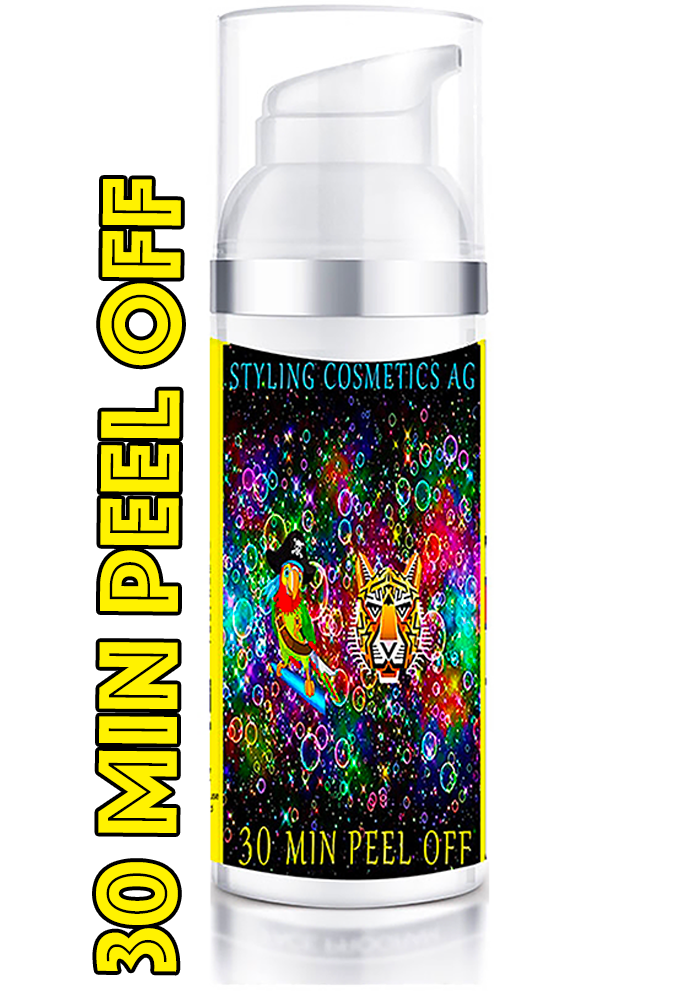
30 min Peel Off

30 Min Peel Off
Controlled Superficial Peel-Off System for Professional Epidermal Renewal

30 Min Peel Off is a superficial gel-based peel-off exfoliation system designed for controlled epidermal renewal and pore clarity without tissue destruction.

Buy It


Functional Classification & Clinical Positioning

  • Functional Classification

  • Primary Clinical Function

  • Clinical Approach

Specific Indications

Clinical Highlights

Controlled Superficial Action

Provides uniform epidermal exfoliation with peel-off removal, ensuring predictable superficial depth.

Barrier-Respecting Design

Designed to preserve stratum corneum balance while stimulating renewal.

All-Season Compatibility

Suitable for use throughout the year under professional supervision.

Product Scope: What 30 Min Peel Off Is / What It Is Not

Product Scope: What 30 Min Peel Off Is / What It Is Not

What it is

  • A controlled, superficial peel-off exfoliation system designed to support epidermal renewal.
  • A non-aggressive approach to improve surface texture, skin clarity, and luminosity.
  • A protocol-compatible step for preparation or maintenance within metabolic peeling programs.
  • A predictable superficial action with peel-off removal and minimal downtime (clinical assessment required).

What it is not

  • Not a medium- or deep-depth peel and not intended for aggressive resurfacing.
  • Not a tissue-destructive chemical peel (no coagulative intent).
  • Not a substitute for medical treatment of inflammatory acne or dermatologic disease.
  • Not designed to induce frosting, wounding, or prolonged recovery.
Clinical note: Indications and frequency should be adapted to skin condition, protocol objectives, and practitioner assessment.

Clinical Parameters

  • Formulation Type

  • Topographic Categories

  • Phototypes

  • Downtime

  • Desquamation Profile

Key Active Ingredients

  • Polyvinyl Alcohol – Film-forming polymer enabling controlled peel-off mechanical removal and uniform superficial exfoliation.
  • Urea – Keratolytic and hydrating agent supporting controlled epidermal renewal while maintaining barrier balance.
  • Undecylenic Acid – Contributes to surface purification and supports a clearer skin appearance.
  • Mentha Piperita (Peppermint) Oil – Provides a refreshing sensory effect and supports surface clarity.
  • Ethoxydiglycol & Propylene Glycol – Solvent and penetration-support components enhancing uniform distribution.
  • Ricinoleth – Emollient-support component contributing to texture and spreadability.
  • Sorbic Acid – Stabilizing agent preserving formulation integrity.
  • Aqua (Water) – Vehicle base.
Ethical & Composition Statement

This formulation contains NO PORK, NO BOVINE, NO OVINE DERIVATIVES, AND NO ANIMAL EXTRACTS. The product is free from animal-derived structural components.

Clinical Positioning & Differentiation

30 Min Peel Off is designed as a controlled superficial renewal system, offering predictable epidermal exfoliation without inducing tissue destruction, coagulative injury, or dermal compromise.

Unlike aggressive chemical peels that rely on chemical wounding mechanisms, this formulation combines mild keratolytic support with a film-forming peel-off system, allowing uniform mechanical removal after controlled contact time.

The peel-off mechanism enables visual confirmation of coverage and homogeneous action, contributing to reproducibility and procedural safety within professional protocols.

Strategic Role in Clinical Protocols

  • Preparation phase before advanced resurfacing or metabolic peels
  • Maintenance exfoliation between procedural sessions
  • Standalone superficial renewal for patients requiring minimal downtime
  • Barrier-respecting alternative to aggressive exfoliation systems

Specific Benefits & Protocol Integration

Clinical Benefits

  • Improves skin surface smoothness and texture uniformity
  • Enhances visible skin clarity and luminosity
  • Supports controlled epidermal turnover
  • Assists in reducing the appearance of surface impurities
  • Refines the look of pores without aggressive chemical action
  • Minimal downtime when used under professional supervision

Typical Position in Protocol

  • Pre-conditioning step before advanced metabolic or resurfacing procedures
  • Maintenance exfoliation between structured peeling sessions
  • Standalone superficial renewal session for barrier-sensitive patients
  • Integration within acne-prone skin appearance management protocols

How 30 Min Peel Off Differs From Traditional Chemical Peels

  • No chemical coagulation mechanism — does not rely on protein denaturation or dermal injury.
  • No dermal penetration intent — designed strictly for superficial epidermal action.
  • No frosting endpoint — avoids visible coagulative response associated with aggressive peels.
  • No induced controlled wounding — focuses on renewal rather than tissue damage.
  • Barrier-respecting superficial renewal — supports epidermal turnover while maintaining cutaneous balance.

Safety Profile & Predictability

  • No dermal penetration intent — action limited to the superficial epidermis.
  • No chemical coagulative endpoint — does not induce frosting or protein denaturation.
  • No downtime — when used under professional supervision within appropriate indications.
  • Predictable peel-off removal allowing uniform coverage control.

International Clinical Integration

Developed within structured metabolic peeling protocols, 30 Min Peel Off is integrated in professional practices internationally as part of controlled superficial renewal strategies.

Its barrier-respecting mechanism makes it suitable for diverse skin presentations and adaptable across different clinical environments worldwide.

Clinical Demonstration & Case Documentation

Explore detailed clinical images and procedural demonstrations illustrating superficial exfoliation, peel-off removal, and post-procedural skin evolution.

View Clinical Cases & Video Demonstrations

Combinations with Other Products

  • Before – Skin Preparation

  • After – Post-Procedure / Maintenance

  • Alternate – Synergy & Comfort Modulation

Usage Context

Professional (B2B) Use:
Intended for integration within structured superficial or metabolic peeling protocols. Application parameters, contact time, and frequency should be adapted according to practitioner assessment and skin condition.

Home-Care Considerations:
Not intended as an unsupervised self-application product. Any home use should follow professional evaluation and protocol guidance.

Clinical Responsibility

Product selection and integration should be based on individual skin evaluation, contraindications, and overall treatment objectives.

Professional Access & Clinical Integration

30 Min Peel Off is a non-coagulative superficial peel-off system designed for controlled epidermal renewal while preserving barrier integrity and ensuring procedural predictability.

Professional Formulation • Non-Coagulative Superficial System • No Downtime

  • swiss-made

    swiss made

  • top-quality

    top-quality

Frequently Asked Questions

Is 30 Min Peel Off a chemical peel?
It is a superficial peel-off exfoliation system and does not rely on deep chemical coagulation mechanisms.

No downtime
when used under professional supervision and appropriate clinical indications

Is it suitable for acne-prone skin?
It may support pore clarity and surface refinement in non-inflammatory acne-prone presentations.

Can it be combined with metabolic peels?
Yes. It is commonly integrated as a preparatory or maintenance step within structured protocols.

Lire la suite

  • Intro Text: Professional clinic-size format of the 30 Min Peel Off gel, intended for repeated in-office use. Provides controlled superficial exfoliation with peel-off removal after approximately 45 minutes, supporting epidermal renewal while maintaining skin barrier integrity.
  • Combinations – Before:

    Combination — Before

    Professional preparatory steps to ensure uniform application and optimized clinical predictability.

    • Pre Peel — Degreasing phase supporting homogeneous product contact and controlled surface interaction.
    • Aseptiskin — Superficial cleansing step enhancing pore clarity prior to peel-off application.
  • Combinations – After:

    Combination — After

    Post-exfoliation support to maintain barrier integrity and structured protocol continuity.

    • Post Peel — Recovery-support phase maintaining epidermal comfort following superficial exfoliation.
    • Clarté de Lune — Luminosity support and tone refinement during maintenance intervals.
    • Gradient Cream — Structured maintenance support within extended clinical protocols.
  • Combinations – Alternate:

    Alternate Clinical Options

    Alternative protocol integrations depending on intensity requirements and clinical objectives.

  • Recommended Phototypes: I, II, III, IV, V, VI
  • Formulation Type: Gel formulation
  • Topographic Categories: Face , Body , Neck, Décolleté, Periocular, Hands, Foot
  • Specific Indications: Dont put anything in this field as I have replaced here an html directly via yootheme otherwise it looks quite bad .
  • Functional Classification: Superficial Clinical Approach, Metabolic Clinical Approach
  • Clinical Approach:

    The 1 kg professional format follows the same non-coagulative, superficial clinical philosophy as the standard presentation, focusing on controlled epidermal exfoliation rather than chemical tissue injury.

    Designed for structured in-clinic application, it supports predictable peel-off removal, homogeneous surface action, and reproducible results across repeated professional sessions.

    The formulation is intended for integration within metabolic and superficial renewal protocols, emphasizing barrier-respecting exfoliation and procedural consistency in high-frequency practice environments.

  • Primary Clinical Function: <p style="color:#d7dee6;">Controlled superficial exfoliation supporting reproducible epidermal renewal in structured clinical environments.</p>
  • Downtime: No downtime
  • Desquamation Profile: Soft desquamation, Gommage / Peel-off
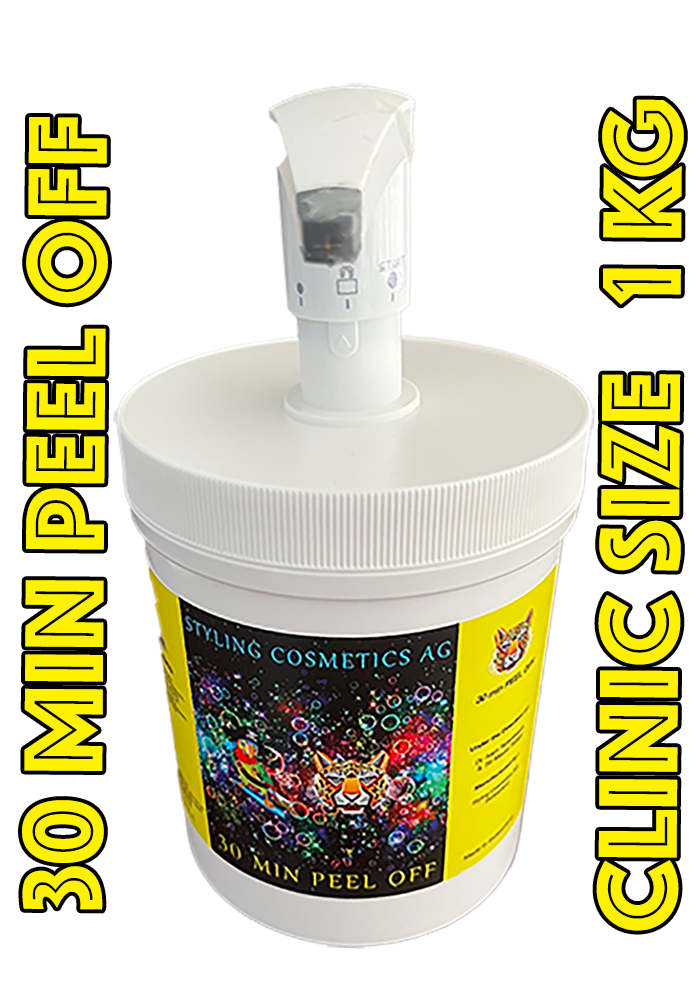
30 min Peel Off clinic size

30 Min Peel Off
Professional Clinic Size (1 kg)
Controlled Superficial Peel-Off System for Professional Epidermal Renewal

30 Min Peel Off Clinic Size (1 kg) is a professional, gel-based superficial peel-off exfoliation system designed for controlled epidermal renewal and pore clarity without tissue destruction, supplied in an extended format optimized for high-volume in-clinic protocol integration.

Same controlled superficial peel-off formulation, supplied in extended professional format for optimized cost-efficiency and structured cabinet use.

Buy It


Functional Classification & Clinical Positioning

  • Functional Classification

  • Primary Clinical Function

  • Clinical Approach

Specific Indications

Intended for structured professional use within superficial renewal and pore-refinement protocols.

  • Uneven skin texture requiring controlled superficial exfoliation.
  • Dull or devitalized skin appearance requiring epidermal renewal support.
  • Visible pore congestion and comedonal-prone presentations (non-inflammatory).
  • Mild superficial hyperkeratotic buildup in professional resurfacing planning.
  • Preparation phase prior to structured metabolic peeling protocols.
  • Maintenance integration in high-frequency clinical environments.

Clinical Highlights

Controlled Superficial Action

Provides uniform epidermal exfoliation with peel-off removal, ensuring predictable superficial depth.

Barrier-Respecting Design

Designed to preserve stratum corneum balance while stimulating renewal.

All-Season Compatibility

Suitable for use throughout the year under professional supervision.

Product Scope: What 30 Min Peel Off Is / What It Is Not

Product Scope: What 30 Min Peel Off Is / What It Is Not

What it is

  • A controlled, superficial peel-off exfoliation system designed to support epidermal renewal.
  • A non-aggressive approach to improve surface texture, skin clarity, and luminosity.
  • A protocol-compatible step for preparation or maintenance within metabolic peeling programs.
  • A predictable superficial action with peel-off removal and minimal downtime (clinical assessment required).

What it is not

  • Not a medium- or deep-depth peel and not intended for aggressive resurfacing.
  • Not a tissue-destructive chemical peel (no coagulative intent).
  • Not a substitute for medical treatment of inflammatory acne or dermatologic disease.
  • Not designed to induce frosting, wounding, or prolonged recovery.
Clinical note: Indications and frequency should be adapted to skin condition, protocol objectives, and practitioner assessment.

Clinical Parameters

  • Formulation Type

  • Topographic Categories

  • Phototypes

  • Downtime

  • Desquamation Profile

Key Active Ingredients

  • Polyvinyl Alcohol – Film-forming polymer enabling controlled peel-off mechanical removal and uniform superficial exfoliation.
  • Urea – Keratolytic and hydrating agent supporting controlled epidermal renewal while maintaining barrier balance.
  • Undecylenic Acid – Contributes to surface purification and supports a clearer skin appearance.
  • Mentha Piperita (Peppermint) Oil – Provides a refreshing sensory effect and supports surface clarity.
  • Ethoxydiglycol & Propylene Glycol – Solvent and penetration-support components enhancing uniform distribution.
  • Ricinoleth – Emollient-support component contributing to texture and spreadability.
  • Sorbic Acid – Stabilizing agent preserving formulation integrity.
  • Aqua (Water) – Vehicle base.
Ethical & Composition Statement

This formulation contains NO PORK, NO BOVINE, NO OVINE DERIVATIVES, AND NO ANIMAL EXTRACTS. The product is free from animal-derived structural components.

Clinical Positioning & Differentiation

30 Min Peel Off is designed as a controlled superficial renewal system, offering predictable epidermal exfoliation without inducing tissue destruction, coagulative injury, or dermal compromise.

Unlike aggressive chemical peels that rely on chemical wounding mechanisms, this formulation combines mild keratolytic support with a film-forming peel-off system, allowing uniform mechanical removal after controlled contact time.

The peel-off mechanism enables visual confirmation of coverage and homogeneous action, contributing to reproducibility and procedural safety within professional protocols.

Strategic Role in Clinical Protocols

  • Preparation phase before advanced resurfacing or metabolic peels
  • Maintenance exfoliation between procedural sessions
  • Standalone superficial renewal for patients requiring minimal downtime
  • Barrier-respecting alternative to aggressive exfoliation systems

Specific Benefits & Protocol Integration

Clinical Benefits

  • Improves skin surface smoothness and texture uniformity
  • Enhances visible skin clarity and luminosity
  • Supports controlled epidermal turnover
  • Assists in reducing the appearance of surface impurities
  • Refines the look of pores without aggressive chemical action
  • Minimal downtime when used under professional supervision

Typical Position in Protocol

  • Pre-conditioning step before advanced metabolic or resurfacing procedures
  • Maintenance exfoliation between structured peeling sessions
  • Standalone superficial renewal session for barrier-sensitive patients
  • Integration within acne-prone skin appearance management protocols

How 30 Min Peel Off Differs From Traditional Chemical Peels

  • No chemical coagulation mechanism — does not rely on protein denaturation or dermal injury.
  • No dermal penetration intent — designed strictly for superficial epidermal action.
  • No frosting endpoint — avoids visible coagulative response associated with aggressive peels.
  • No induced controlled wounding — focuses on renewal rather than tissue damage.
  • Barrier-respecting superficial renewal — supports epidermal turnover while maintaining cutaneous balance.

Safety Profile & Predictability

  • No dermal penetration intent — action limited to the superficial epidermis.
  • No chemical coagulative endpoint — does not induce frosting or protein denaturation.
  • No downtime — when used under professional supervision within appropriate indications.
  • Predictable peel-off removal allowing uniform coverage control.

International Clinical Integration

Developed within structured metabolic peeling protocols, 30 Min Peel Off is integrated in professional practices internationally as part of controlled superficial renewal strategies.

Its barrier-respecting mechanism makes it suitable for diverse skin presentations and adaptable across different clinical environments worldwide.

Professional Format Advantages

Extended professional presentation designed for structured in-clinic application, high-frequency protocol environments, and optimized cost-efficiency.

  • 1 kg professional format — optimized for repeated supervised clinical use.
  • Same formulation as the standard format — identical non-coagulative superficial peel-off system supplied in extended professional volume.
  • Optimized cost-per-treatment ratio — providing improved economic efficiency for structured clinical environments.
  • Cabinet-exclusive integration — intended for professional application within superficial and metabolic renewal protocols.

Clinical Demonstration & Case Documentation

Explore detailed clinical images and procedural demonstrations illustrating superficial exfoliation, peel-off removal, and post-procedural skin evolution.

View Clinical Cases & Video Demonstrations

Combinations with Other Products

  • Before – Skin Preparation

  • After – Post-Procedure / Maintenance

  • Alternate – Synergy & Comfort Modulation

Usage Context

Professional Use Only:
The 1 kg clinic format is intended exclusively for in-clinic application by qualified professionals within structured protocols.

Professional Access & Clinical Integration

30 Min Peel Off is a non-coagulative superficial peel-off system designed for controlled epidermal renewal while preserving barrier integrity and ensuring procedural predictability.

Professional Formulation • Non-Coagulative Superficial System • No Downtime

  • swiss-made

    swiss made

  • top-quality

    top-quality

Frequently Asked Questions — Clinic Size (1 kg)

Is the formulation different from the standard format?
No. The formulation is identical. The clinic size provides the same controlled superficial peel-off system in an extended 1 kg professional format.

Who is the 1 kg clinic format intended for?
It is intended exclusively for qualified professionals and high-volume in-clinic use within structured superficial or metabolic renewal protocols.

Is the clinic size suitable for home application?
No. The 1 kg clinic format is not intended for unsupervised self-application and should be used only in a professional clinical setting.

Does 30 Min Peel Off (1 kg) cause downtime?
No. When used under appropriate professional indications, it is designed for controlled superficial exfoliation without recovery periods.

Can it be combined with other products in a protocol?
Yes. It can be integrated with preparatory and post-procedural steps (e.g., degreasing, barrier support, maintenance creams) depending on clinical objectives.

Why choose the clinic size format?
The 1 kg format is optimized for repeated professional sessions, improving cost-efficiency per treatment and ensuring continuity in high-frequency practice environments.

Lire la suite

  • Intro Text: Salicylic Acid is a lipophilic beta-hydroxy acid designed for controlled superficial exfoliation and pore-level skin clarification. Its affinity for sebum-rich areas allows targeted action on surface irregularities and congested pores, while maintaining a predictable and professional clinical profile.
  • Recommended Phototypes: I, II, III, IV
  • Formulation Type: Liquid acids, Gel formulation
  • Topographic Categories: Face , Body , Neck, Décolleté, Periocular
  • Functional Classification: Superficial Clinical Approach
  • Clinical Approach: Superficial clinical approach based on lipophilic beta-hydroxy acid activity, allowing targeted exfoliation within sebum-rich areas while maintaining a predictable and controllable surface effect.
  • Primary Clinical Function: Controlled superficial exfoliation with targeted pore-level skin clarification.
  • Downtime: None to minimal
  • Desquamation Profile: Soft desquamation, Moderate desquamation
salicylic-acid

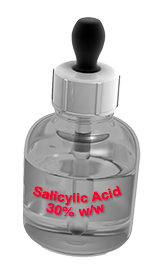
Salicylic Acid

Liquid or Gel

Salicylic Acid in alcohol (liquid)  or glycerol (gel) is mostly used to treat hyperpigmentations which are ,, resistant,, to TCA .

Specific Indications

  • Hyperpigmentations ,, resistant,, to TCA 
  • Axillary hollows hyperpigmentations.
  • Intime Area hyperpigmentations . 
  • A true innovative anti-aging gel,recommended for elderly skin or skin with premature aging in absence of allergy .

Desquamation

For which phototypes can it be applied ?

phototypes-i-iv

Buy It

top-quality swiss-made

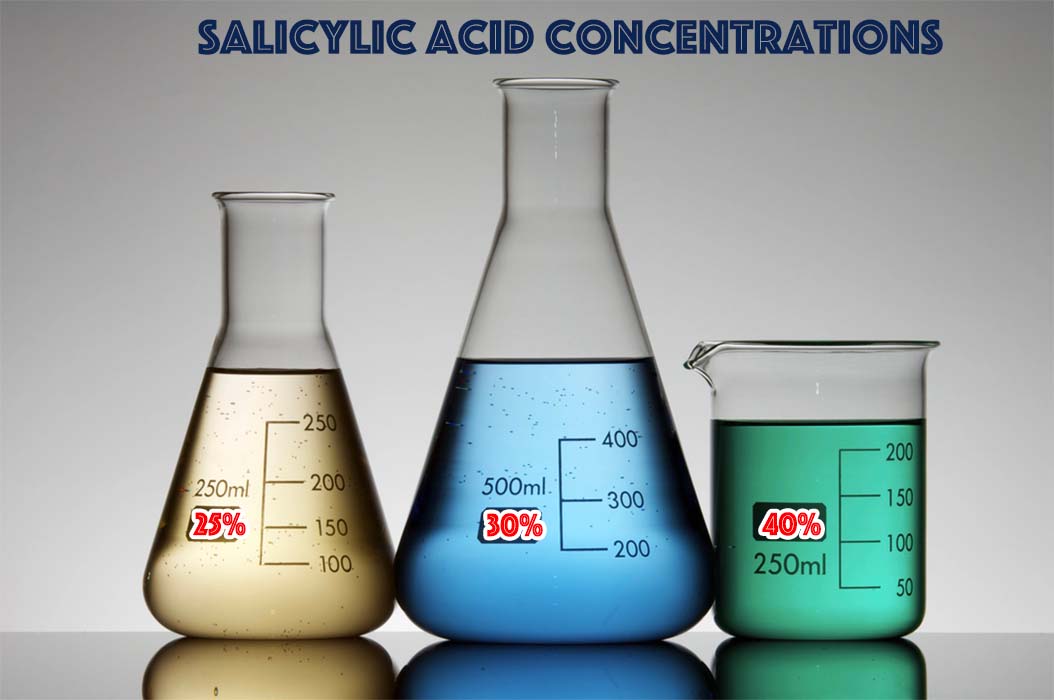
3 Concentrations are available for clinical use

3 concentrations salicylic acid
Salicylic Concentrations & Visual Effects Rose ( Blush) Grey (Patchy) White Dense

Physical Effect


Appearance

Crystallization

Pseudo Frosting

Concentrations w/v


25% or less

25-30%

30-40%

Effects


  • Mild erythema
  • no visible frosting
  • no visible crystallization
  • Visible pseudofrosting in some zones
  • partial precipitation of crystals
  • Thick white film
  • crystallized salicylic acid
  • not true protein coagulation

Depth


  • Very superficial
  • Superficial peel
  • Superficial epidermal peel

Indications


  • Sensitive skin

  • maintenance treatments

  • Acne-prone skin
  • comedones
  • oily zones
  • Oily Acne
  • seborrheic skin
  • keratosis pilaris
  • thick skin areas (nose, chin, back)
Salicylic Acid in Ethanol
vs Glycerol
Salicylic Acid
in Ethanol
Salicylic Acid
in Glycerol

Vehicle Type


  • Volatile
  • Fast Penetrating Solvent
  • Humectant
  • Viscous
  • Slow Penetration

Polarity


  • Medium Polarity
  • Low Polarity
  • More hydrophilic

Solubility


  • High
  • Up to 20%
  • Moderate
  • 5-10%

Evaporation


  • Rapid
  • Very Slow

pH Effect


  • More Acidic Feel
  • Dries fast
  • Softer
  • Buffer Effect

Irritation Potential


  • High
  • Especially on mucosa adjacent skin
  • Low to Moderate

Esterification Risk


  • High -> Desiccation of epithelium
  • Needs Heat or Acid Catalyst
  • Low -> Hydration maintained
  • No Esterification possible

Stinging/Burning


  • Common
  • On Sensitive Skin
  • On Damaged Skin
  • Rare
  • Unless combined with Alcohol

Use on Intimate Areas


  • Not Recommended
  • Too Irritant
  • Preferred for Peri Anal Hyperchromia
  • Preferred for Genital Hyperchromia

Specific Indications


  • Oily Zones
  • Non Sensitive Zones
  • Keratotic Zones 

  • Sensitive Skin
  • Thin Skin
  • Hyperpigmented Mucosa Adjacent Skin

Indications for Keratotic Zones


Skin areas with thickened stratum corneum (hyperkeratosis)

 typically due to friction, pressure, or chronic irritation.

  • Upper back

  • Elbows

  • Knees

  • Plantar feet

  • Not Recommended 

Lire la suite

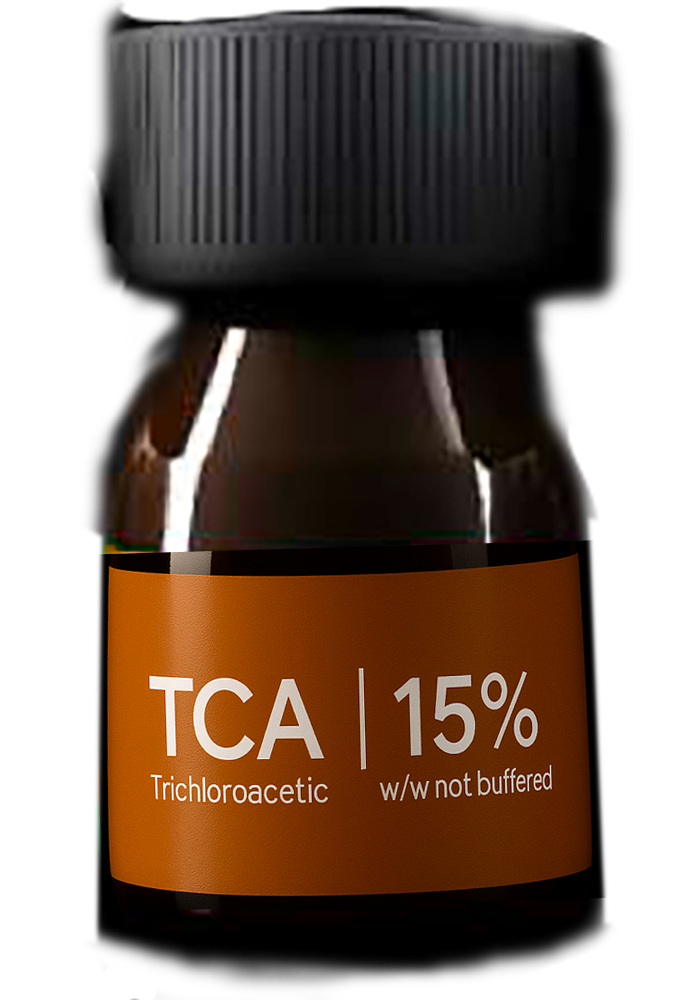
  • Intro Text: TCA 15% w/w is a professionally formulated superficial chemical peel designed for controlled epidermal exfoliation and progressive skin surface renewal. Its concentration allows predictable superficial action under professional protocols, with a well-defined clinical profile and controlled tissue response.
  • Recommended Phototypes: I, II, III, IV
  • Formulation Type: Liquid acids, Gel formulation
  • Topographic Categories: Face , Body , Neck, Décolleté, Periocular, Hands, Foot
  • Functional Classification: Superficial Clinical Approach
  • Clinical Approach: Superficial clinical approach based on trichloroacetic acid–induced protein coagulation, producing predictable epidermal exfoliation under professional protocols without intended dermal involvement.
  • Primary Clinical Function: Controlled superficial epidermal exfoliation with progressive skin surface renewal.
  • Downtime: Minimal to moderate (procedure-dependent).
  • Desquamation Profile: Soft desquamation, Moderate desquamation
TCA15

TCA15 Liquid or Gel

  • TCA exfoliates the skin and promotes cell regeneration.
  • Used for skins`rejuvenation as skincare.

Specific Indications

  • Treatment of Acne Scars
  • Treatment of Wrinkles
  • Treatment of Pigmentation Issues

Desquamation

soft-desquamation

For which phototypes can it be applied

Buy It

top-quality swiss-made

Lire la suite

  • Intro Text: Peel Superstar is a professional multi-active chemical peel designed to provide rapid and visible improvement in overall skin appearance through controlled surface exfoliation. Rather than addressing long-term skin conditions, this formulation focuses on enhancing skin luminosity, smoothness, and uniformity, offering a short-term cosmetic refinement under professional protocols.
  • Recommended Phototypes: I, II, III, IV, V, VI
  • Formulation Type: Cream-based formulation
  • Topographic Categories: Face , Neck, Décolleté, Periocular
  • Functional Classification: Superficial Clinical Approach
  • Clinical Approach: Superficial multi-acid clinical approach combining complementary exfoliating agents to achieve uniform and predictable skin surface refinement, without inducing deep tissue response or prolonged downtime.
  • Primary Clinical Function: Rapid cosmetic enhancement of skin surface appearance through controlled superficial exfoliation.
  • Downtime: None
  • Desquamation Profile: No desquamation, Soft desquamation
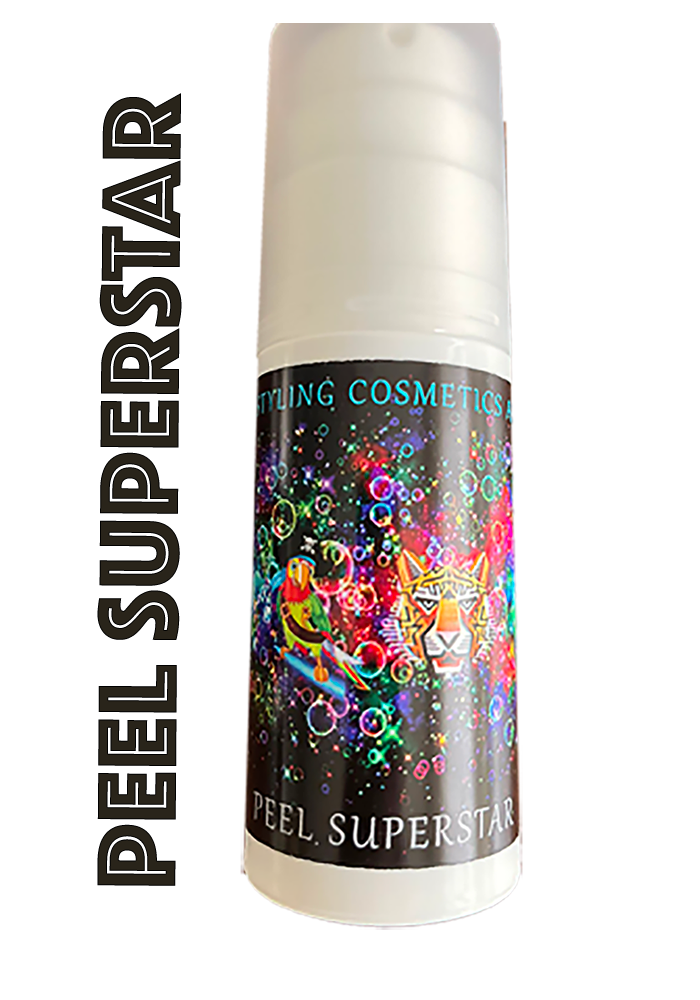
PEEL SUPERSTAR

Peel SuperStar

Greasepaint Cream with Cindirella Effect Cosmetic-Peel .


A Greasepaint cream like  Peel SuperStar is generally a type of fat-based makeup, often used in theater, TV,events or film performances, as well as for stage makeup at carnivals or events. It is quite thick, creamy, and offers full coverage. It is ideal for very distinctive looks, such as clown or fantasy character makeup.

This product wont treat your skin but will just make you loose 10-15 to max 20 years of appearance as will hide all your imprefections for a short period between 24-48 hours.


Ingredients List

  • Rosa Moschata ( Musk Rose) Oil

  • Methionine

  • Aqua ( Water)

  • BHA

  • Magnesium Sulfate

  • Sorbic Acid

  • Tocopherol

  • Triethyl Citrate

  • NO PORK, NO BOVINE, NO OVINE , NO ANIMAL EXTRACTS.

Specific Indications

  • This product is mostly convenient for artists, speakers,journalists,conferencists , giving a talk or lecture to many people.
  • The effect duration is minimum 24 hours to maximum 36 hours.
  • This product acts as an intense  lifting-peeling of the face fo whom stays under the lights of a scene to hide all skin imperfections as signs of age.

Desquamation

soft-desquamation

For which phototypes can it be applied ?

phototypes

Buy It

swiss made top quality divider

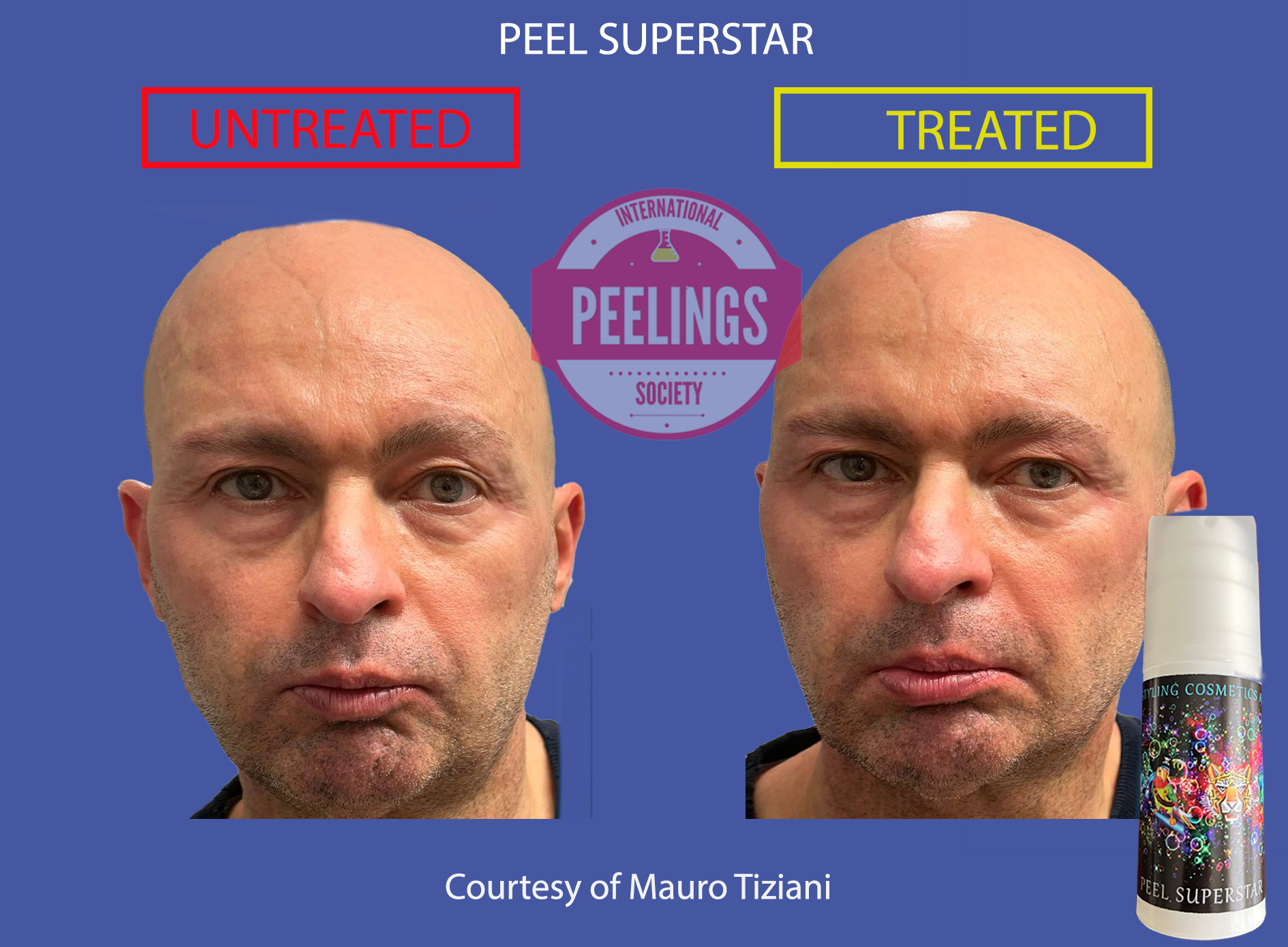
Some Results

peel-superstar-result-after 24h

Results after 24 hours

  • skin imperfections disappear ( more visible on the zoom)
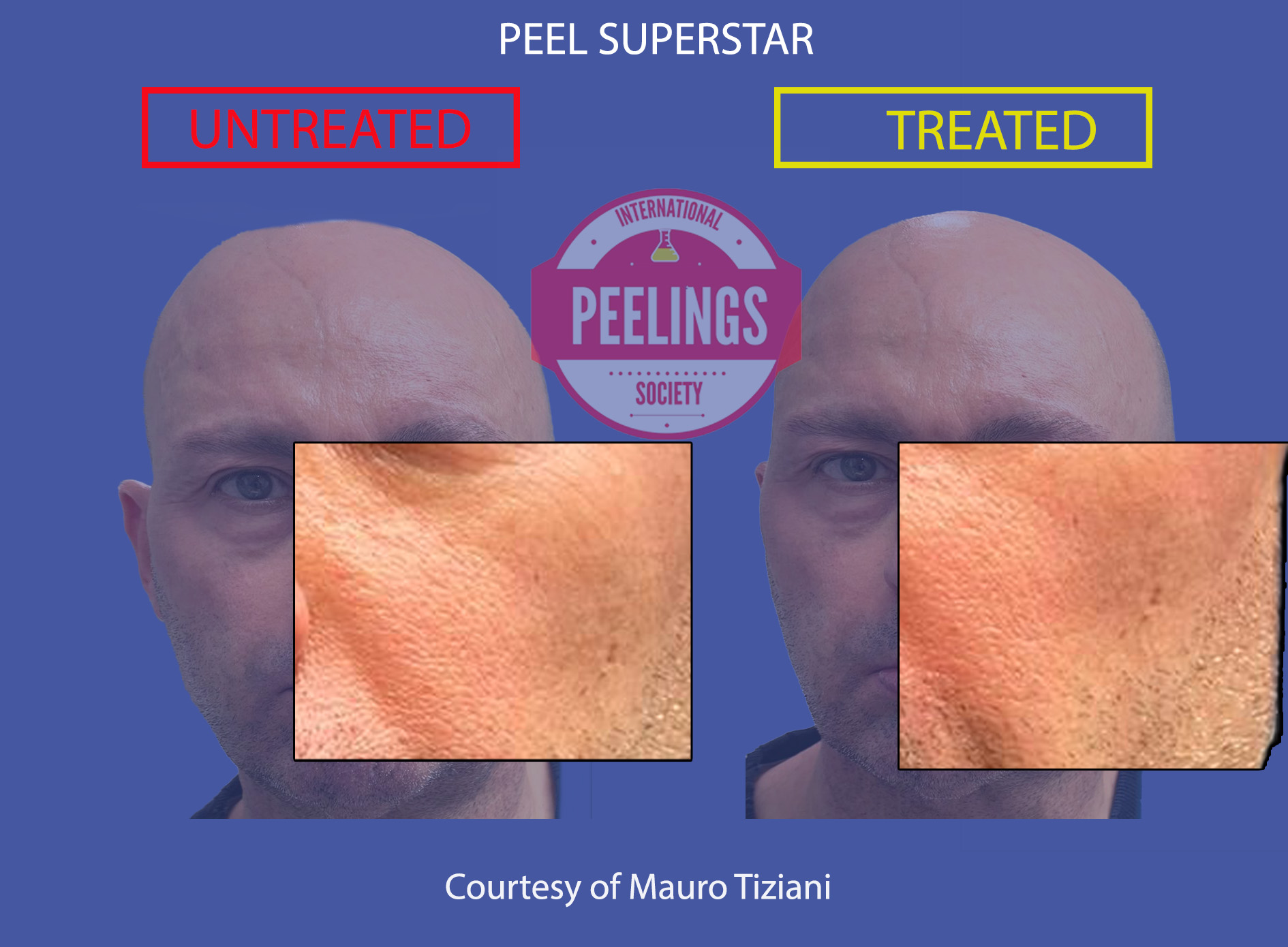
zoom-peel-superstar

Zoom on the Results after 24 hours

  • periocular wrinkles disappeared
  • skin imperfections disappeared

Lire la suite

  • Intro Text: A professional-grade microabrasive body cream designed for deep, immediate smoothing—used dry with circular massage until dead skin rolls off, then rinsed. Ideal year-round for all phototypes; excellent prep for moisturizers, sunscreens, and rapid tanning protocols.
  • Combinations – Before:

    Before – Skin Preparation

  • Combinations – After:

    After – Post-Shower / Maintenance

  • Combinations – Alternate:

    Alternative – Professional Use

    • Ideal preparation step before manicure and pedicure protocols.
    • Deep smoothing of heels and peri-ungual areas.
    • Manual alternative to device-based microdermabrasion.
    • Controlled pressure and surface-only exfoliation.
  • Recommended Phototypes: I, II, III, IV, V, VI
  • Formulation Type: Cream-based formulation
  • Topographic Categories: Body , Décolleté, Hands, Foot
  • Specific Indications:

    Specific Indications

    Immediate deep mechanical exfoliation for smoother texture and better topical performance.

    All phototypes All seasons Dry application Visible roll-off
    Best Areas
    • Body: rough, dull, “built-up” skin
    • Hands: thickened surface / dryness
    • Feet & heels: deep smoothing before care
    • Optional face: occasional, gentle pressure
    Ideal Situations
    • Residual dead cells after showering
    • Before moisturizers & sunscreens
    • Before rapid tanning protocols
    • Manicure & pedicure preparation
    • Manual alternative to devices
  • Functional Classification: Superficial Clinical Approach
  • Clinical Approach:

    Clinical Approach

    1. Apply to dry skin (body, hands, feet).
    2. Massage in circular motions (clockwise or counter-clockwise).
    3. Continue until visible roll-off of dead cells appears.
    4. Rinse or shower, then continue with moisturizer/sunscreen/protocol.

    Face use is optional and occasional—use gentle pressure and short contact time.

  • Primary Clinical Function: <div class="uk-card uk-card-default uk-card-body uk-border-rounded" style="background: rgba(10,18,30,.45); border:1px solid rgba(0,211,241,.14);"> <h4 style="font-family:'Audiowide','Work Sans',sans-serif; color:#ffffff; margin-top:0;"> Primary Clinical Function </h4> <p style="color:#9fb0bf; margin:0; line-height:1.7;"> Immediate deep <b style="color:#ffffff;">mechanical exfoliation</b> (dry massage microabrasion) to smooth texture, remove stubborn surface build-up, and optimize the cosmetic performance of moisturizers, sunscreens, and body protocols. </p> </div>
  • Downtime: None
  • Desquamation Profile: No desquamation, Gommage / Peel-off
  • microabrasive-sand-cream

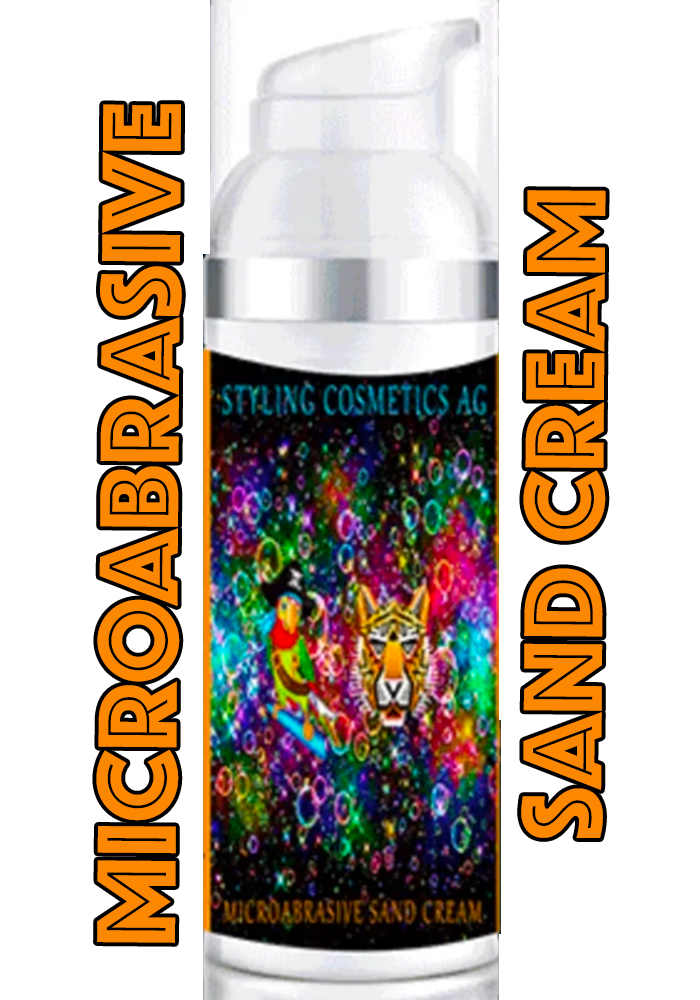
    Microabrasive Sand Cream

    Buy It


    Functional Classification & Clinical Positioning

    • Functional Classification

    • Primary Clinical Function

    • Clinical Approach

    Specific Indications

    Primary BodyPeel application providing immediate deep mechanical exfoliation for smoother texture and enhanced topical performance, with controlled facial refinement when indicated.

    All phototypes All seasons Dry application Visible roll-off
    Best Areas
    • Body (Primary BodyPeel Use): rough, dull, “built-up” skin requiring deep mechanical smoothing
    • Hands: thickened surface / dryness
    • Feet & heels: intensive smoothing before care
    • Face (Targeted Use): controlled microabrasive refinement for closed comedones and texture irregularities (gentle pressure)
    Ideal Situations
    • Residual dead cells after showering
    • Before moisturizers & sunscreens
    • Before rapid tanning protocols
    • Manicure & pedicure preparation
    • Manual alternative to devices
    Clinical Demonstration

    Microabrasive Refinement in a Real Acne Case

    See how Microabrasive Sand Cream was introduced as a refinement step to treat residual temporal closed comedones after peel-off and adjunctive Lipoic Acid support, with immediate documentation and a 24-hour follow-up.
    30 Min Peel Off • Lipoic Acid • Microabrasive Refinement

    Clinical Highlights

    • Dry-use microabrasion: massage until dead cells visibly roll off, then rinse.
    • Immediate smoothing (body, hands, feet) with a “deep scrub” effect.
    • Year-round: suitable for all phototypes, all seasons.
    • Protocol booster: optimizes the feel and performance of moisturizers and sunscreens after shower.
    • Professional-ready: excellent prep step for manicure & pedicure routines.

    What it is

    • A microabrasive “sand cream” for deep, immediate surface smoothing.
    • Designed for dry application with circular massage.
    • A practical step to refine texture before moisturizers, sunscreens, and protocols.
    • Body-first (hands/feet especially); face only occasionally, with gentle pressure.

    What it is not

    • Not a chemical peel; no timed acid action is required for the primary effect.
    • Not a device-based microdermabrasion procedure.
    • Not intended for inflamed, broken, or actively irritated skin areas.
    • Not a “daily aggressive scrub” — adjust pressure and frequency to tolerance.

    Clinical Parameters

    • Formulation Type

    • Topographic Categories

    • Phototypes

    • Downtime

    • Desquamation Profile

    Key Active Ingredients

    Selected key actives highlighted for their functional cosmetic role in comfort, brightness and surface refinement.

    Glycolic Acid
    Supports refined surface texture and cosmetic radiance.
    Potassium Azelaoyl Diglycinate
    Helps improve overall clarity and skin comfort.
    Sodium Ascorbyl Phosphate
    Vitamin C derivative supporting antioxidant-oriented cosmetic care.
    Alpha-Arbutin
    Supports brighter and more even-looking skin tone.
    Kojic Acid
    Helps support a clearer cosmetic appearance.
    Retinyl Palmitate
    A stabilized ester form of Vitamin A. Acts as a precursor within the retinoid metabolic pathway, supporting smoother-looking skin and long-term cosmetic maintenance with improved tolerance.
    Full INCI List
    The complete ingredient list is available on the official product label and packaging. This section highlights only the primary functional actives.

    Scientific Note — The Retinoid Pathway

    Retinyl palmitate is a stabilized ester form of vitamin A. Within the physiological retinoid cascade, it must first undergo enzymatic hydrolysis to retinol, followed by sequential oxidation steps toward retinal and ultimately retinoic acid.

    The efficiency of this conversion depends on individual cutaneous enzymatic activity. As a result, the biological impact of retinyl esters may be more modulatory and less predictable compared to directly applied retinoic acid.

    However, esterified forms provide enhanced molecular stability and improved cosmetic tolerability, supporting controlled long-term maintenance strategies.

    Retinyl Ester → Retinol → Retinal → Retinoic Acid

    Why Microabrasive Sand Cream Is Irreplaceable in Long-Term Maintenance Protocols

    Why it matters in long-term maintenance

    • Immediate deep smoothing without devices: a controlled, manual resurfacing step.
    • Post-shower “finish”: helps remove residual dead cells that can persist after cleansing.
    • Protocol optimization: improves skin feel and supports even application of moisturizers and sunscreens.
    • Professional routines: a clean prep step for manicure & pedicure protocols.
    • Device avoidance: ideal when you prefer to avoid device-based microdermabrasion.

    Note: device-based abrasive procedures can sometimes leave persistent foreign-body pigment deposition that may mimic discoloration. This manual approach offers a practical alternative with adjustable pressure and area control.

    Specific Benefits

    Clinical & functional benefits

    • Immediate smoothing of rough areas (body/hands/feet).
    • Deep “roll-off” exfoliation with dry circular massage.
    • Improves comfort and softness quickly.
    • Enhances cosmetic finish before moisturizers and sunscreens.

    Practical positioning

    • Year-round, all phototypes.
    • Ideal pre-step before rapid tanning protocols.
    • Excellent for manicure/pedicure prep routines.
    • Adjustable intensity (pressure, time, frequency).

    Combinations with Other Products

    • Before – Skin Preparation

    • After – Post-Procedure / Maintenance

    • Alternate – Synergy & Comfort Modulation

    Usage Context

    Best results are obtained on dry skin with controlled circular massage until visible roll-off appears.

    Step-by-step (Best Technique)

    1
    Apply to dry body, hands or feet (ideal for rough areas and heels).
    2
    Massage in circular movements until dead cells visibly roll off.
    3
    Rinse or shower, then continue with moisturizer, sunscreen, or protocol.

    Practical Notes

    • Body-first: hands and feet are ideal target areas.
    • Face use is optional and occasional (gentle pressure only).
    • Adjust intensity by pressure, time, and frequency.
    • Avoid inflamed, broken, irritated or infected skin.
    • Suitable all seasons; for sun exposure, finish with sunscreen.
    Post-Shower “Finish”
    Ideal when residual dead cells remain after showering — improves smoothness and uniform application of moisturizers and sunscreens.

    Frequently Asked Questions

    Click on a question to reveal the answer.

    ▶ How should it be applied?
    Apply on dry skin, massage in circular movements until visible roll-off appears, then rinse or shower.
    ▶ Can it replace microdermabrasion devices?
    It provides a controlled manual alternative for surface exfoliation when a device-based approach is not desired.

    Buy Microabrasive Sand Cream

    Proceed to purchase

    swiss-made top-quality

    Lire la suite

    tca8
    • Intro Text: TCA 8% w/w is a professionally formulated very low-strength superficial chemical peel designed for extremely gentle, controlled epidermal exfoliation and gradual skin surface refinement. Its concentration allows a highly predictable and well-tolerated superficial response under professional protocols, making it suitable for progressive introductory peeling approaches.
    • Recommended Phototypes: I, II, III, IV, V, VI
    • Formulation Type: Liquid acids, Gel formulation
    • Topographic Categories: Face , Body , Neck, Décolleté, Periocular, Hands
    • Functional Classification: Superficial Clinical Approach
    • Clinical Approach: Superficial clinical approach based on very low-concentration trichloroacetic acid–induced protein coagulation, producing a minimal and predictable epidermal response under professional protocols, without intended dermal involvement.
    • Primary Clinical Function: Extremely gentle controlled superficial epidermal exfoliation for gradual skin surface refinement.
    • Downtime: None
    • Desquamation Profile: No desquamation, Soft desquamation
    TCA8

    TCA 8% w/w Liquid or Gel

    • TCA exfoliates the skin and promotes cell regeneration.
    • Used for skins`rejuvenation as skincare.

    Clinical Overview

    TCA 8% w/w is a non-exfoliating solution intended for skin preparation and mild epidermal stimulation. It does not produce visible desquamation or frosting and is not to be confused with active peeling agents.

    Application Guidelines

    • Cleanse and degrease the skin thoroughly
    • Apply 1–2 even passes using gauze or a cotton-tipped applicator
    • No frosting will occur—this is expected and normal
    • No occlusion or aftercare needed beyond basic skin protection

    Post-Procedure Care

    • No downtime
    • No active exfoliation, peeling, or visible flaking expected


    Specific Indications

    • Treatment of Acne Scars
    • Treatment of Wrinkles
    • Treatment of Pigmentation Issues
    • Priming before deeper peels or Endopeel protocols
    • Mild metabolic stimulation
    • Pre-conditioning the skin for regenerative treatments

    Desquamation

    no-desquamation

    For which phototypes can it be applied ? 

    Buy It

    top-quality swiss-made

    Professional Considerations

    • TCA 8% is best described as a metabolic activator
    • Safe on all skin phototypes when used appropriately
    • No keratolytic action—this is not a classic “peel”
    • Best used by experienced practitioners who understand regional skin variation

    Mechanism of Action

    TCA at 8% acts via light protein denaturation in the superficial epidermis. No epidermolysis, keratolysis, or visible peeling occurs. The solution supports metabolic turnover without causing trauma.

    Lire la suite

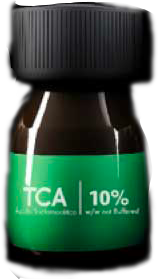
    tca10
    • Intro Text: TCA 10% w/w is a professionally formulated low-strength superficial chemical peel designed for very gentle, controlled epidermal exfoliation and progressive skin surface refinement. Its concentration allows a mild and highly predictable superficial response under professional protocols, making it suitable for gradual and well-tolerated skin renewal approaches.
    • Recommended Phototypes: I, II, III, IV, V, VI
    • Formulation Type: Liquid acids, Gel formulation
    • Topographic Categories: Face , Body , Neck, Décolleté, Periocular, Hands
    • Functional Classification: Superficial Clinical Approach
    • Clinical Approach: Superficial clinical approach based on low-concentration trichloroacetic acid–induced protein coagulation, producing a very mild and predictable epidermal response under professional protocols, without intended dermal involvement.
    • Primary Clinical Function: Very gentle controlled superficial epidermal exfoliation for progressive skin surface refinement.
    • Downtime: None
    • Desquamation Profile: No desquamation, Soft desquamation
    TCA10

    TCA 10% w/w Liquid or Gel

    • TCA exfoliates the skin and promotes cell regeneration.
    • Used for skins`rejuvenation as skincare.

    Specific Indications

    • Treatment of Acne Scars
    • Treatment of Wrinkles
    • Treatment of Pigmentation Issues

    Desquamation

    no-desquamation

    For which phototypes can it be applied

    all-phototypes

    Buy It

    top-quality swiss-made

    Lire la suite

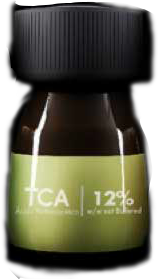
    • Intro Text: TCA 12% w/w is a professionally formulated superficial chemical peel designed for gentle, controlled epidermal exfoliation and progressive skin surface refinement.
    • Recommended Phototypes: I, II, III, IV, V
    • Formulation Type: Liquid acids, Gel formulation
    • Topographic Categories: Face , Body , Neck, Décolleté, Periocular, Hands
    • Functional Classification: Superficial Clinical Approach, Advanced Clinical Approach
    • Clinical Approach: Superficial clinical approach based on low-concentration trichloroacetic acid–induced protein coagulation, producing a mild and predictable epidermal response under professional protocols, without intended dermal involvement.
    • Primary Clinical Function: Gentle controlled superficial epidermal exfoliation for gradual skin surface renewal.
    • Downtime: None to minimal
    • Desquamation Profile: Soft desquamation
    TCA12

    TCA 12% w/w Liquid or Gel

    • TCA exfoliates the skin and promotes cell regeneration.
    • Used for skins`rejuvenation as skincare.

    Specific Indications

    • Treatment of Acne Scars
    • Treatment of Wrinkles
    • Treatment of Pigmentation Issues

    Desquamation

    soft-desquamation

    For which phototypes can it be applied

    all-phototypes

    Buy It

    top-quality swiss-made

    Lire la suite

    Superficial Peels

    Superficial peels are non-invasive chemical exfoliation procedures designed to act on the most superficial layers of the epidermis.
    They are primarily used to improve skin texture, brightness, and uniformity, while supporting epidermal renewal without significant downtime.

    These peels are typically indicated for:

    • dull or uneven complexion

    • mild dyschromia and superficial hyperpigmentation

    • early signs of photoaging

    • preparation or maintenance within broader aesthetic protocols

    When properly formulated and applied, superficial peels allow progressive, controlled skin stimulation, making them suitable for repeated treatments, combination protocols, and routine clinical practice.

    Important: “Superficial” and “advanced” are functional categories. Actual depth is anatomy-dependent (e.g., eyelids vs nasal tip) and protocol-dependent. Read why depth-only labels can be misleading.

    Lire la suite

    Share this website on your social medias
    cream2-eye-contour
    pdl-plus
    cream-felins
    cream-gradient
    cream2-microabrasive
    cream-ormes-des-sioux
    cream-papaya
    cream-postpeel
    cream-prepeel
    cream-rose-du-desert
    cream-stretchpeel
    cream-peel-superstar
    cream2-kosmopeel
    cream2-lipoic-acid
    cream2-eye-contour
    pdl-plus
    cream-felins
    cream-gradient
    cream2-microabrasive
    cream-ormes-des-sioux
    cream-papaya
    cream-postpeel
    cream-prepeel
    cream-rose-du-desert
    cream-stretchpeel
    cream-peel-superstar
    cream2-kosmopeel
    cream2-lipoic-acid